Leveraging locally made forest products supports local jobs, efficient builds, and community resilience
Forestry is more than just an industry; it is the lifeblood of some 300 Canadian communities. The forests that blanket our vast country are not only a source of natural beauty and recreation, but also the foundation for local jobs, economic growth, and efficient development. Every dollar spent on wood procurement is a direct investment in our neighbours, small businesses, and Canadian prosperity.
In the face of trade and market headwinds, some forest-dependent communities across the country are experiencing a worrying trend: the hollowing out of their economic base. Recent trade and market impacts on forestry have reduced production or closed mills, eliminated jobs, and reduced municipal revenues.
With new challenges bring new opportunity – to take action on what we control. To streamline regulations to make our industries more competitive, diversify export markets, and do more here at home with Canadian grown and made products.
Municipalities across the country can be part of the solution to help improve prospects for the forestry sector and its employees. Municipalities have the power to choose Canadian wood and wood fibre-based products in local projects.
Forestry Procurement: A Local Economic Engine
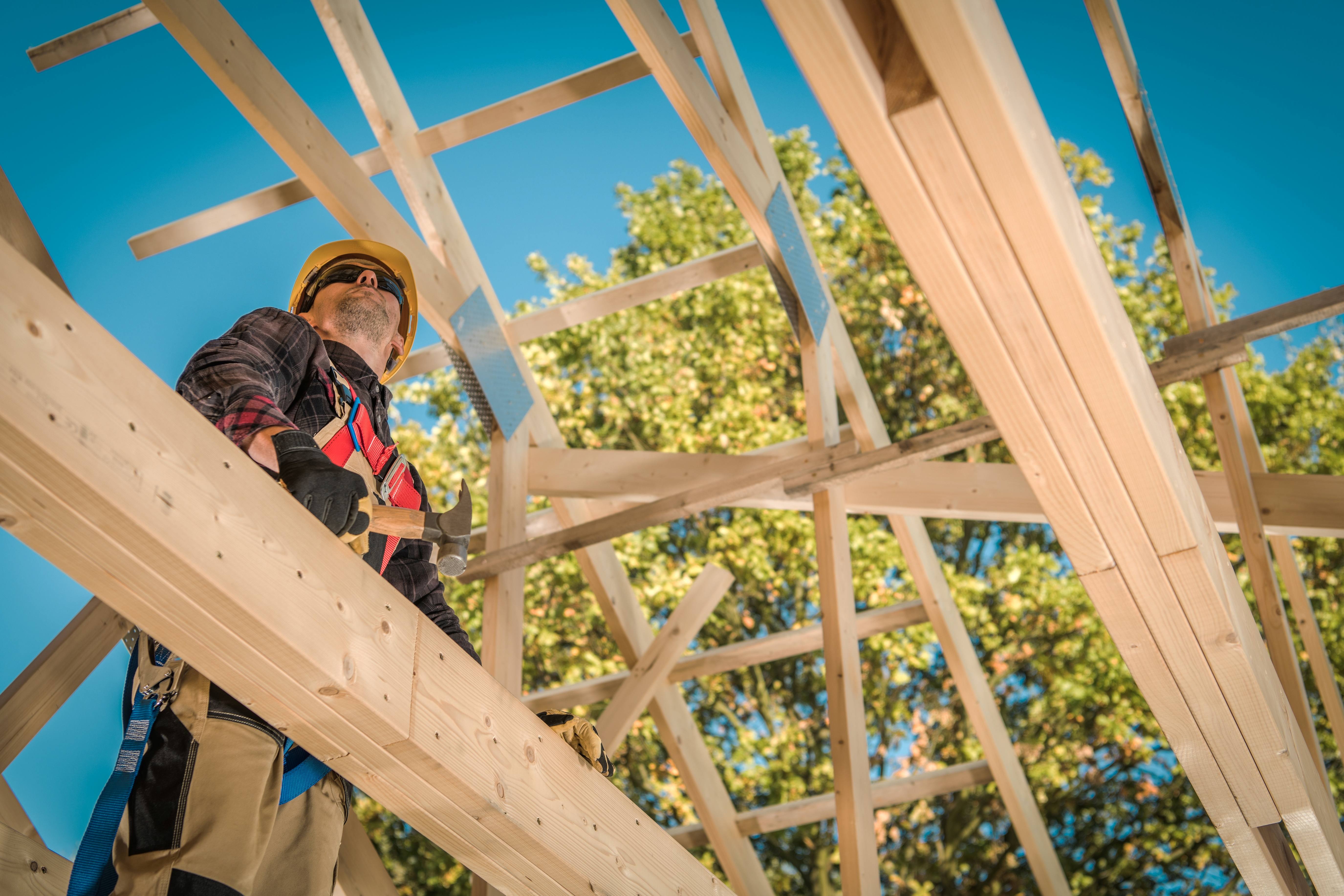
When municipalities choose to source Canadian wood for their public projects—be it community centres, libraries, bridges, or affordable housing developments —they generate a ripple effect that strengthens the economy at every level. Local procurement means local jobs: loggers, truck drivers, mill operators, carpenters, builders, engineers, and professionals across the supply chain all benefit. These are jobs that cannot be outsourced, and the wages earned are spent in local shops, restaurants, and services, multiplying the impact throughout the region.
Moreover, supporting anchor businesses in the forestry sector helps stabilize entire communities. Mills and wood manufacturing plants are often large employers in smaller towns, sustaining not just those directly employed, but also secondary businesses and public services. Many forest-reliant families also have a teacher, medical professional or small business owner who plays a critical role in the community, and that isn’t easily replaced when that family needs to seek work elsewhere. Job losses become community losses. A strong forestry sector means a stronger and more resilient community.
Building Smarter: Mass Timber and Modern Methods of Construction
As municipalities look to build more sustainably and efficiently, wood offers distinct advantages. Modern methods of construction (MMC), such as the use of mass timber, allow us to build larger, smarter, and greener than ever before. Mass timber technologies enable rapid, safe construction, reduced carbon footprints, and beautiful, durable buildings that reflect Canada’s natural heritage.
However, to fully embrace MMC, municipalities need the ability to choose wood for a range of infrastructure types. This means updating building codes to welcome advanced timber solutions, educating municipal staff and contractors about the benefits and best practices, securing funding and insurance options tailored to wood construction, and piloting innovative projects. Each of these steps helps lower barriers and builds confidence in wood as a material of choice for the 21st century.
The community of Prince George, BC embraced the opportunity in building the Wood Innovation & Design Centre, a prominent feature in the downtown core. The construction of this building created 250 local jobs beyond the forestry sector, and these sustainably sourced materials capture over 1000 metric tons of carbon in the wood.
The Demand Dilemma and the Power of Public Procurement
To improve its competitive position on the global stage, the federal government needs to work with provincial governments to streamline costly and sometimes conflicting regulations on the forested land base. That is job one as we work to stabilize the sector and improve investment confidence in Canada. And this can be done in a way that upholds Canada’s commitment to high environmental standards and sustainable forest management.
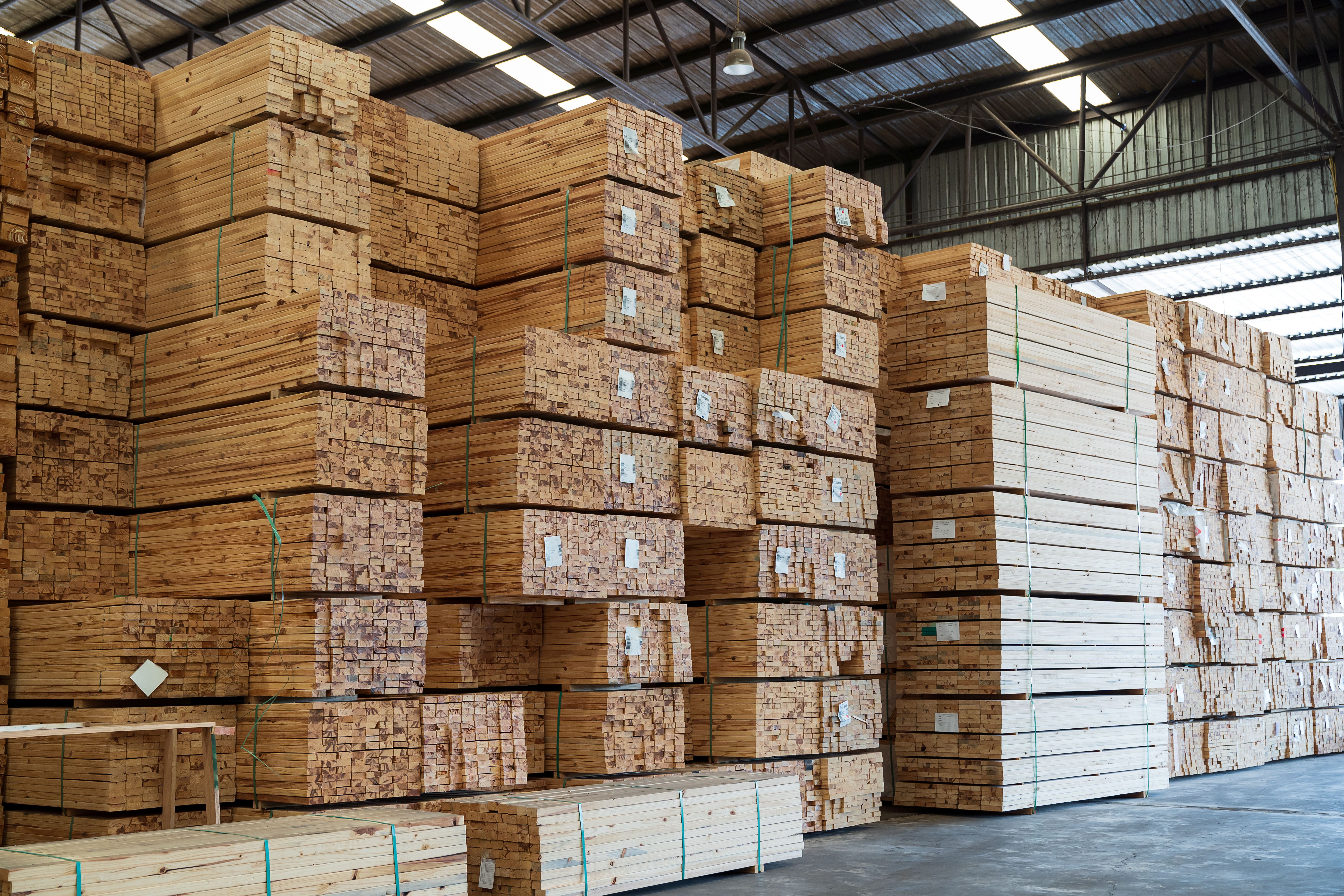
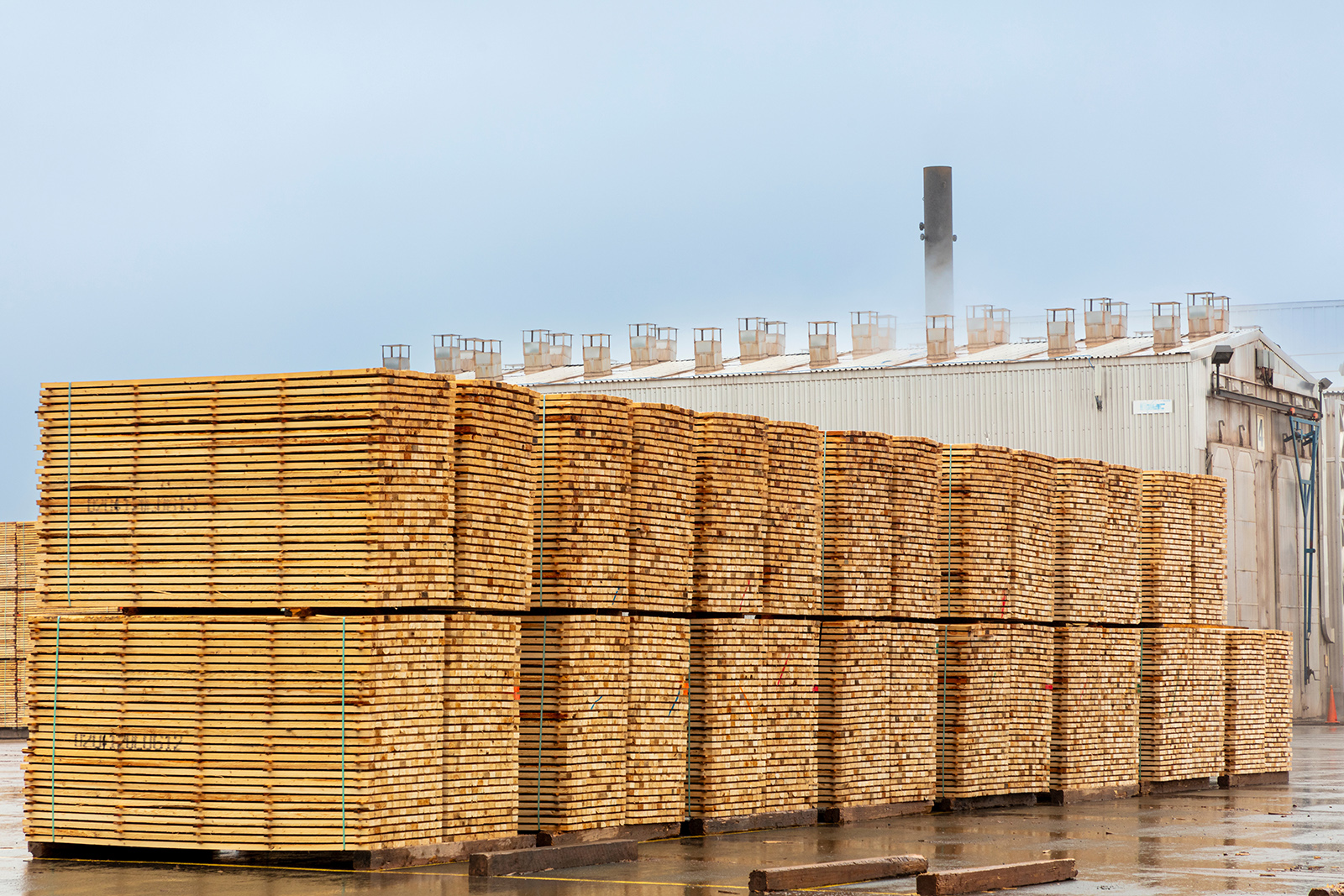
On the demand side, we simply need to find ways to use more wood here at home and bring more wood products to other parts of the world. Our mills, manufacturing facilities, and employees have the capacity and expertise, but without steady, reliable demand, they struggle to justify investments or maintain staffing levels. This is where government procurement can be transformative.
When municipalities commit to sourcing wood for their projects, they create a stable pipeline of demand that enables local manufacturers to plan, invest, and expand. Public procurement signals to the market that wood is not only accepted, but preferred, for civic infrastructure. It gives confidence to business owners and the skilled trades, knowing there is a consistent outlet for their products and skills.
In Sudbury, Ontario, the builders of Cambrian Heights commercial and industrial building found mass timber was a readily available source that made costs more controllable and the structure more environmentally sound. Throughout Quebec, mass timber is being used in the construction of critical community centres, including the Aanischaaukamikw (the Cree Cultural Institute) in Oujé-Bougoumou, the Meredith Centre Arena in Chelsea and the Saint-Michel Environmental Complex Soccer Stadium in Montréal. In Alberta, the Winsport Arena (pictured) in Edmonton and the Remington YMCA in Calgary are further examples of mass timber structures as community pillars.
Connecting local supply with municipal demand is the missing link. Governments at all levels can bridge this gap through thoughtful procurement policies, streamlined project approvals that favour wood construction, and “wood first” strategies that prioritize Canadian timber in public works. These policies not only support rural economies, but also align with national goals on sustainability, climate action, and housing affordability.
Municipal Leaders Can Lead a Rural Renaissance
Municipalities have a unique opportunity—and responsibility—to lead a rural renaissance. By using this power to champion local wood procurement, they can create jobs, support anchor businesses, encourage sustainable construction, and breathe new life into communities at risk of decline. The tools are at their disposal: policy, procurement, education, and innovation.
Municipal leaders must recognize the power of forestry not just as an industry, but as a catalyst for economic renewal and community well-being. By building with wood and sourcing locally, we can ensure that rural Canada remains vibrant, resilient, and proud—one project at a time.
Learn more
Photo credit: Winsport Arena, photo from Western Archrib website