

While 2025 was one of the most challenging years in recent memory, Canada’s forest sector enters the new year well-positioned to help Canada grow a more resilient, future-ready economy by building more affordable homes and infrastructure with Canadian wood, diversifying export markets, protecting important jobs in rural and northern Canada, and reducing catastrophic wildfire risks.
In Canada, forestry is jobs - in 300 forest-reliant communities from coast-to-coast. Over 200,000 full-time, family-supporting jobs, with another 200,000 Canadians relying on a strong industry for their spin-off jobs in transportation, maintenance, and manufacturing.
FPAC and its members and partners have done some incredible work this year, in the face of significant market and trade headwinds, to support employees and forest-dependent communities.
Recent improvements to federal procurement guidelines to use more Canadian wood in federal projects, the establishment of Build Canada Homes to build more affordable housing units with wood products made right here in Canada, and the introduction of Investment Tax Credits in Budget 2025 to incentivize the use of biomass for heat and electricity generation are all important measures to create opportunity for our sector and its people for the long-term.
I invite you to go through FPAC’s 2025 Annual Report to Members to review in detail the work we were proud to undertake on behalf of the families, businesses, and forest-dependent communities that rely on us.
In closing, I want to thank the FPAC team, members and volunteers, our national and provincial forest sector association partners, and the Indigenous, labour, environmental, and community leaders across Canada who have stood with us in advocating for policies and programs that respond to the most pressing needs facing Canada’s forest sector businesses and employees.
More than ever, we need to continue to be united. FPAC’s 2025 Conference was a powerful reminder of the important role FPAC plays in bringing value chain partners from across the country together under the same big tent.
Your support is important to our success, and I look forward to our work together in 2026.
Sincerely,
David Graham
Chair of the FPAC Board of Directors

The stability of hundreds of rural and northern Canadian communities depends on a strong forest sector and unfortunately 2025 was much about instability and uncertainty.
Canada’s forest sector operates in a highly integrated, trade-exposed, and heavily regulated environment. Pressure applied in one area is quick to ripple across others. 2025 brought these challenges to the fore in a way that we have never seen before.
The escalation of U.S. duties and tariffs on lumber, upholstered wood furniture, and kitchen cabinetry exports to the United States has hit the Canadian forest value chain hard. And while securing a more predictable trade arrangement with the United States continues to be the top priority, the reality and gravity of the situation has made Canada look inward to control the controllable and outward for further product and market development.
On controlling the controllable, our team focused this year on efforts with the federal government and labour, Indigenous, and community partners to safeguard mills and their employees, protect displaced employees, accelerate home building and innovation plans, improve federal government procurement guidelines to include more Canadian wood use, and promote export market diversification.
You will see many of these details in this report to members and this reflects much of the core work that will continue for us in 2026.
And, as the Carney government gets focused on building projects to strengthen our economy for the future, FPAC’s top priority heading into the new year will be fixing our complex and costly regulatory system. The policy incoherence between federal and provincial governments and federal overreach into provincial jurisdiction is holding back Canada’s ability to compete globally and to attract forestry investment into Canada. That’s unacceptable to forest sector employees and the communities they call home.
The moment is now to fix this for the long-term in a way that protects the environment and grows our economy and opportunity in Canada’s forest-dependent communities.
The team at FPAC is the best I’ve ever worked with. I see every day the pride and dedication they have in their work in service to Canada’s forest sector and its employees and their families. It is the needs of these families that will continue to drive our efforts and our commitment to delivering lasting results.
Sincerely,
Derek Nighbor
FPAC President and CEO
%2C_Vancouver_Centerm_Terminal_--_2022_--_2151.jpg)
In 2025, Canada’s forest products sector navigated a rapidly evolving global landscape marked by heightened trade tensions, shifting market dynamics, and new opportunities for growth.
Mitigating Trade Risk
The imposition of additional U.S. duties and tariffs on Canadian lumber and wood products underscored the sector’s vulnerability to external shocks, while also highlighting the importance of coordinated advocacy and strategic government engagement.
To supplement its direct advocacy, FPAC remains active in several fora focused on cross-border trade, including the Canadian American Business Council, the Canada-US Trade Council (CUSTC), and the Canadian Chamber of Commerce’s International Affairs and Trade Committee.
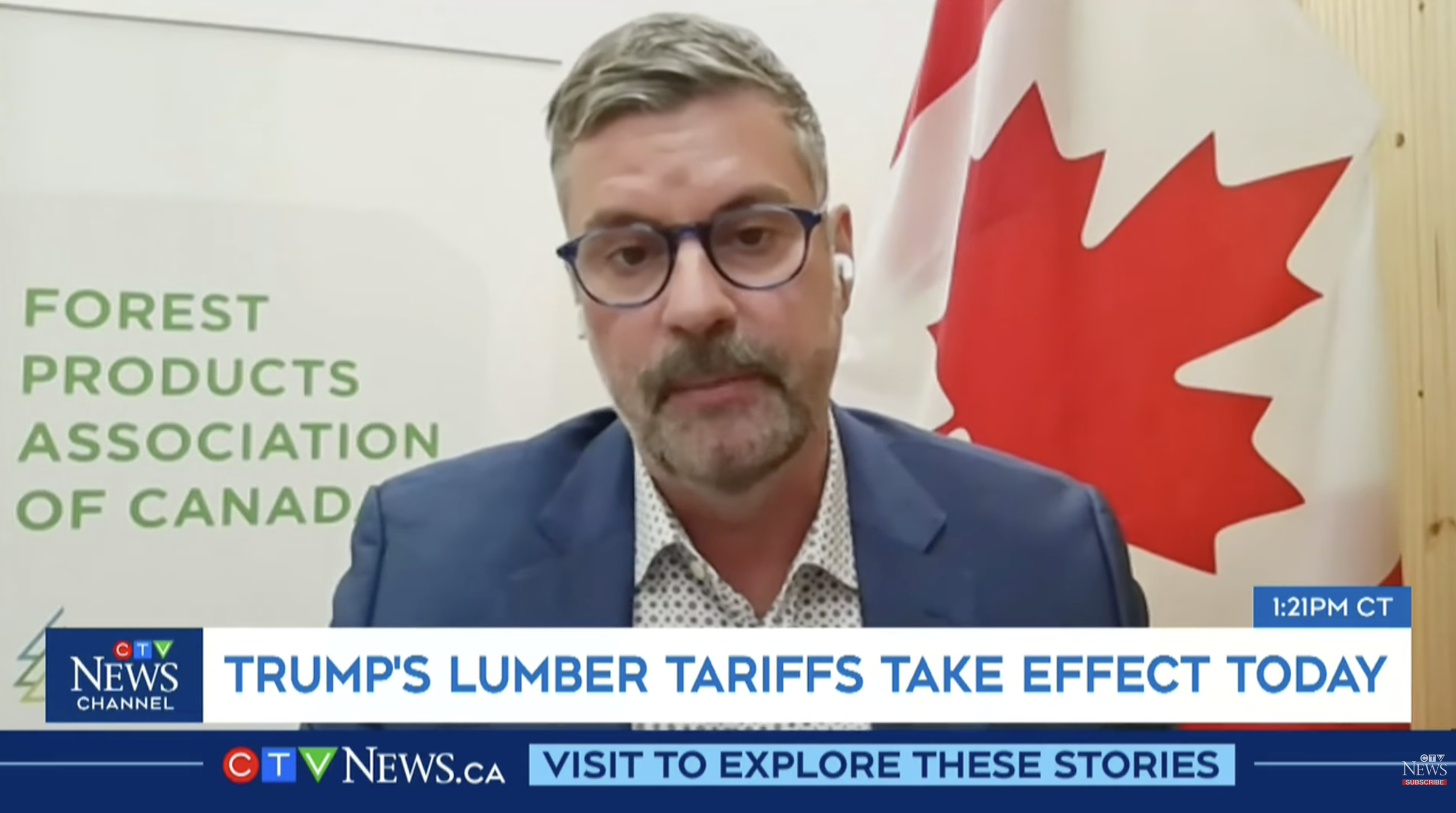
FPAC connected with Ottawa policy makers at all levels and from all parties through meetings, committee appearances, briefing materials, reports, news releases and continued engagement to ensure all understand the gravity of the tariffs on our sector. FPAC has also participated in significant national and regional media interviews throughout the year to ensure the Canadian public understands the broad impact of tariffs on our sector.
FPAC played a key role in shaping Canada’s response, a significant $1.25 billion federal support package for the industry and employees, including measures to support industry transformation and export market diversification, while continuing to advocate for the federal government to achieve a negotiated deal with the United States that works on both sides of the border.
Appearance Before Parliamentary Committees
FPAC Leadership also appeared before three Parliamentary Committees, delivering a unified message: Canada’s forest sector is vital to the economy yet under severe pressure from U.S. tariffs and labour shortages.
At the Standing Committee on Natural Resources (RNNR), FPAC President and CEO Derek Nighbor called for faster rollout of the federal support package and a Team Canada approach to secure jobs and competitiveness. At the Standing Committee on International Trade (CIIT), FPAC Vice-President Eric Johnson urged a durable softwood lumber deal within CUSMA and stronger trade remedy protections. At the Standing Committee on Human Resources, Skills and Social Development and the Status of Persons with Disabilities (HUMA), FPAC President Derek Nighbor focused on the status of youth employment in Canada’s forest sector, calling for urgent resolutions to trade disputes that threaten youth employment opportunities, stable youth employment funding, and regional training access.
Together, their testimony underscored FPAC’s priorities: trade resolution, workforce renewal, and domestic market growth to sustain 200,000 direct jobs across over 300 forest-dependent communities.

EUDR Advocacy & Canadian Sector Support
The EU Deforestation-free Regulation (EUDR) continued to be a top priority for the sector. FPAC supports the intent to address global deforestation; however, there remain challenges associated with the implementation of EUDR. To address these outstanding concerns, FPAC submitted recommendations to the EU Commission, Council, and Parliament, advocating for simplified traceability requirements and a 12-month delay for all operators and traders.
Through proactive engagement with policymakers, industry partners, and international stakeholders, FPAC continues to work to ensure Canadian forest products remain a trusted choice worldwide —supporting jobs and communities. FPAC also issued statements, both independently and jointly with international partners to ensure Canada’s concerns and solutions were communicated to the EU decision makers.
In June, FPAC President and CEO Derek Nighbor participated in the Canada-Europe Economic Chamber’s event in Brussels, Strengthening Ties and Shared Values: Perspectives from the Canadian and European Forest Products Sectors to discuss priorities and opportunities in the respective markets in the face of growing geo-political and trade challenges.
In November and December of 2025, the EU Council and Parliament agreed to revisions that include a 12-month delay and a commitment to a simplification review. FPAC continues to work with the Canadian government and global partners to ensure Canadian perspectives are considered during the upcoming EUDR review. Ongoing collaboration with European and North American industry associations will continue as FPAC coordinates with its members to support advocacy and compliance efforts.
Seeking New Markets
In November, FPAC’s Vice-President, Federal Government Relations Eric Johnson, in partnership with Canada Wood and the Governments of Canada, Alberta, and British Columbia, traveled to South Korea and Japan to present Canada’s position as a preferred supplier of sustainable wood products and its commitment to helping both countries achieve their housing, environmental, and economic goals.
In South Korea, FPAC’s presentations highlighted how wood-frame construction has grown to account for more than 17% of new builds and emphasized Canada’s role in supporting regulatory reforms, technical training, and strategic partnerships to unlock new opportunities in multi-family housing, hybrid construction, and modular building systems tailored to South Korea’s evolving needs.
In Japan, FPAC addressed the robust demand for high-quality wood construction highlighting Canada’s expertise in fireproof technologies, energy efficiency, and advanced building solutions, aligning with Japan’s priorities for modernization and sustainability. FPAC advocated for deeper collaboration, ongoing R&D, and targeted market development in midrise, hotel, and non-residential segments.
.jpg)
Driving Dialogue On Competitiveness & Trade
In October, FPAC convened three strategic roundtables to advance sector priorities and strengthen engagement with federal policymakers and Indigenous leaders.
The first, with Innovation, Science and Economic Development Canada (ISED), focused on new federal programs—the $5 billion Strategic Response Fund and the Regional Tariff Response Initiative, designed to support innovation and help organizations navigate trade challenges. FPAC members provided input on program accessibility and investment readiness, emphasizing the sector’s role in Canada’s low-carbon economy.
The second roundtable brought senior FPAC leaders together with Industry Minister Melanie Joly for direct dialogue on competitiveness, trade engagement with the United States, and the need for an effective federal response. The discussion centered on market access, investment confidence, fair trade, and ongoing collaboration between government and industry. FPAC highlighted sector priorities and advocated measures that support long-term growth and resilience.
The third roundtable, co-hosted by FPAC and Mokwateh, brought Indigenous leaders and industry together to advance economic reconciliation in forestry. Discussions focused on integrating Indigenous perspectives in national policy, overcoming barriers to biomass development, improving access to capital, and expanding market opportunities. Participants called for ongoing dialogue to shape future sessions and policy reforms. FPAC and Mokwateh committed to supporting targeted follow-up sessions on innovation, policy, advocacy, and global markets.
FPAC’s Canada’s Forest Economy report released in early spring showcases the forest sector’s vast national impact, spanning 19 leading companies and roughly 30,000 vendors across 1,595 municipalities, from urban centres to rural and Indigenous communities. In 2022, the sector generated CA$14.9 billion in supply chain expenditures—a 9.5 % compound annual growth since 2020, while Indigenous affiliated vendors contributed nearly CA$500 million in goods and services, a 35.8 % increase over two years.
The sector also invested about CA$39.2 million in community projects between 2020 and 2022, benefiting over 2,000 organizations in 380 communities through initiatives in health, education, public amenities, and Indigenous-led projects. The report underscores that the forest sector is not only a major economic engine, sustaining thousands of jobs and driving supply-chain activity, but also a key contributor to community well-being and inclusive growth from coast to coast.
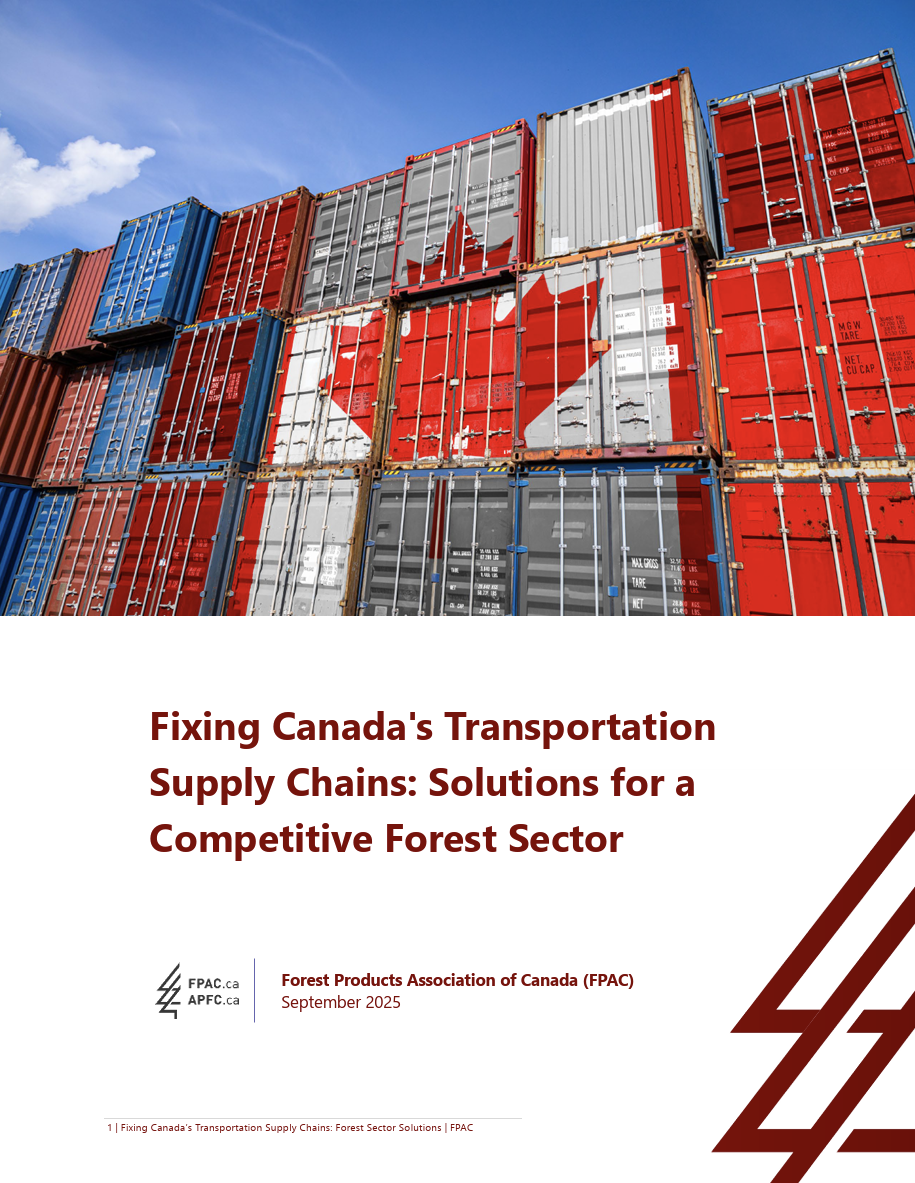
FPAC released its Fixing Canada’s Transportation Supply Chains: Solutions for a Competitive Forest Sector policy brief, addressing the urgent need to strengthen Canada’s trade corridors and logistics systems. The forest sector relies on efficient trucking, rail, and marine networks to move products from remote mills to global markets, yet chronic bottlenecks, aging infrastructure, and recurring labour disruptions have undermined reliability and competitiveness.
Canada ranks last among G7 nations for logistics performance and limited rail competition (dominated by two carriers) drives up costs and restricts service options. Labour stoppages at ports and railways have disrupted supply chains in 14 of the past 15 years, costing manufacturers millions and risking permanent loss of customers.
FPAC’s called on the federal government to foster competition and accountability among carriers, accelerate investment in trade-enabling infrastructure, and reform labour relations frameworks to reduce disruptions. These actions are critical to safeguarding jobs, restoring Canada’s reputation as a dependable trading partner, and ensuring the forest sector remains globally competitive.

The forest sector is being stifled by a regulatory environment that has grown increasingly complex and duplicative. Unless we address this mounting red tape, Canada risks undermining both the competitiveness of our forest industry and our leadership in sustainable resource management.
The challenge is not a lack of regulation—indeed, Canadian forestry is governed by a robust suite of provincial and federal laws, developed over decades and buttressed by voluntary certification standards and the expertise of regulated professionals. Rather, the problem lies in overlapping and misaligned federal and provincial processes, which have proliferated in recent years. This unnecessary duplication delays projects, piles on costs, and ultimately erodes the sector’s ability to invest, innovate, and create jobs here at home.
To work through this maze, FPAC has outlined timely and specific opportunities for the federal government in partnership with the provinces and Indigenous governments, to streamline these processes without compromising Canada’s commitment to world-leading stewardship.
Forest Sector Action Plan
FPAC’s We Grow to Build Canada: A Forest Sector Action Plan was released in October, outlining what is needed from government to maximize the economic and civic benefits of forestry.
There is significant opportunity for Canada to strengthen its economy by enabling a more competitive, innovative, and investment-ready forest sector. Canada’s forest sector is one of the country’s biggest employers, yet mill closures, regulatory uncertainty, rising costs, and strained supply chains have weakened competitiveness and slowed the sector’s ability to meet growing domestic and global demand.
FPAC’s Action Plan calls on the federal government to modernize regulatory frameworks, improve permitting efficiency, strengthen trade-enabling infrastructure, and create conditions that attract new investment and support the broader use of Canadian-made wood in construction and housing.
Unlocking New Opportunities Through Biomass Investment Tax Credits
In 2025, FPAC successfully advanced key regulatory and policy outcomes for Canada’s forest sector. The expansion of the Clean Technology Investment Tax Credit in Budget 2025 to include biomass was a major win, with the potential to unlock billions in new investment and supporting clean energy and mill modernization across the country.
FPAC’s advocacy also contributed to streamlined permitting, new Buy Canadian procurement rules prioritizing domestic lumber, and enhanced support for Indigenous partnerships and workforce development that were included in Budget 2025. These measures, combined with targeted funding for market diversification, wildfire management, and youth employment, are helping to strengthen the sector’s competitiveness, reduce red tape, and position Canadian forestry as a leader in sustainable growth and climate solutions.
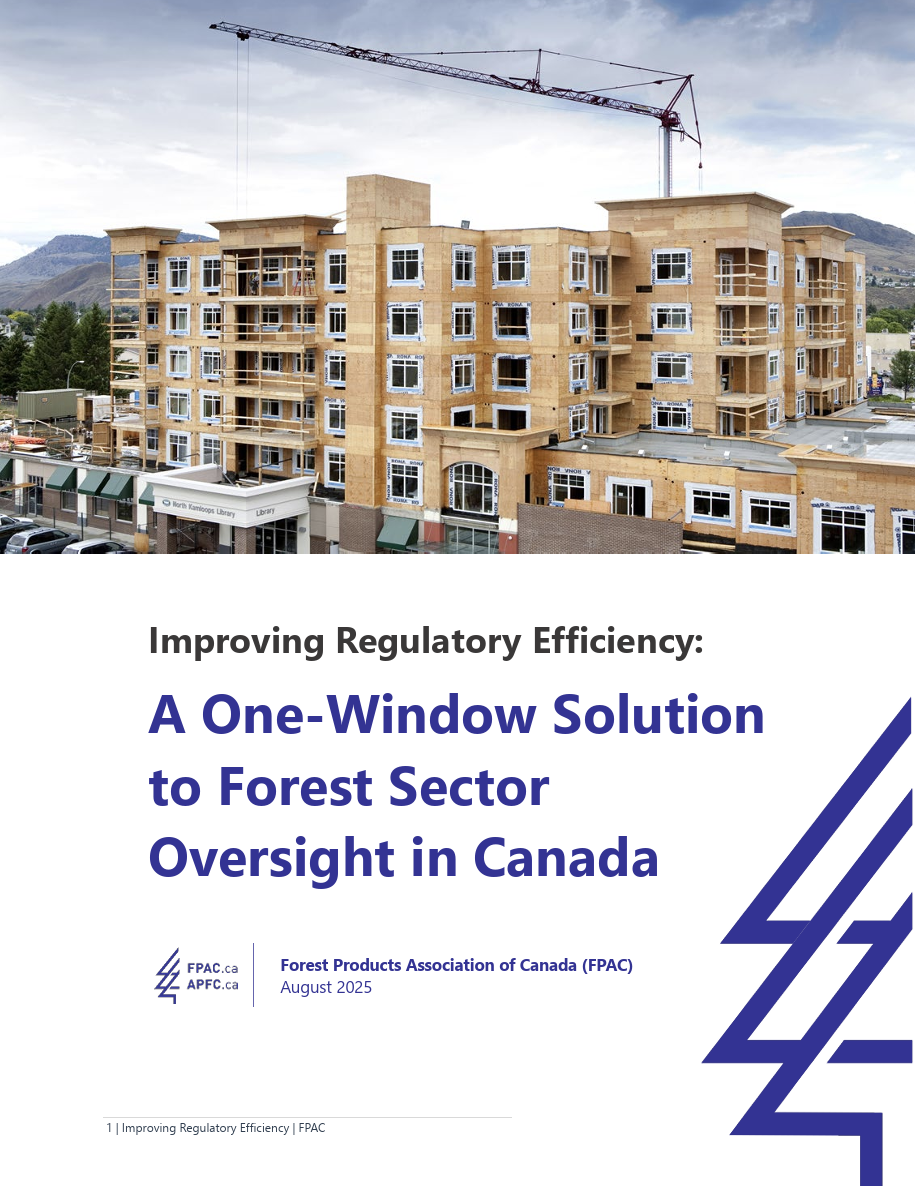
Improving Regulatory Efficiency: A One-Window Solution for Canada’s Forest Sector policy brief was released by FPAC outlining how streamlining Canada’s complex regulatory framework can unlock the sector’s full potential for economic growth, sustainability, and competitiveness.
The forest sector supports over 200,000 direct jobs and contributes $87 billion annually yet faces delays and uncertainty due to overlapping federal and provincial requirements, duplicative processes, and jurisdictional conflicts. These inefficiencies have contributed to mill closures and job losses, particularly in rural communities, and have a chilling effect on long-term investment.
The recommendations call on the federal government to establish a national one-window regulatory approach by formally recognizing provincial standards that meet or exceed federal requirements, recognizing low-risk activities through expanded Codes of Practice, and leveraging bilateral agreements to reduce duplication.
Targeted Investments For Forest Sector
Our ongoing collaboration with federal government has resulted in targeted support for Canada’s forest sector and wildfire resilience in Budget 2025. The measures included $1.2 billion in loan guarantees and tariff-related liquidity measures for softwood lumber companies, $500 million in product and market diversification measures, and Build Canadian initiatives to prioritize Canadian wood in housing and federal construction, including mass timber.
Workforce-related measures totaled more than $900 million, including reskilling and training initiatives delivered through Labour Market Development Agreements, Employment Insurance enhancements for long-tenured workers, and new sector-level Workforce Alliances.
Broader industrial adjustment measures included the creation of a $5 billion Strategic Response Fund and the expansion of the Regional Tariff Response Initiative to $1 billion. Additional measures focused on improving access to federal programs and advancing longer-term sector transformation, including the establishment of a forest sector single window portal to submit program applications and a time-limited transformation task force.
Natural Resources Canada has created a new, single-window pathfinding service including a new website with information on all programs available to forest sector businesses and direct access to Natural Resources Canada experts on eligibility and program applications. The single-window service is intended to make it easier for forest sector businesses and employees to navigate and apply to federal programs.

In the fall, the federal government launched the $13 billion ‘Build Canada Homes’ initiative to double national housing construction through modern building methods, prioritizing affordable and supportive housing and a Buy Canadian approach to support domestic wood products and other inputs.
The Build Canada Homes initiative will prioritize Canadian lumber in federal construction projects, supporting both the sector and affordable housing goals and ensure Canadian wood remains central to the country’s housing future.
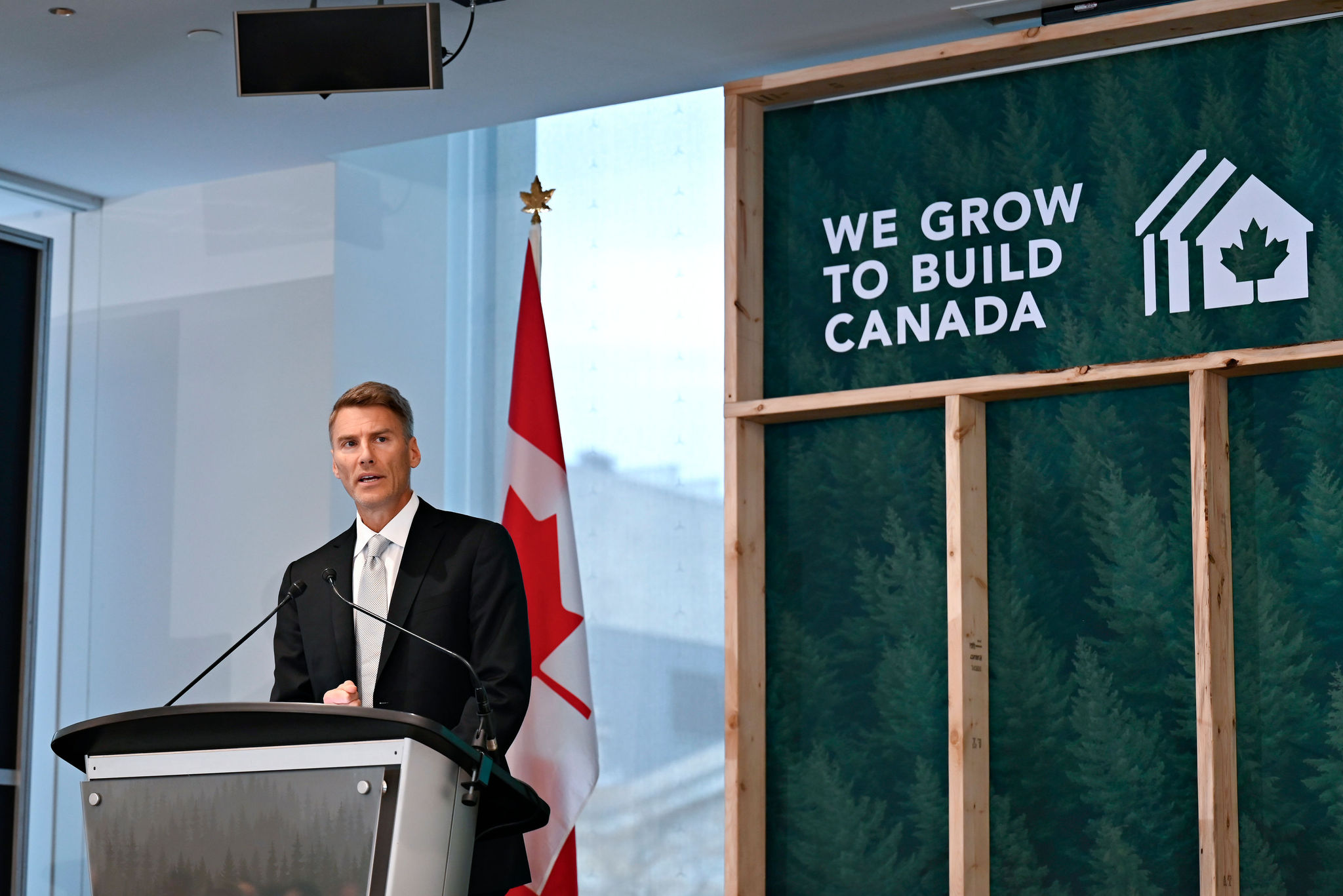
We Grow To Build Canada
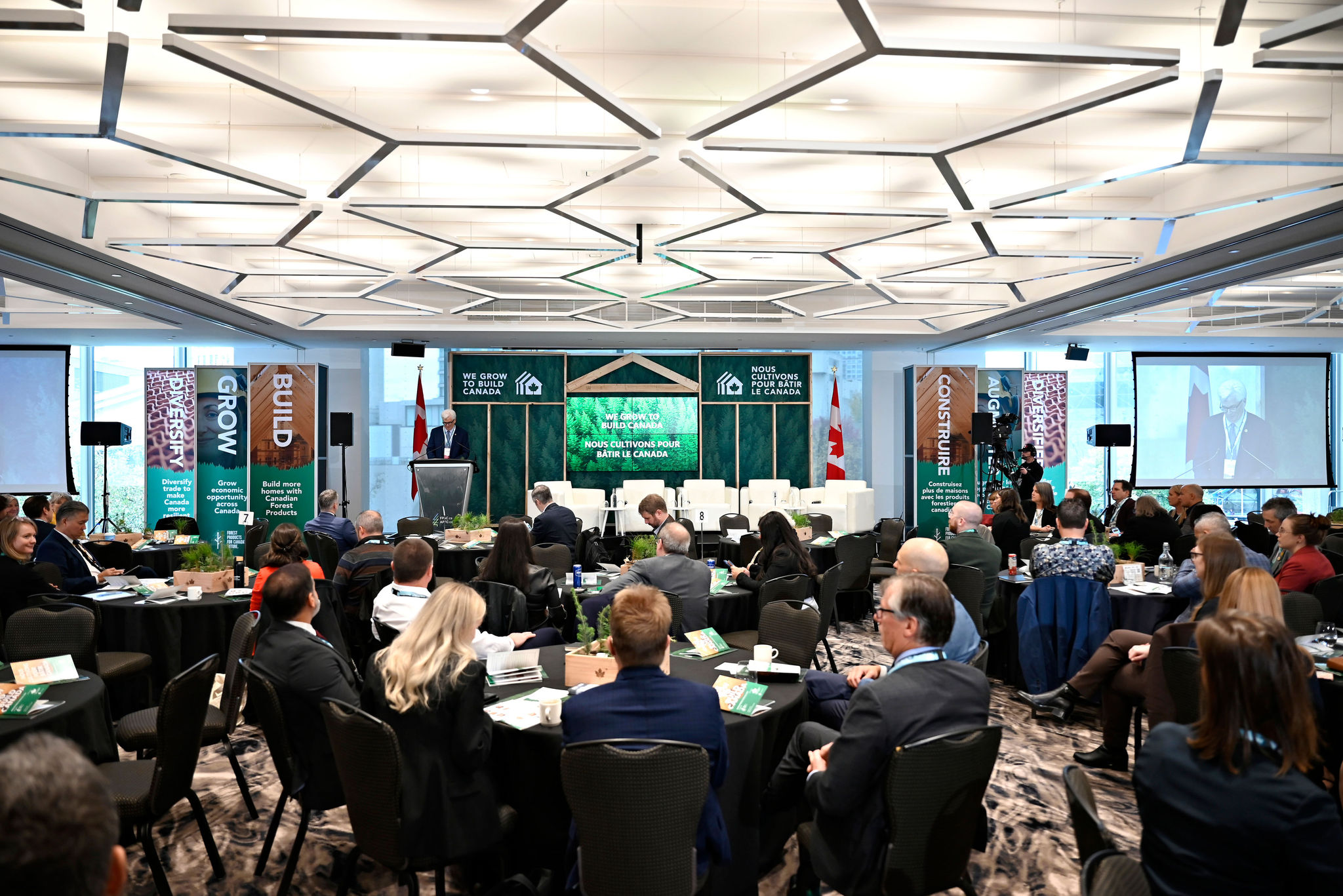
Building on this momentum, FPAC’s annual policy conference on October 22 was themed We Grow to Build Canada and included a mainstage panel discussion: Building Canada Homes with Wood and Growing Manufacturing Capacity. The Honourable Gregor Robertson, Minister of Housing and Infrastructure delivered a keynote speech on the opportunity (and urgency) facing Canada today.
Pursuing Modern Methods of Construction
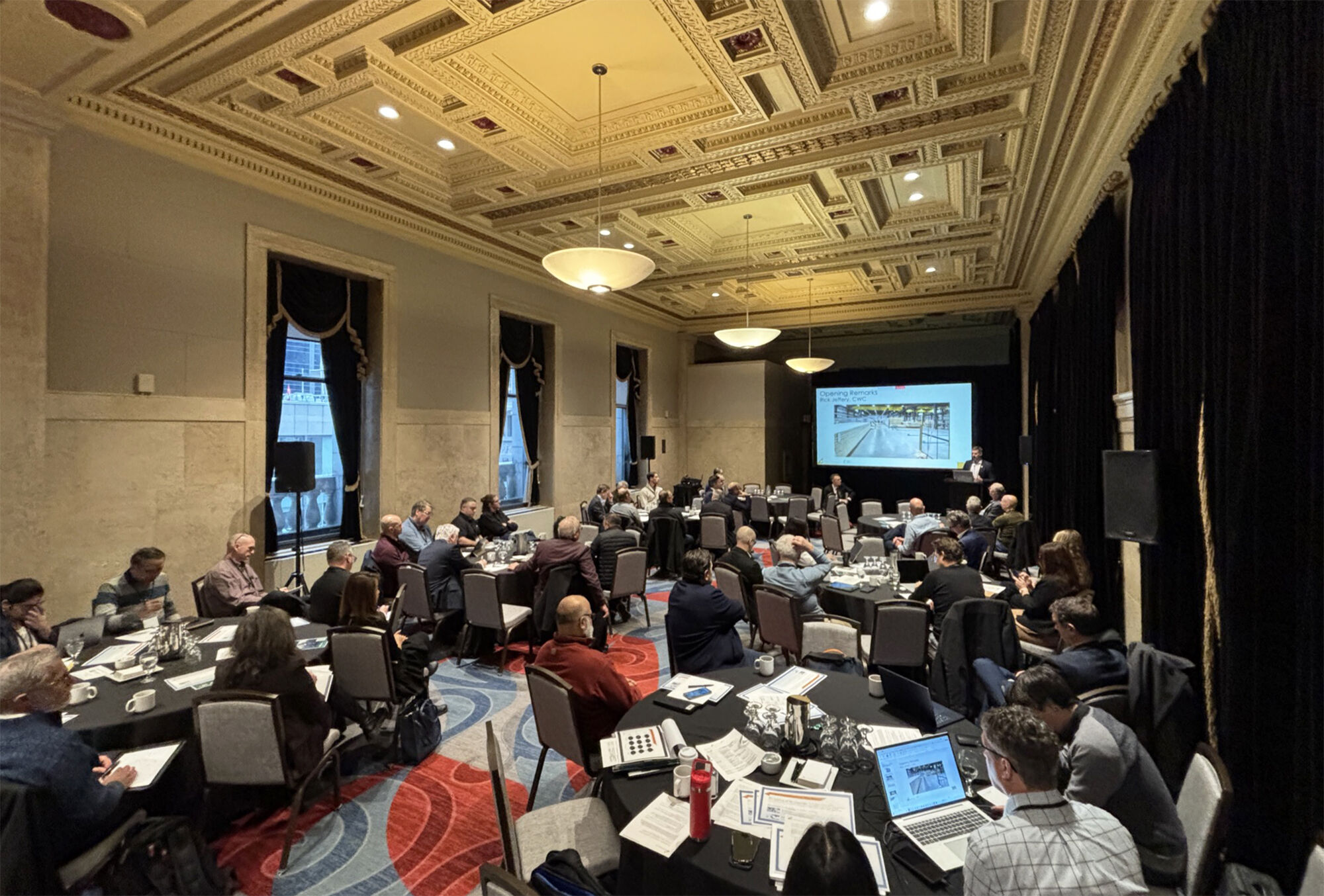
In December, FPAC and the Canadian Wood Council co-hosted the Honourable Kevin Holland, Ontario’s Associate Minister of Forestry and Forest Products, and industry leaders for a roundtable on Modern Methods of Construction. The discussion focused on how industrialized approaches such as panelization, prefab modular systems, and mass timber can address regional housing needs, strengthen manufacturing capacity, and improve material efficiency. The discussion also covered supply chain pressures, technology advancements, and insights from demonstration projects to accelerate adoption and guide technical, regulatory, and R&D priorities for Canada’s evolving offsite construction landscape.
Buy Canadian Policy
Following consistent recommendations from FPAC, the Canadian government implemented a Buy Canadian Policy to prioritize Canadian materials in all contracts over $25 million. It will also apply to all Government of Canada Grants and Contributions programs, including federal infrastructure funding programs, requiring procurement of Canadian steel, aluminum, and softwood lumber when the value exceeds $250,000.

In 2025, FPAC elevated its efforts to engage stakeholders, raise public awareness, and build strategic partnerships that advance the interests of Canada’s forest products sector. Through targeted communications, media engagement, thought leadership, and innovative campaigns, FPAC continues to demonstrate that Canadian forestry is a vital contributor to the nation’s economy, environment, and communities.

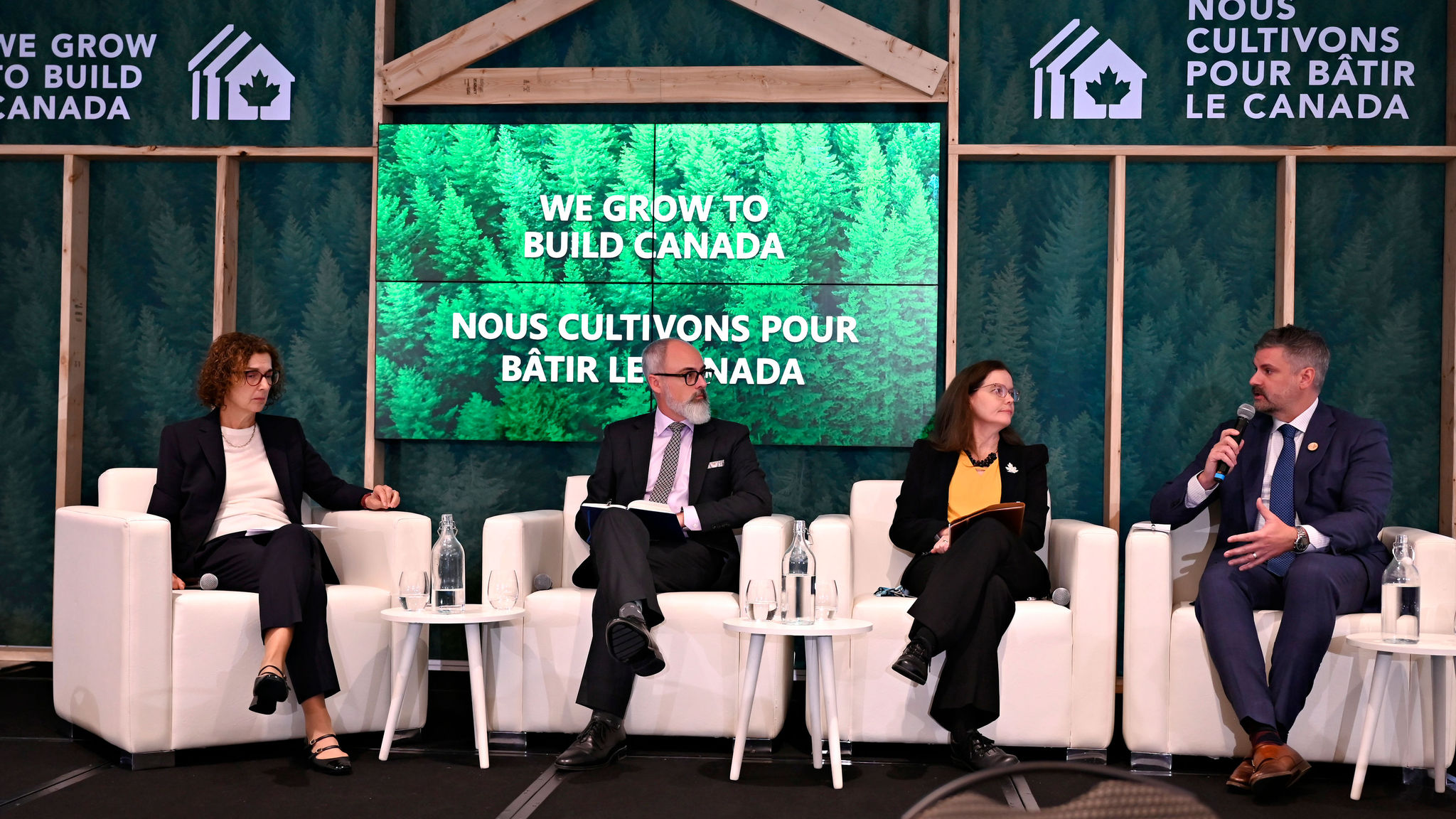
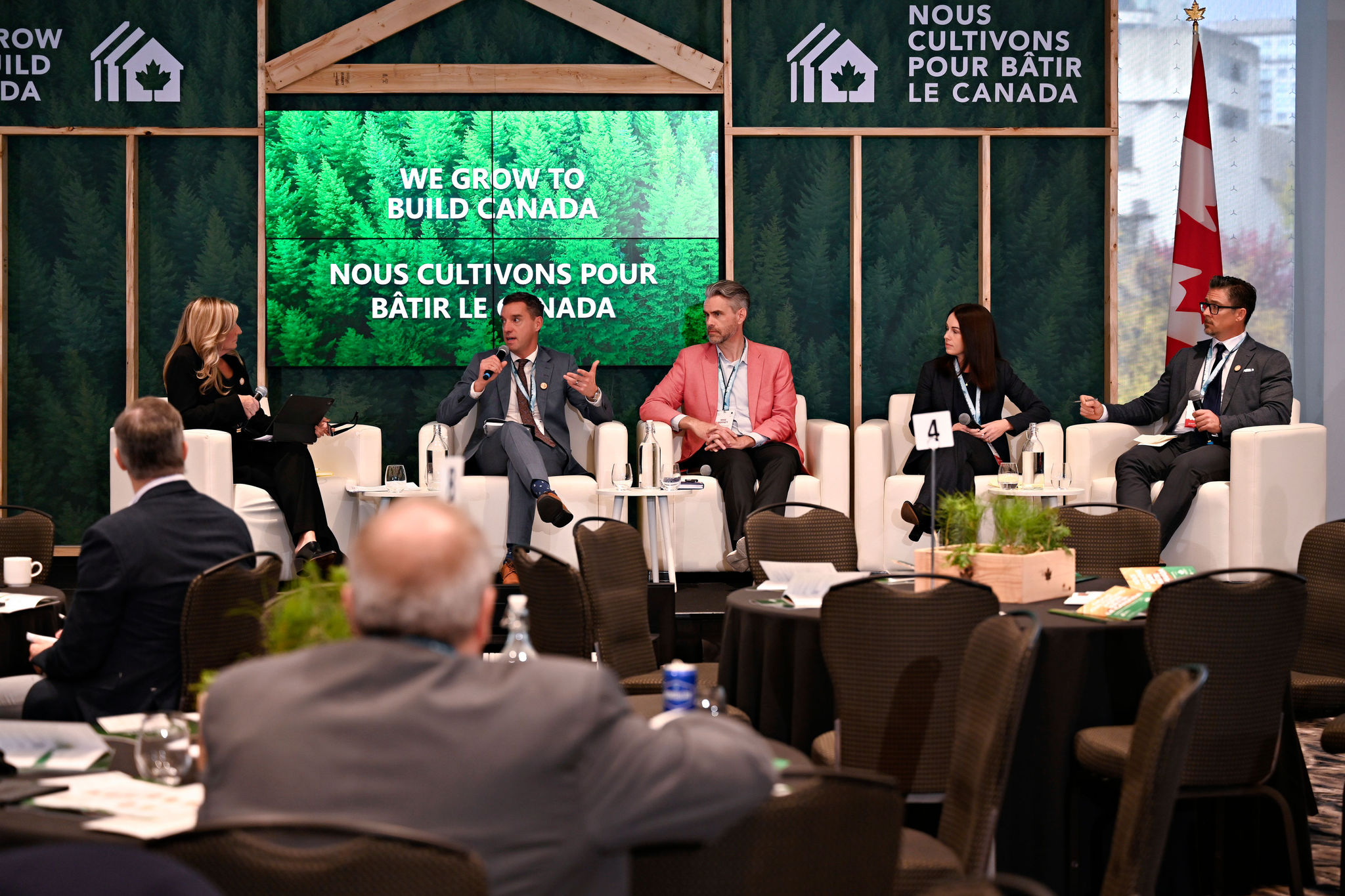
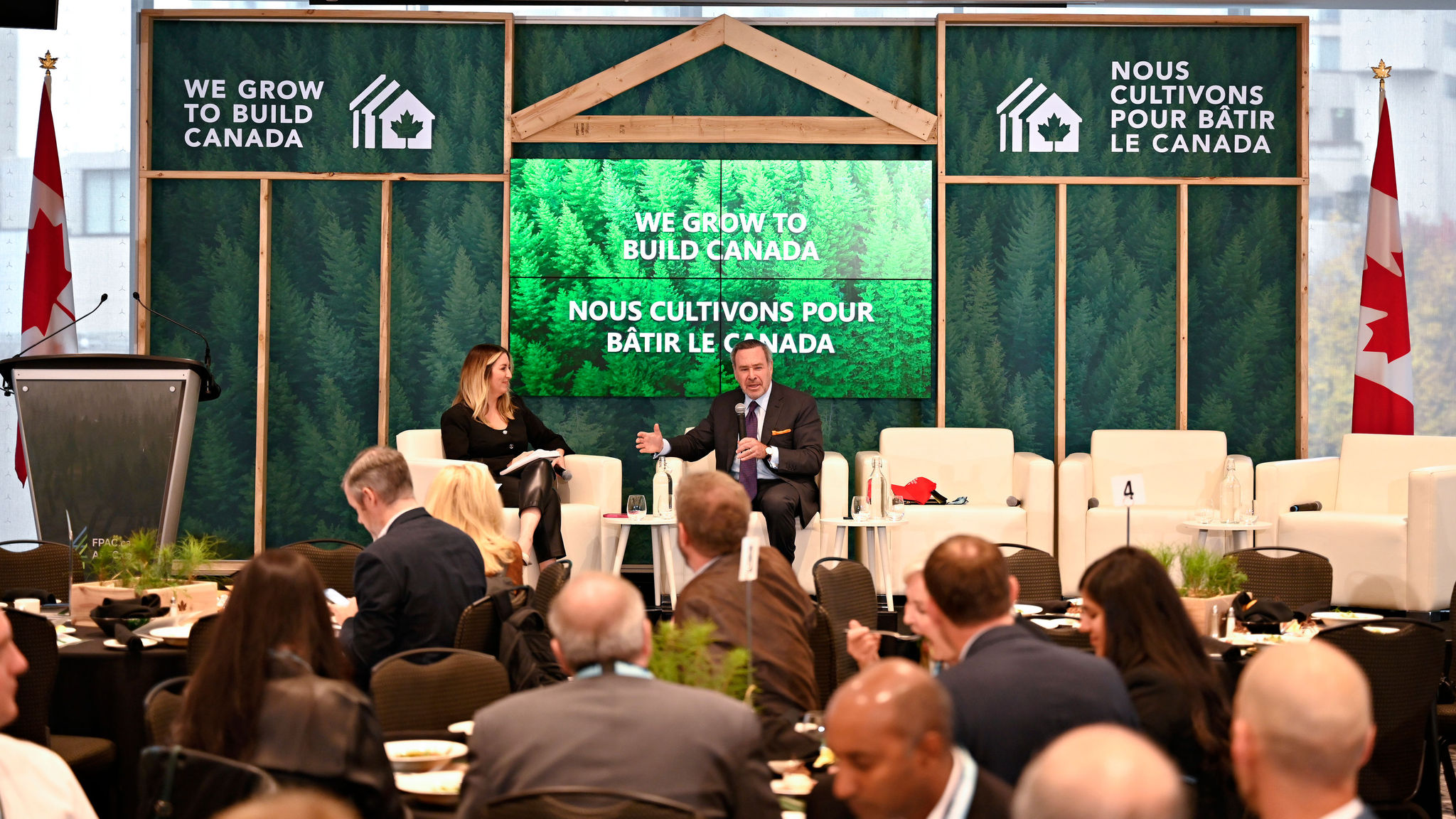
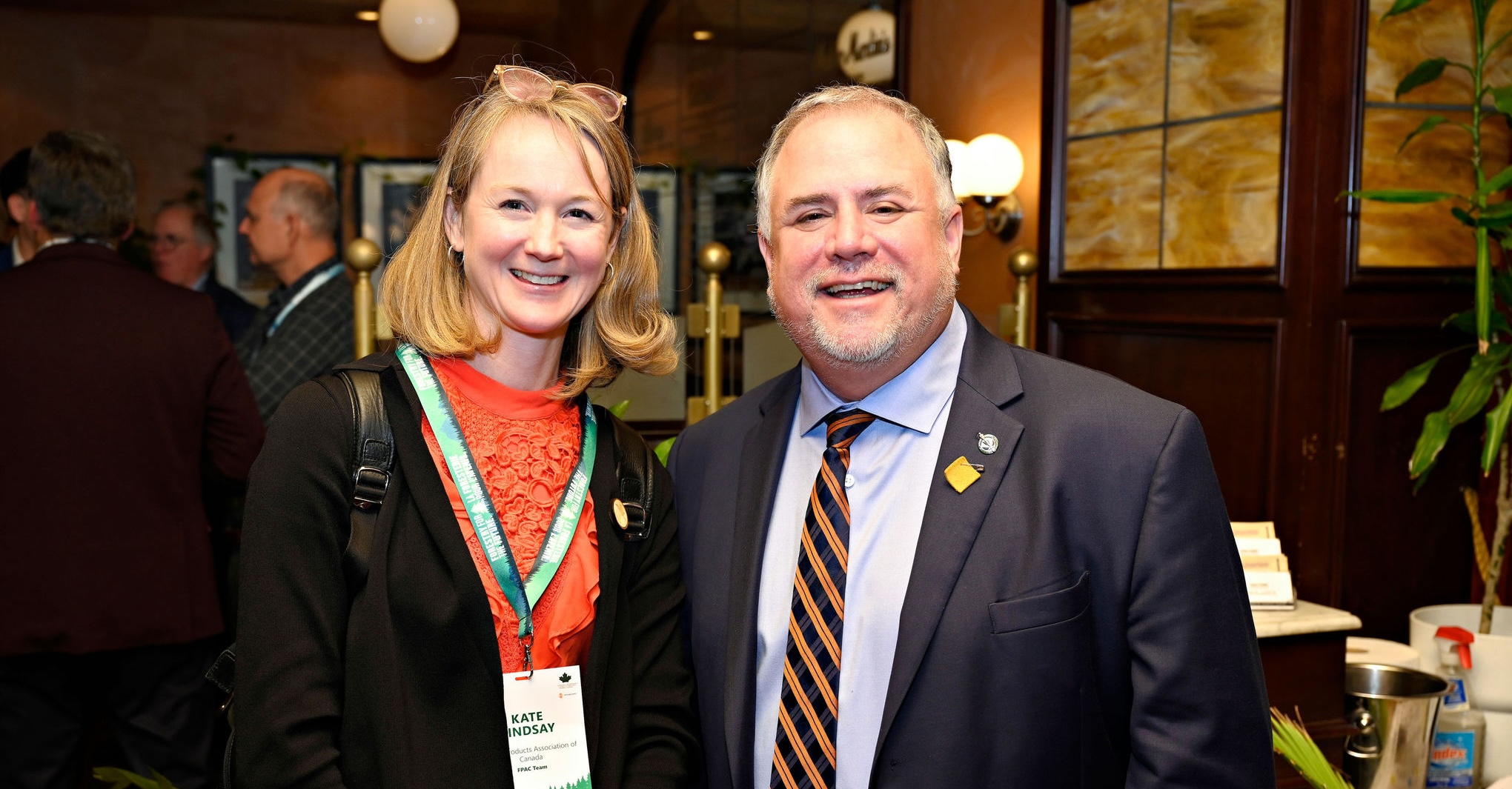




Use slider arrows above to see all photos
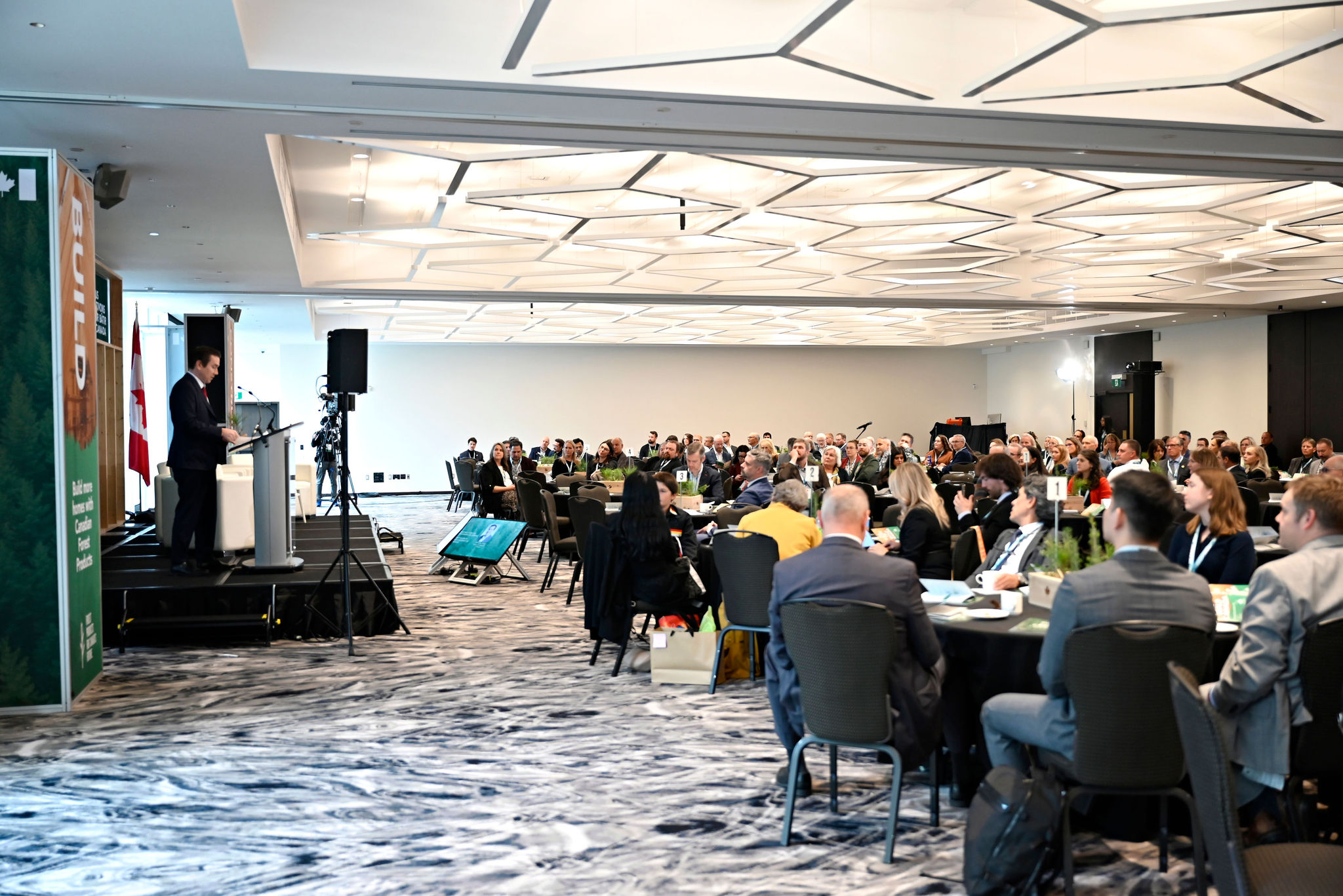
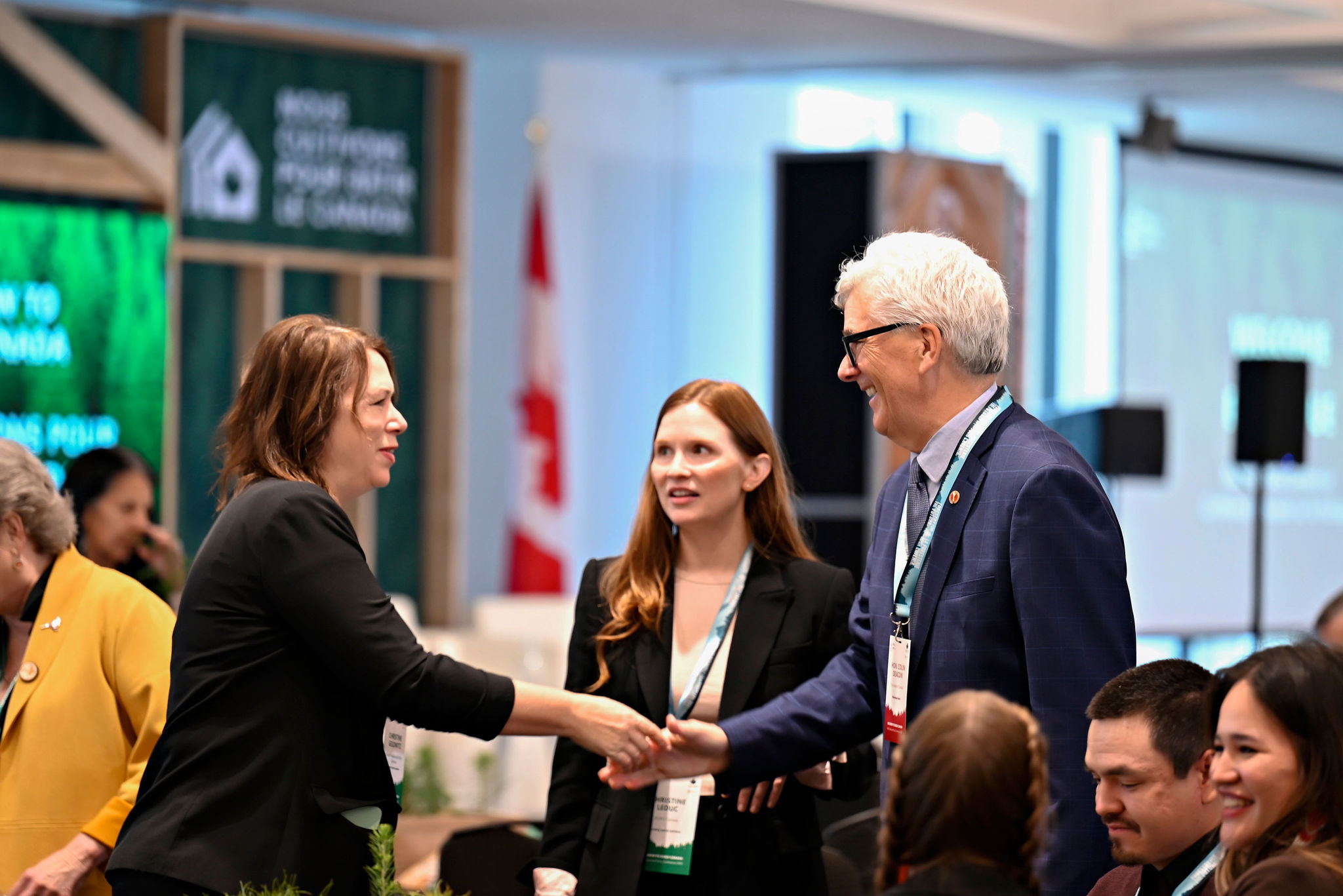
FPAC hosted its annual National Policy Conference and Parliamentary Reception in Ottawa on October 22, attracting 300 attendees including forest sector partners, industry leaders from across the country, elected officials from all major parties, and municipal leaders.
Notable participants included Minister Gregor Robertson, Parliamentary Secretary Corey Hogan, Senator Colin Deacon, Senator Robert Black, MP Ben Carr, MP Gaétan Malette, MP Aaron Gunn, MP Mario Simard, and MP Gord Johns. The day served as an important forum to discuss the sector’s future direction, competitiveness, and contributions to Canada’s economy. The conference featured keynotes, armchair discussions and three panels:
- Reclaiming Canadian Competitiveness in Forestry and Beyond – A discussion that delved into opportunities for forestry and the Canadian economy in the face of the current uncertainty and chaos.
- Securing the Future Through a New Approach to Trade Policy – Insights on the current landscape, implications and impacts across multiple sectors of the economy, and the path forward for Canadian forestry and the Canadian economy.
- Building Canada with Wood and Growing Manufacturing Capacity – A conversation on how wood-based construction—mass timber, modular, and panelized systems can revolutionize homebuilding.
Across all sessions, speakers underscored the importance of policy certainty, a stable operating environment, and strategic investments that enable the forest sector to contribute more fully to Canada’s economic and environmental objectives. The conference was recorded by CPAC and streamed live.
FPAC amplified its voice on the national stage, conducting over 50 national and regional media interviews throughout the year. During a critical period for Canada–U.S. trade negotiations in October, FPAC hosted a media availability and released Canada’s 200,000 Forest Sector Workers Can’t Be Sidelined in Canada–U.S. Negotiations which sparked strong interest from national outlets, driving coverage that highlighted the sector’s economic importance.
FPAC issued 30 news releases throughout the year and cultivated relationships with media across the country to grow forestry’s voice in national and regional media. This surge in coverage positioned FPAC as a trusted source on forestry and trade issues, ensuring the sector’s perspective was front and center in stories shaping Canada’s economic future.
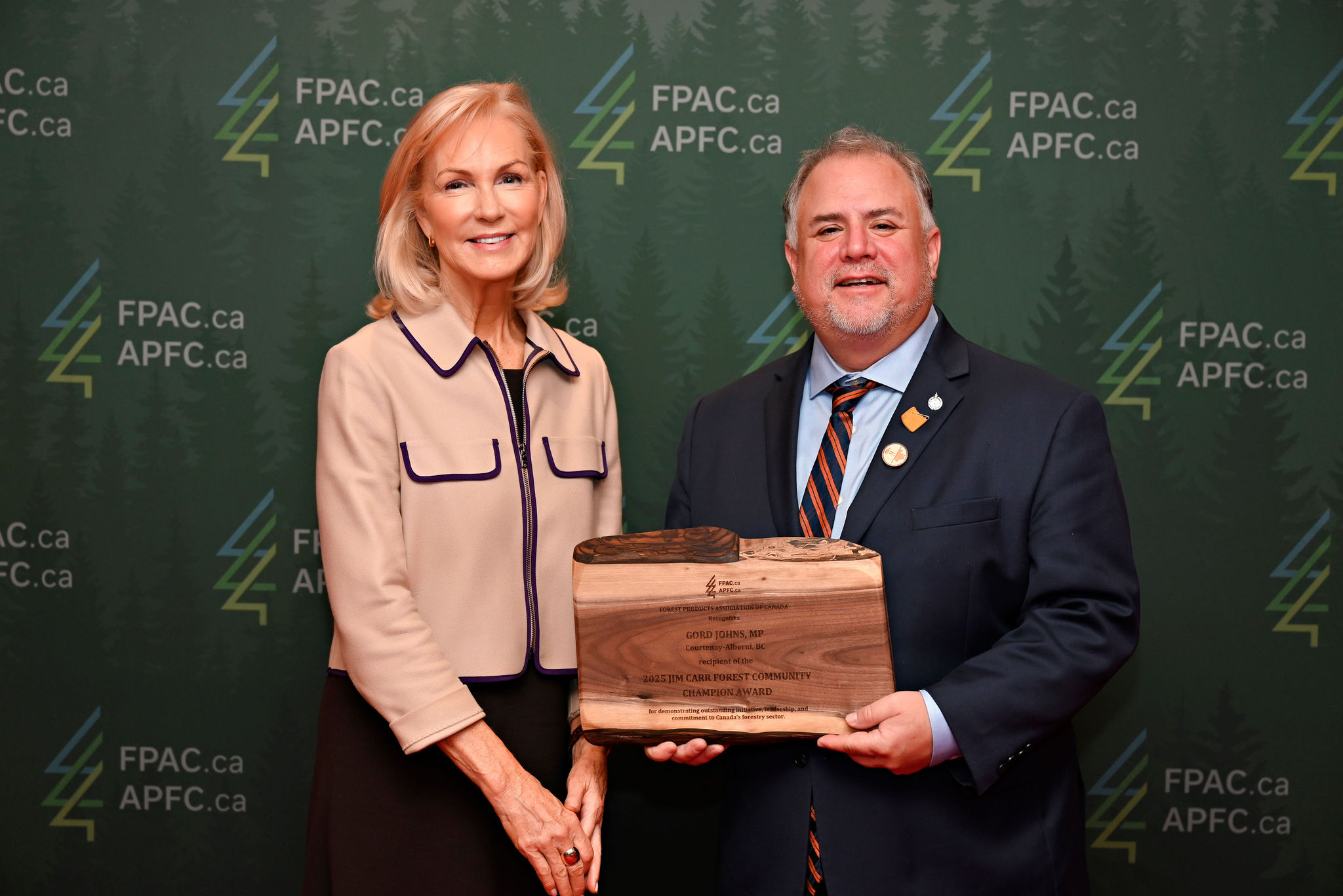
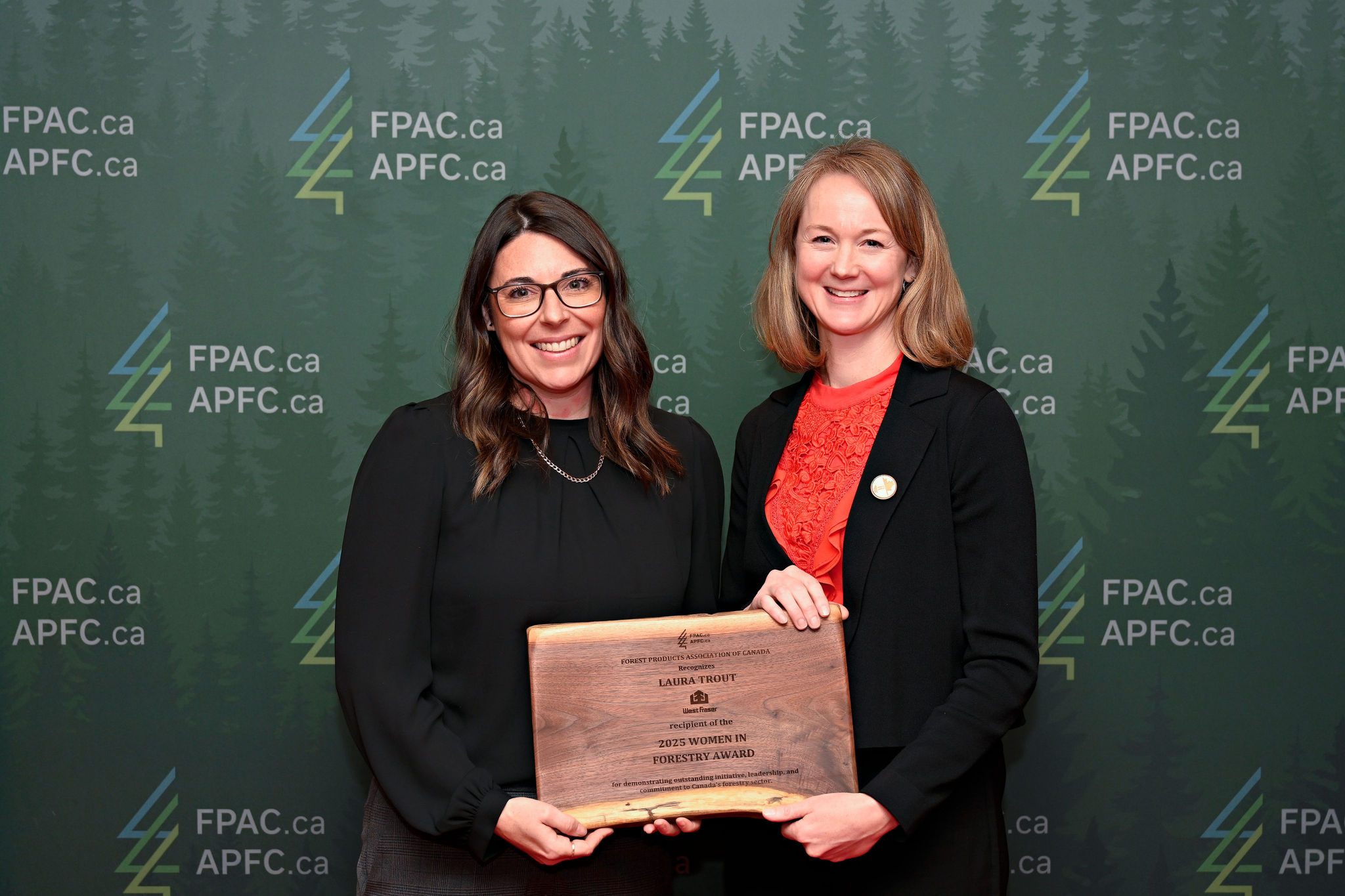
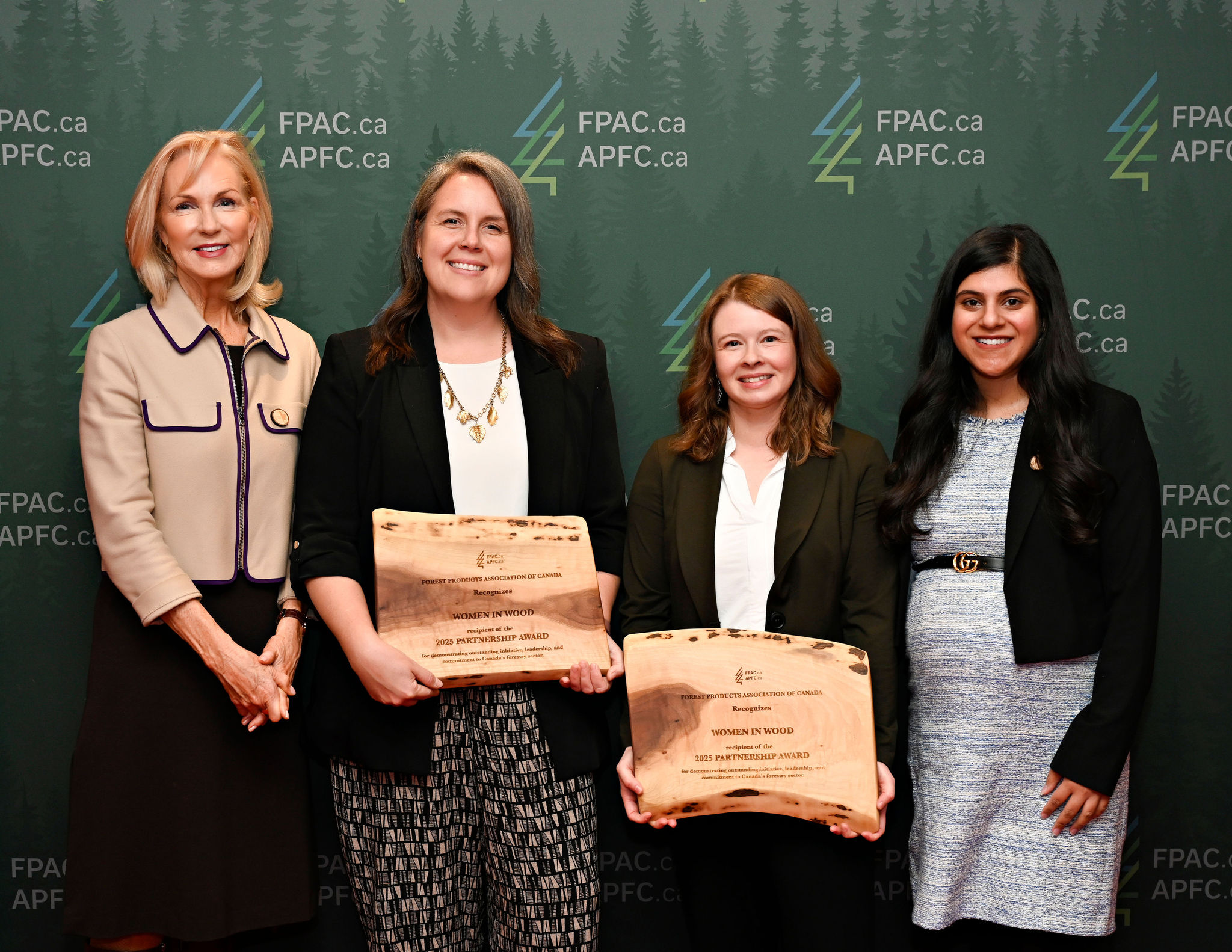
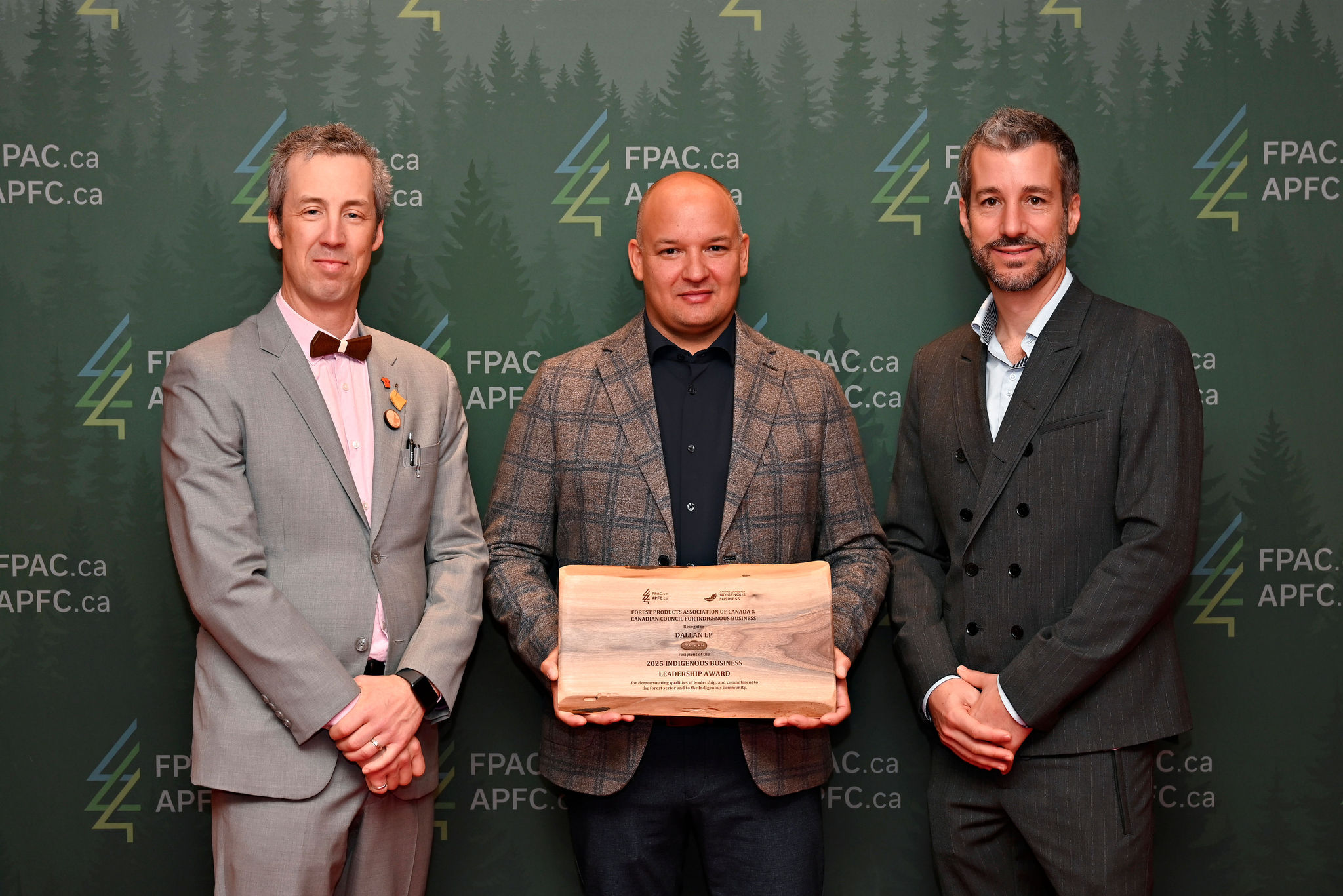
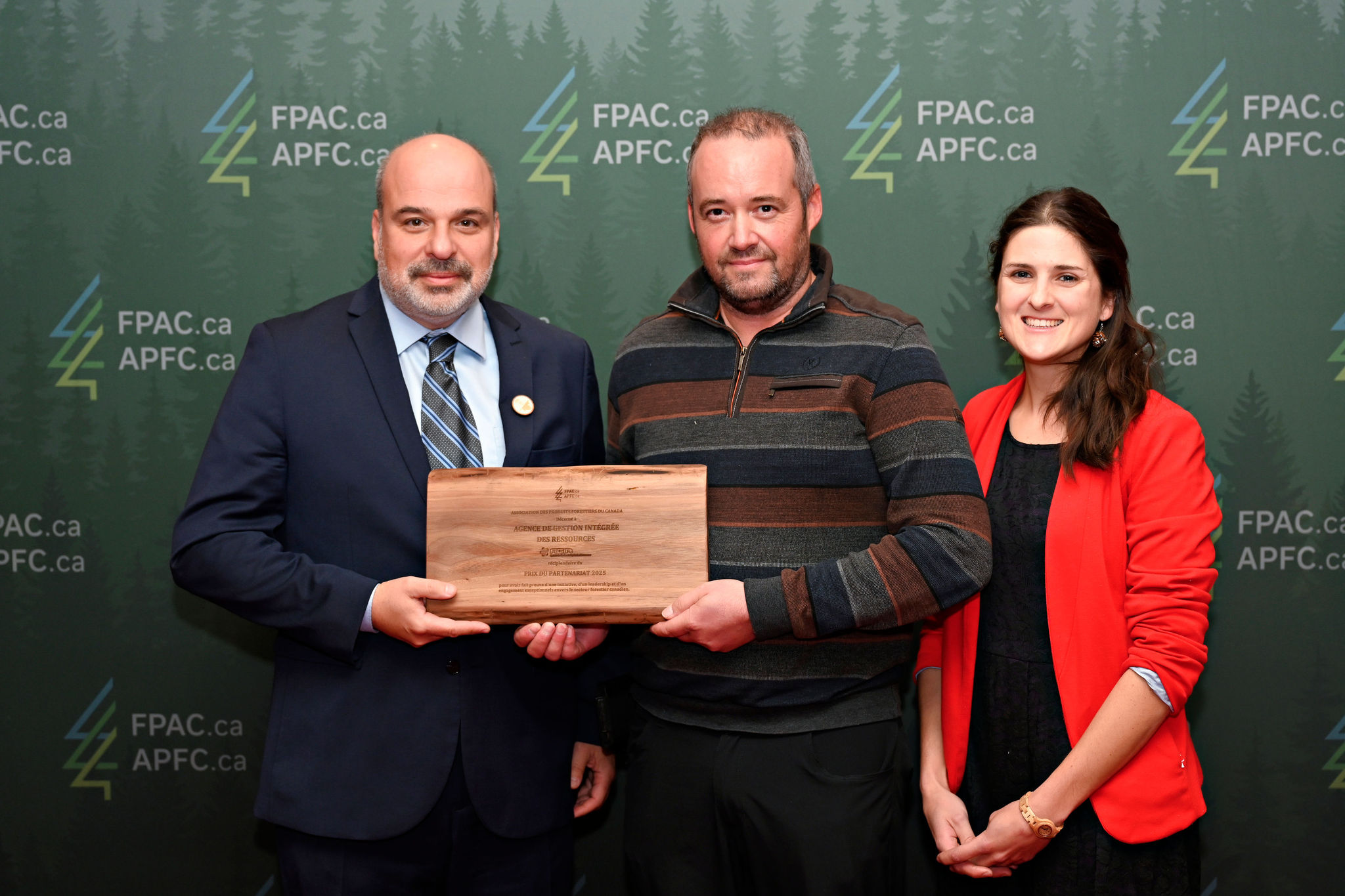
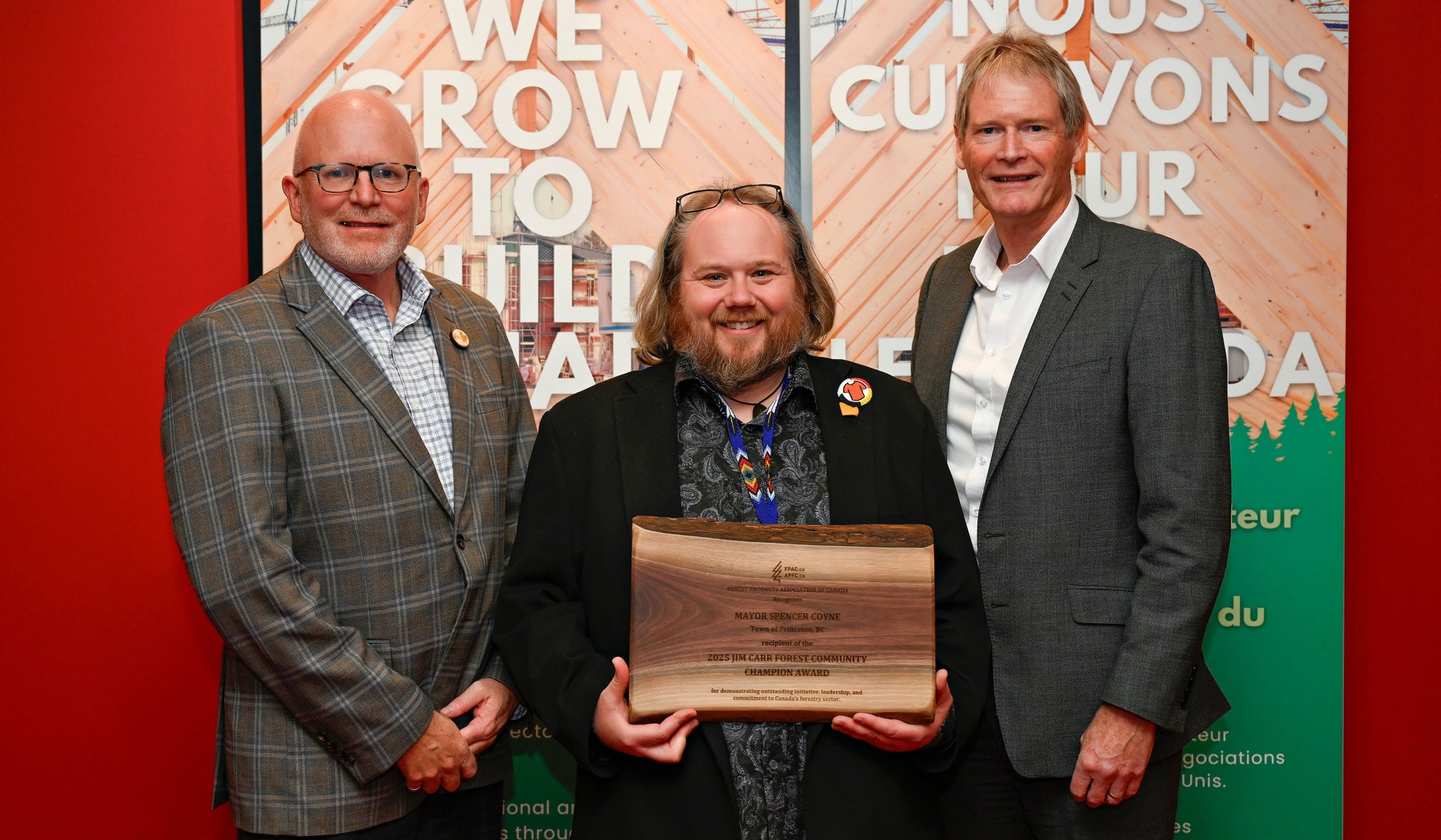
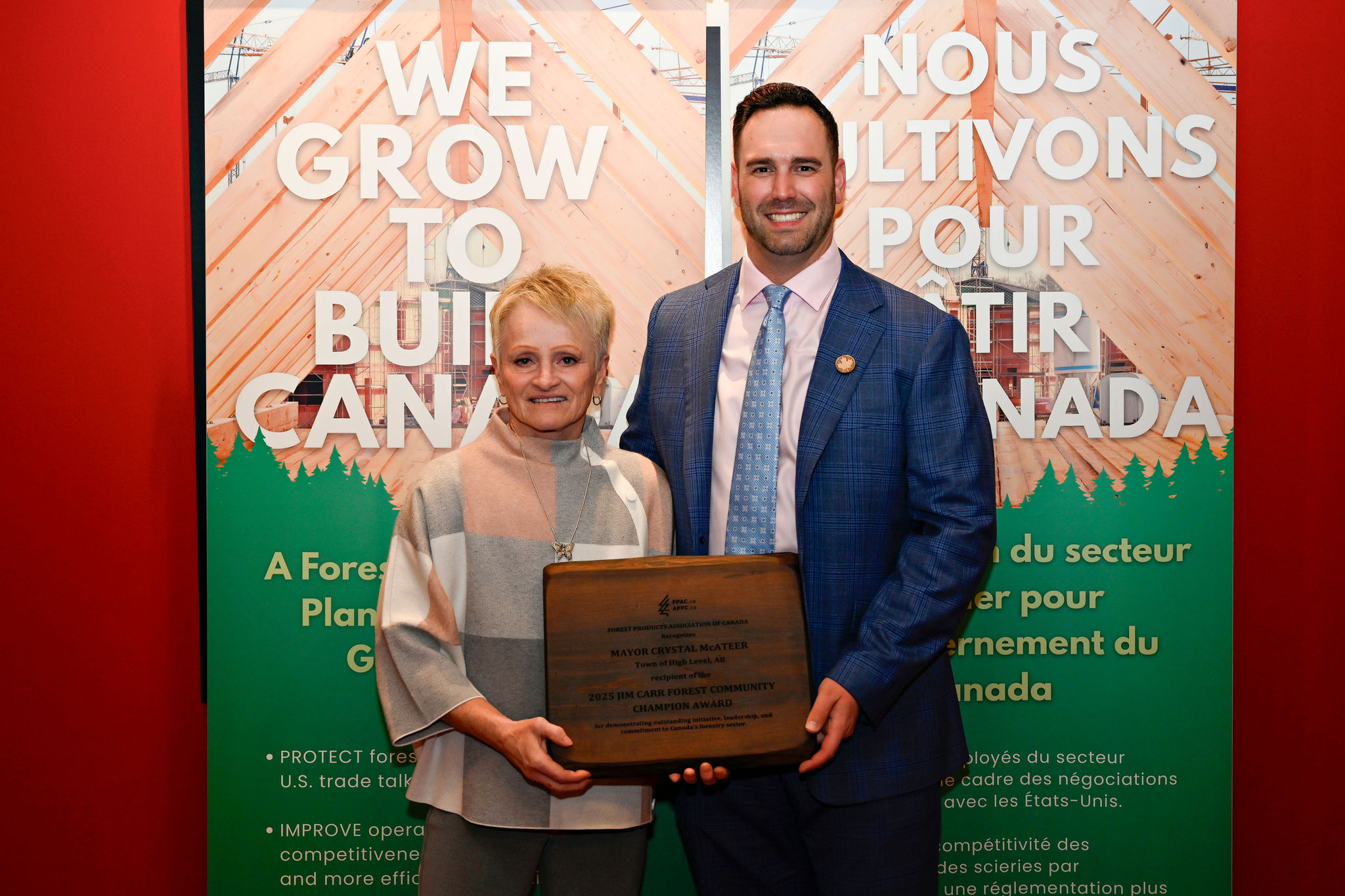
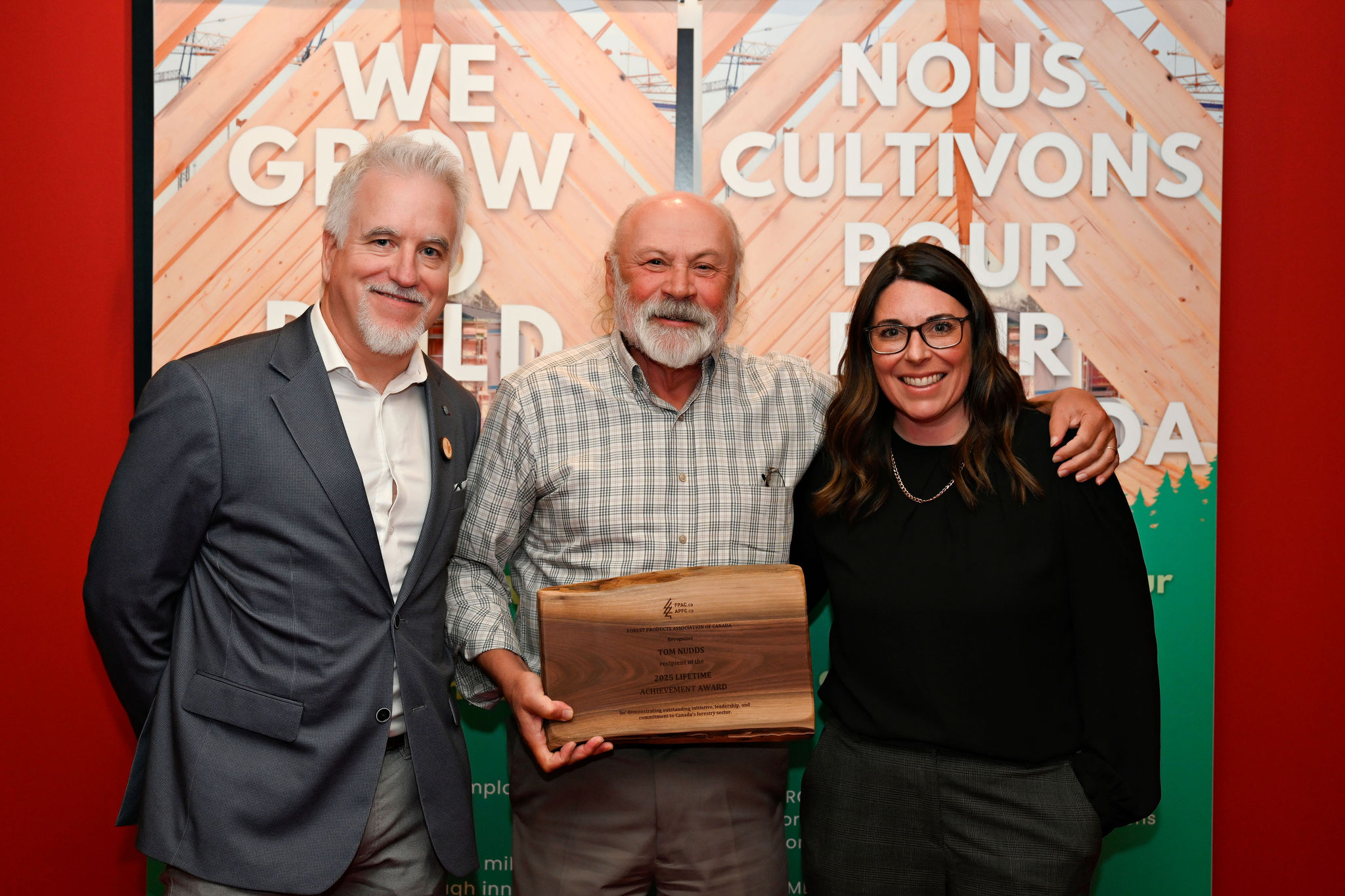
Use slider arrows above to see all photos
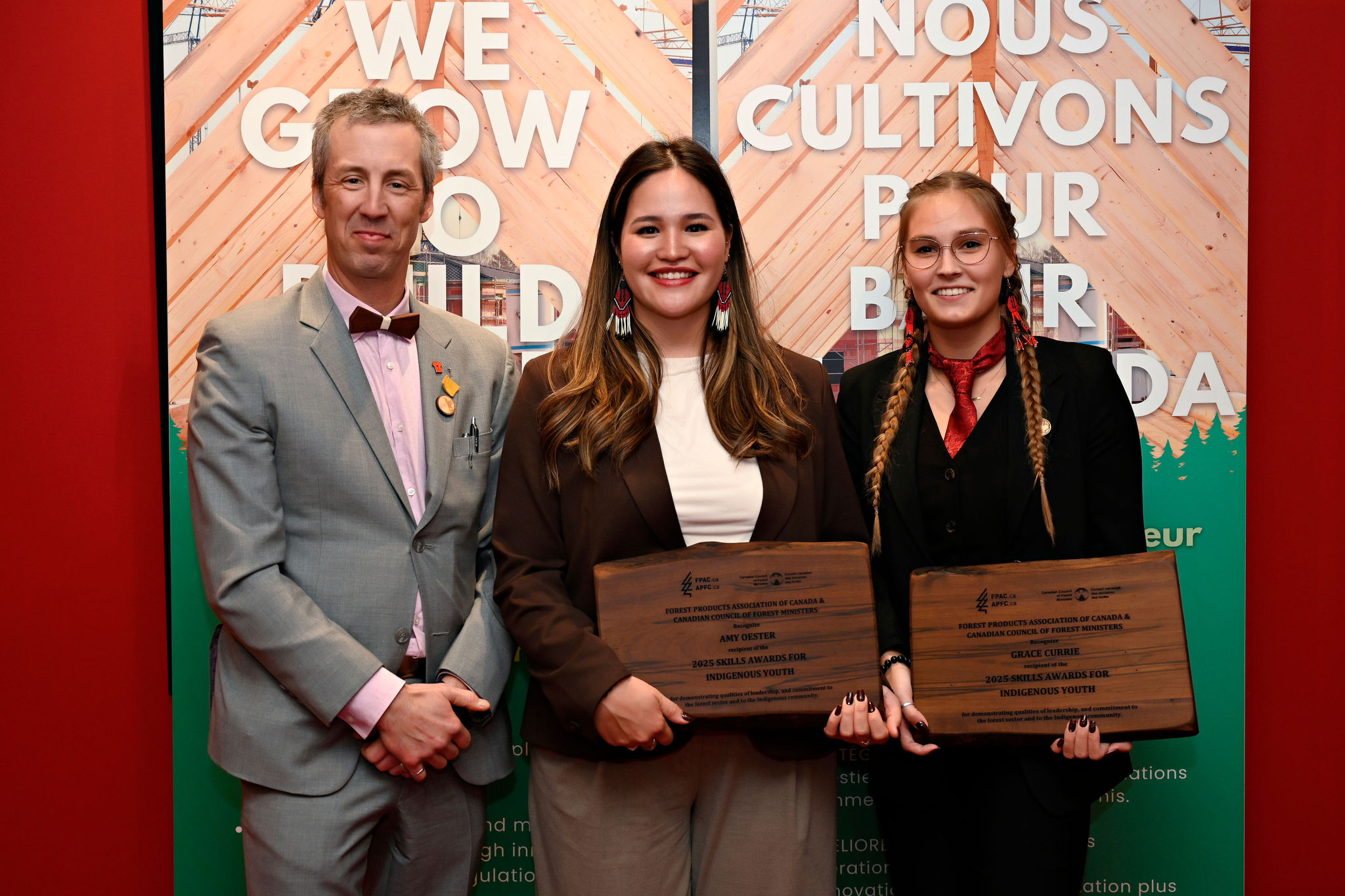
The 2025 Awards of Excellence were presented during the National Policy Conference, celebrating 13 individuals and organizations for their outstanding contributions to Canada’s forest sector. These recognitions shined a spotlight on the dedication and impact of those driving progress in our industry—from community champions and Indigenous business leaders, to emerging professionals, women advancing inclusion, youth building careers, and innovators paving the way for sustainable management and economic opportunity.
In Spring, two exceptional PhD candidates were recognized as winners of the 2025 Chisholm Awards for Innovation in Forestry, an annual national competition spotlighting young researchers driving sustainable solutions. Assira Keralta of Université Laval is advancing eco-friendly wood modification strategies to improve durability and performance within a circular economy framework. Shayan Narani from the University of British Columbia is pioneering the use of pulp and paper byproducts as replacements for cement and aggregate in concrete—reducing waste and cutting CO₂ emissions. Their work exemplifies the theme of 2025: Promoting Decarbonization in the Forest Products Sector Through Value Chain Innovation.
Additionally, earlier in May, Penghui Zhu, one of FPAC’s 2024 Chisholm Award recipients from UBC, earned global recognition by winning first place in the 2025 International Blue Sky Young Researchers Innovation Award for developing stretchable all-cellulose films as biodegradable alternatives to plastic packaging. These innovators reflect Canada’s leadership in forestry research and its commitment to a sustainable future.


Through FPAC’s 2025 Green Dream Internship Program, five outstanding students shared their stories from the field during their summer positions. The interns highlighted stories from exploring forestry careers, such as navigating fieldwork essentials, building inclusive workplaces, and learning from community interactions. Their content ranged between blogs, vlogs, TikTok and YouTube shorts, and interview style podcasts. These interns represent the next generation of leaders committed to innovation and sustainability in Canada’s forest sector.
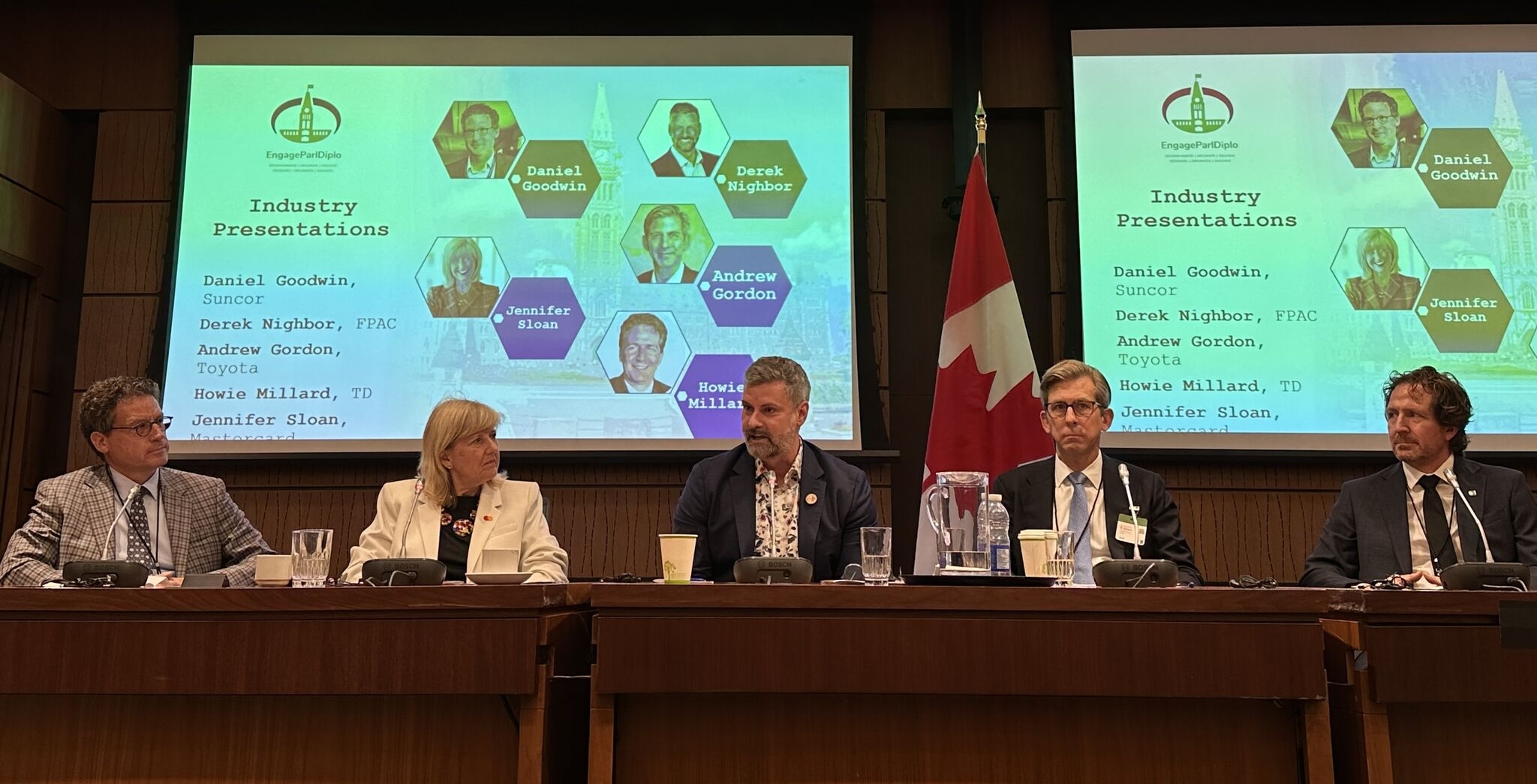
FPAC’s Derek Nighbor participated in the orientation for new Members of Parliament, emphasizing the sector’s vital role in supporting good-paying jobs, sustaining communities, and driving innovation. Opportunities in trade and market diversification for Canadian forest products, as well as housing solutions through mass timber and modular construction were highlighted. This event provided an important platform to share insights and build relationships that will strengthen collaboration on policies supporting Canada’s forest sector, its workers, and the communities it serves.
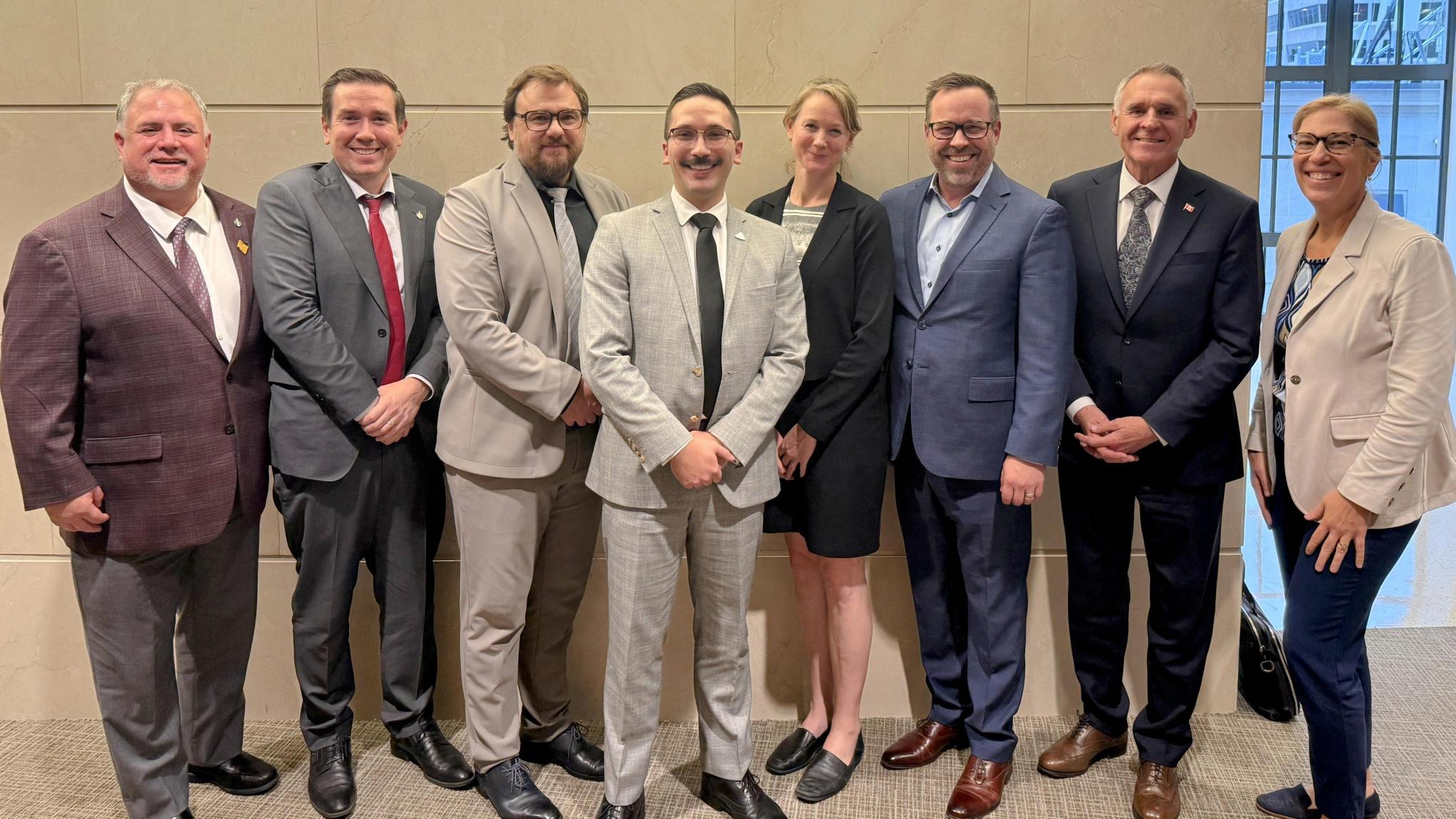
In October, FPAC presented to the newly formed Forestry Caucus, a group of officials focused on supporting Canada’s forest sector. FPAC shared key facts about the sector’s national impact, including 367 million hectares of forest, 200,000 direct jobs, and over $21 billion contribution to Canada’s GDP. The presentation addressed current challenges such as declining production, investment barriers, and regulatory complexity. FPAC proposed four practical steps for federal action: streamlining permitting, boosting demand for Canadian wood, encouraging investment, and expanding trade opportunities. This engagement helped inform policymakers about the sector’s priorities and the need for collaborative solutions.

In September, FPAC welcomed the 2025-26 cohort of the Parliamentary Internship Programme (PIP) for a detailed discussion on the forest sector’s role in Canada’s economy and climate solutions. Interns explored FPAC’s key priorities, including sustainable forest management, Indigenous partnerships, and contributions to housing, trade, and climate resilience. FPAC’s leadership and policy team shared insights on how government relations and strategic communications amplify the sector’s voice. The session fostered meaningful dialogue on policy, innovation, and collaboration underscoring FPAC’s commitment to engaging Canada’s next generation of leaders.
Indigenous stewardship is a cornerstone of sustainable forest management. Indigenous Knowledge and practices (such as cultural burning), offer invaluable contributions to mitigating fire risks, enhancing biodiversity, and strengthening forest ecosystems. FPAC further emphasized these connections through direct engagements, including national tours, collaborative initiatives, and economic impact studies that underscored the significant contributions of Indigenous Peoples to the forest sector.
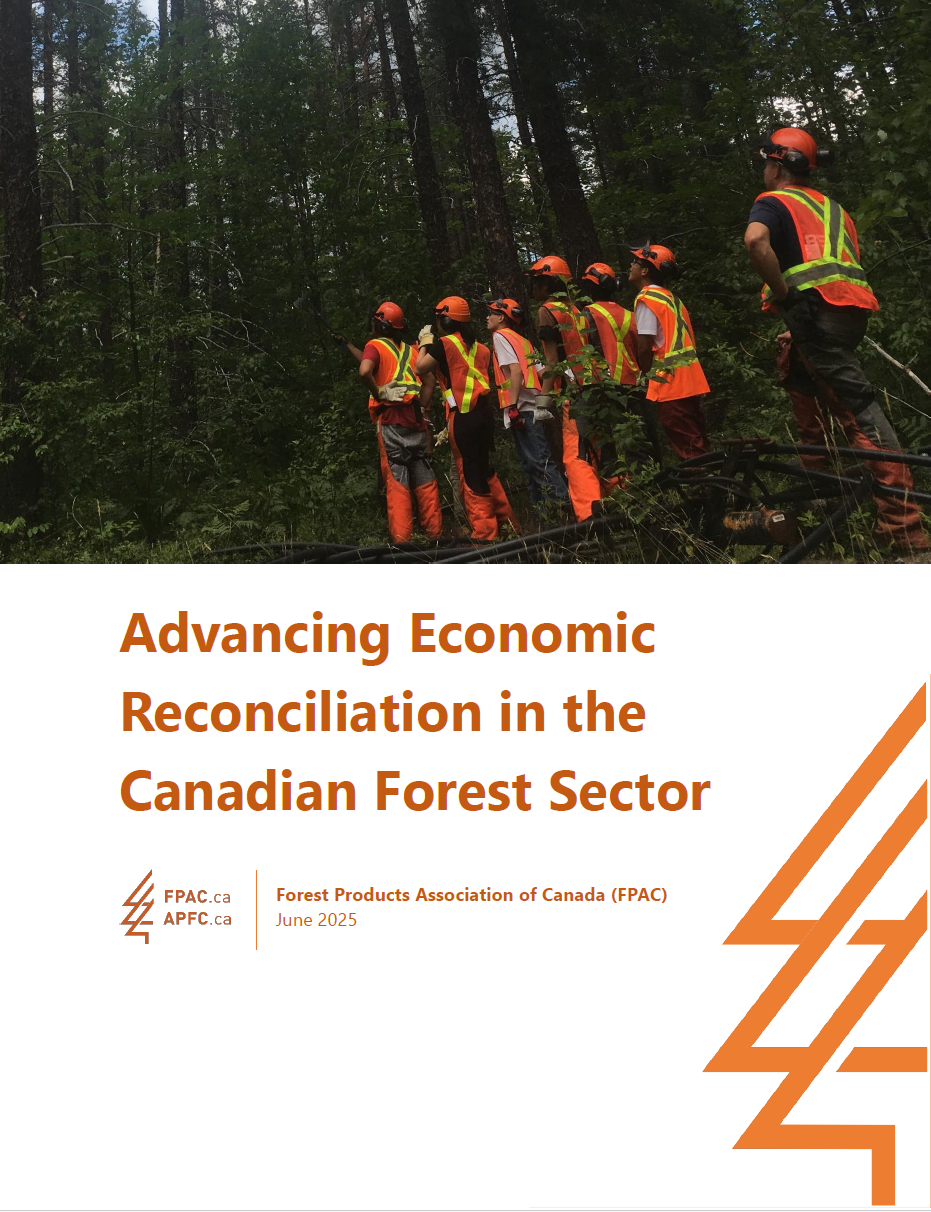
In June FPAC released the Advancing Economic Reconciliation in the Canadian Forest Sector policy brief which lays out how the forest sector can support Indigenous-led prosperity, environmental stewardship, and long-term economic inclusion. The brief underscores the deep connections between Indigenous communities and forest lands and states that removing systemic barriers is essential to making reconciliation a shared national outcome. The recommendations call on the federal government to increase access to capital for Indigenous enterprises by lowering thresholds and simplifying application processes, close infrastructure gaps through fire management and bioeconomy investments, build Indigenous engagement capacity via co-led land use planning, and sustain programs for youth and knowledge-sharing, including expanding the Outland Youth Employment Program (OYEP) and Project Learning Tree (PLT) Canada.
With support from the Canadian Council of Forest Ministers (CCFM), FPAC expanded its Indigenous award program and launched a youth delegate initiative with Project Learning Tree (PLT) Canada, to accompany the Indigenous award recipients at FPAC’s National Policy Conference in Ottawa and expand this development opportunity.
FPAC also continued its partnership with the Canadian Council of Indigenous Business (CCIB) to select and promote the Indigenous Business Leadership Award, offering a one-year CCIB membership and celebrating the 2025 recipient during National Forest Week and the conference.
Collaboration with the Outland Youth Employment Program (OYEP) continued through financial support, advocacy for funding, and engagement with its Youth Advisory Council to promote the Indigenous youth skills award.
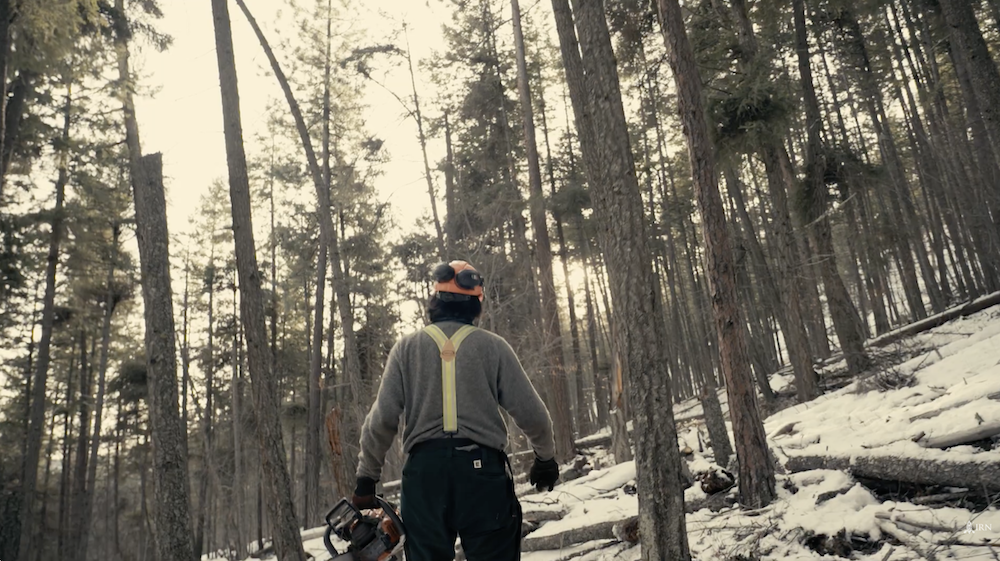
Additionally, FPAC worked with the Indigenous Resource Network (IRN) to produce videos, articles, and social media content showcasing Indigenous leadership in sustainable forestry and community impact.
FPAC serves as the communications secretariat for the International Council of Forest and Paper Associations (ICFPA), leading global communications and supporting collaboration on sustainability priorities across member organizations that span 27 countries. This role positions FPAC at the centre of international efforts to advance climate action, innovation and responsible forestry practices. FPAC’s Derek Nighbor sits on the ICFPA Steering Committee and attended the Annual General Meeting in May in New York, where global leaders gathered to drive progress on sustainable forest management and the circular bioeconomy.
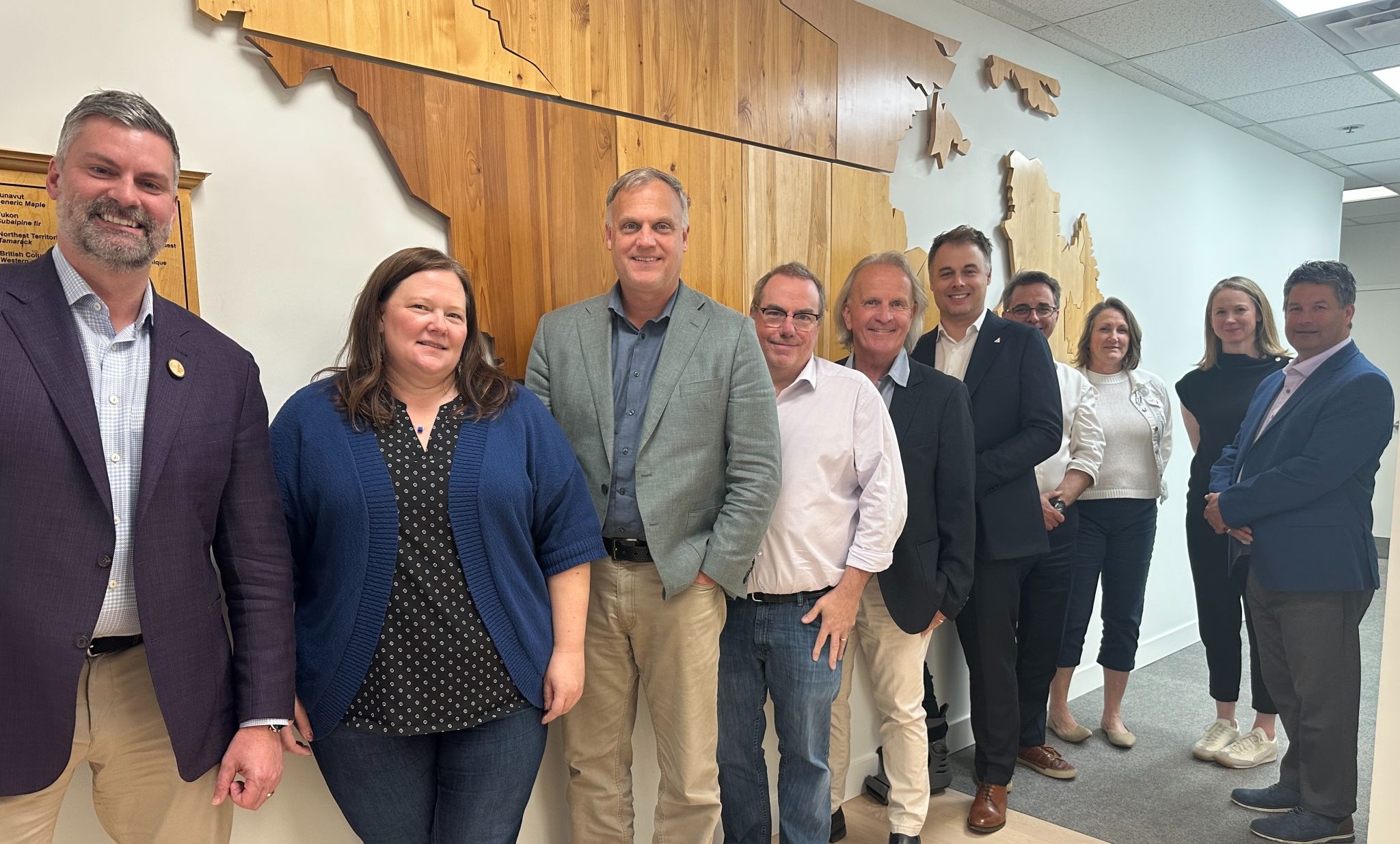
FPAC hosted a meeting in Ottawa with provincial forestry associations and national partners to discuss the challenges and opportunities shaping Canada’s forest products sector. The conversation focused on strengthening the country’s sustainable forest economy and supporting employees, families, and communities. A key priority was the creation of a streamlined “one-window” permitting pathway to ensure consistency, certainty, and coordination between federal and provincial governments. Leaders from BC Council of Forest Industries (COFI), FPInnovations, Alberta Forest Products Association (AFPA), Forest Saskatchewan, Ontario Forest Industries Association (OFIA), Conseil de l’industrie forestière du Québec (CIFQ), Forest New Brunswick, Forest Nova Scotia, and the Canadian Wood Council participated in the discussion.
.jpg)
Throughout 2025, FPAC’s workforce lead, Jenna Phillips, spearheaded three major initiatives focused on workforce equity, diversity, and inclusion (EDI): moderating a virtual panel on the role of mentorship in supporting women at the Women in Forestry Summit in March; a panel on youth engagement in the sector and an interactive workshop on inclusive leadership styles at the Nova Scotia Forestry Sector Council (FORSEC) conference in June. In July, FPAC also organized an in-person employer-government roundtable, bringing alliance members together in Ottawa with senior officials from Employment and Social Development Canada (ESDC), Women and Gender Equality Canada (WAGE), and Natural Resources Canada (NRCan) to identify collaborative strategies for building stronger, more equitable workplaces.
In 2025, Ms. Phillips also assumed the role of Chair of Forestry Together, a national alliance of over 50 members dedicated to advancing EDI in the forest sector. Under FPAC’s leadership, the alliance facilitated meaningful dialogue and practical action: hosting EDI-focused roundtables, launching a virtual resource hub with tools and best practices for employers, and leading or participating in more than 10 national events that promoted fairness and opportunity across the workforce.
FPAC’s 2025 Diversity Survey highlights continued progress and emerging opportunities in advancing EDI across the forest sector. Participation reached its highest level since the survey began in 2017, reflecting stronger member engagement and the success of leveraging the Forestry Together network to bring new organizations on board. This year’s results point to steady gains in representation for women, Indigenous Peoples, and youth, along with growing participation in technical and leadership roles. At the same time, the survey identifies persistent gaps—including in senior leadership diversity, skilled trades, and job stability—that require ongoing focus. By providing customized benchmarking reports and clear insights into workforce trends, the survey continues to help employers measure progress, identify challenges, and drive meaningful, evidence-based action across the sector.
Wildfires
FPAC is proud to be a foundational partner of the Wildfire Resilience Consortium of Canada (WRCC) and welcomed the federal government’s $11.7 million investment in the new Centre of Excellence for Wildland Fire Innovation and Resilience in July. As wildfire seasons grow more severe, this Centre will strengthen national coordination and accelerate the implementation of knowledge, technology and innovation to support wildfire mitigation and increase the resilience of forested landscapes across Canada. The virtual Centre of Excellence aims to support whole-of-society actions by bringing together governments, industry, Indigenous leaders, researchers, and wildfire practitioners to advance and mobilize research and practical tools to improve fire prediction, pro-active mitigation and prevention, as well as response. FPAC’s Senior Vice-President and Chief Sustainability Officer Kate Lindsay is a founding Board Member of the WRCC.
.jpg)
Biodiversity & Wildlife
FPAC’s Chief Scientist Dr. Darren Sleep participated in a symposium on “Applying Forestry Practices to Biodiversity Conservation: Challenges and Opportunities” hosted by The Wildlife Society. Canada’s approach to forest management is shaped by complex and overlapping regulations, climate change, Indigenous rights, and evolving societal expectations. Certification standards play an important role in supporting responsible practices and adapting to new scientific and environmental priorities, but they are not a one-size-fits-all solution for local management needs. FPAC continues to advocate for a balanced, systems-based approach that integrates technology, governance, and Indigenous leadership to advance adaptation and long-term forest health. Addressing these challenges requires ongoing collaboration among stakeholders and a willingness to evolve practices as new information and priorities emerge.
In August at the Forest Genetics conference, Dr. Sleep presented how Canada’s forest sector is responding to growing complexity and uncertainty driven by climate change, evolving regulations, and shifting market demands. The presentation outlined the need for proactive management—where genetic adaptation, landscape planning, and Indigenous knowledge work together to build resilient forests and communities. The presentation illustrated how rising temperatures, extreme weather, and supply chain disruptions are reshaping the sector, and pointed to integrated strategies that combine climate science, socioeconomic planning, and modern governance. The session called for harmonized policies, investment in climate-resilient infrastructure, and a systems-level approach to adaptation to ensure Canada’s forests remain a source of innovation, opportunity, and sustainability.
At the University of Toronto in October, Dr. Sleep guest lectured the 2025 cohort of Master of Forest Conservation students on "Why Forestry Matters". The lecture focused on why proactive adaptation in forestry is essential, requiring flexible management strategies that address not only genetic resilience but also the interconnected challenges of policy, markets, and community needs. The sector’s future depends on a systems-level approach, one that integrates climate science, Indigenous leadership, technology, and governance to ensure lasting sustainability and competitiveness. Bridging the gap between research, practice and attracting new talent to span the science-policy divide, will be critical to advancing solutions that support both forest health and broader societal goals.
In Geneva, Switzerland at the United Nations Economic Commission for Europe (UNECE) Forest and Bioeconomy forum, Dr. Sleep participated in the roundtable to discuss sustainable forest management, the circular bioeconomy, innovation in wood-based materials, and strategies for climate mitigation and adaptation. As part of the program, FPAC spoke on the findings of UNECE’s 2025 Forest Profile report, which highlights growing climate-driven threats such as wildfires, droughts, and pest outbreaks that risk undermining decades of progress.
Innovation & Decarbonization
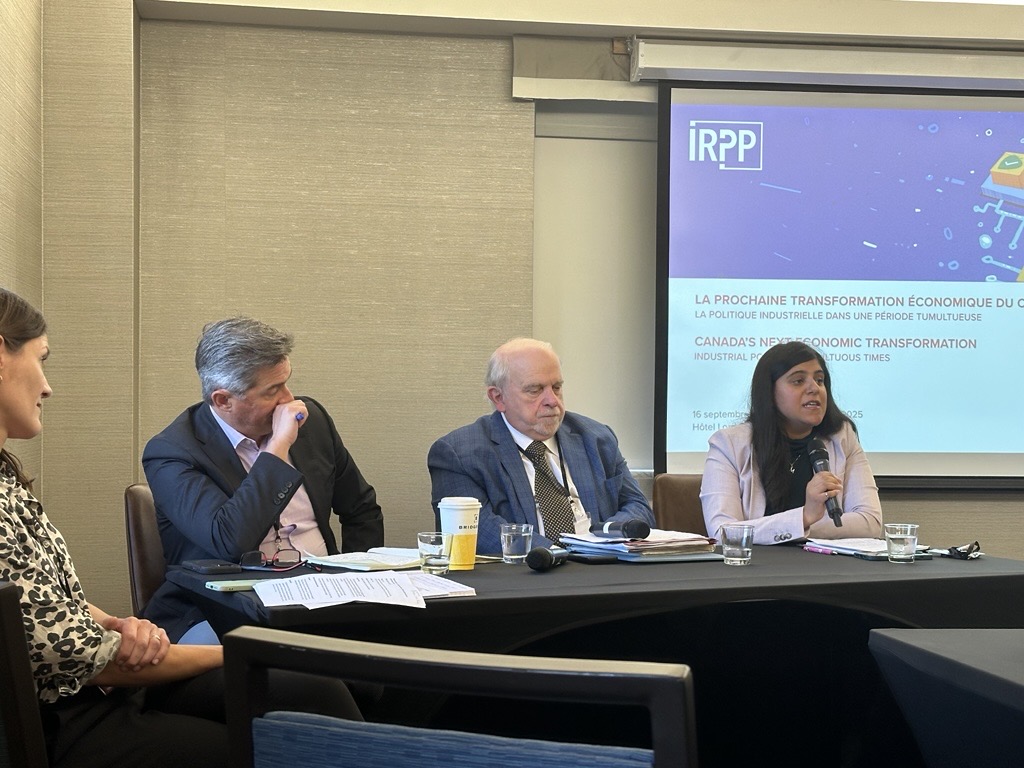
At the Institute for Research on Public Policy’s panel on ‘Decarbonizing Industry: Capturing Opportunities for Low-Emission Growth’, FPAC’s Vice-President Innovation, Environment and Climate Policy, Mahima Sharma, spoke about the forest sector’s critical role in Canada’s evolving energy economy. FPAC emphasized wood as a key solution for Canada’s housing opportunities and significant role this offers for building. She outlined opportunities in modern methods of construction and smart building technologies. Ms. Sharma called for smarter regulations and stronger industrial policy to unlock investment, ensure fiber access, and reduce wildfire risks—positioning Canada’s forest sector to lead in the global bioeconomy, address the housing crisis, and advance climate commitments.
At Scaling Up Bio 2025: Accelerating Deep Decarbonization, Ms. Sharma participated in the panel “Forestry associations moving forward on the bioeconomy”, discussing ongoing challenges facing the sector, what this means for the current state of innovation within the sector, and the need for the appropriate measures to build investor confidence to encourage further investor confidence to attract further investment within the sector.

.jpg)

Showcasing Leadership At COP30
At COP30 in Belém, Brazil, FPAC’s Senior Vice-President and Chief Sustainability Officer Kate Lindsay participated in global discussions on climate action, forest management, and mass timber construction. The conference marked the 10-year anniversary of the Paris Agreement and featured significant discussions on the bioeconomy and role of forests in climate action.
Notable outcomes included a global commitment to increase adaptation finance, the adoption of new adaptation indicators, and the launch of mechanisms to support just transition and tropical forest financing. FPAC contributed to the Forest Pavilion and Canada Pavilion, sharing perspectives on sustainable forest management, the bioeconomy, and the role of forest products in climate mitigation and resilience.
Looking ahead, FPAC will continue to showcase sector leadership and engage on issues such as wildfire resilience, bioeconomy, and the positive role of forest products in national climate strategies at future COPs.
Under Canada’s Clean Fuel Regulations (CFR), FPAC began laying the groundwork in 2024 by defining the scope and methods for a new biofuel pathway. In 2025, FPAC advanced this initiative in partnership with The National Council for Air and Stream Improvement (NCASI) and Anthesis Group, completing data collection in August and life-cycle assessment modeling in October. These results confirmed that methanol, tall oil, and turpentine meet the low-carbon intensity threshold, making them eligible to generate credits under the CFR. Following unanimous support from the Environment Committee, FPAC is moving forward on the next phase of the project: to prepare a peer-reviewed New Fuel Pathway document, scheduled for completion in early 2026. This work positions the forest sector to capitalize on biofuel opportunities while supporting Canada’s clean energy transition.
In 2025, FPAC continued to lead industry efforts on the modernization of the Pulp and Paper Effluent Regulations (PPER) and improvements to the Environmental Effects Monitoring (EEM) program. In May, FPAC submitted a letter to senior officials at Environment and Climate Change Canada (ECCC) and Justice Canada emphasizing the need for technical guidance to ensure compliance adequacy and requesting restoration of ECCC’s policy to provide comments on EEM study designs and interpretive reports. In September, ECCC’s Red Tape Reduction Plan identified PPER modernization as part of its strategy to reduce administrative burden.
To address regulatory uncertainty, FPAC advanced a federal backstop approach through its fall analysis and, in December, called for targeted amendments to the Fisheries Act to enable suspension of federal PPER where provinces have equivalent standards. FPAC also engaged the Prime Minister’s Office, Treasury Board, and Natural Resources Canada (NRCan) to advocate for harmonized, outcomes-based regulation that reduces duplication and supports sector competitiveness.
FPAC partnered with Deloitte Canada to develop sector-specific policy recommendations aimed at stabilizing and strengthening Canada’s pulp and paper industry amid trade and market pressures in 2025. Amid trade pressures facing the softwood lumber industry, it has also been a priority of FPAC’s to have a dedicated program in place to strengthen Canada’s pulp and paper sector. Through member consultations and Deloitte’s economic modelling, the initiative identified five key measures to help grow the sector’s competitiveness. Deloitte’s modelling projects that implementing these measures could generate more than $6 billion in real GDP and create nearly 12,100 new jobs by 2030, offsetting significant losses anticipated under current tariff scenarios.
FPAC undertook the development of a Federal-Provincial Duplication Analysis to identify areas of legislative overlap within the pulp and paper sector and propose approaches to reduce administration and cost. This initiative focused on ten federal environmental regulations and their implications within eight provinces. This analysis was developed through engagement with members and provincial associations. Recommendations developed through this analysis have been integral components of FPAC’s advocacy efforts in 2025.
FPAC’s Environment team distributed the redesigned Annual Energy and Environment Benchmarking Reports to FPAC members in 2025, reflecting new survey terms and conditions that protect mill-specific information while delivering valuable sector insights. The updated approach ensures that reports are provided to non-members companies that complete the survey for all primary manufacturing facilities to ensure FPAC members receive added value for supporting the FPAC survey and to support comprehensive data analysis and sector-wide benchmarking. FPAC will continue to gather member feedback, enhance data analysis using tools like Power BI, and update future reports to maximize value for FPAC members.
FPAC and NCASI coordinated sector-wide responses to federal consultations and information requests regarding Per- and Polyfluoroalkyl Substances (PFAS). As part of the government’s proposed Risk Management Approach, FPAC and NCASI submitted joint comments emphasizing the need for policy to focus on the phase-out of intentionally added PFAS, rather than trace or residual concentrations. The submission also highlighted the importance of flexible transition timelines and the availability of proven alternatives to support safe mill operations. In December 2025, FPAC and NCASI provided feedback on the proposed prohibition of PFAS in firefighting foams, not currently regulated in Canada, advocating for practical implementation and clear guidance for the sector. FPAC will continue to collaborate with NCASI and be active in government consultations for Chemicals Management in 2026.


In 2025, FPAC was named one of Ottawa’s Top 20 Best Places to Work, reflecting its commitment to a positive, high-performing workplace culture. Team members consistently describe FPAC as supportive and collaborative, with approachable leadership and opportunities for growth. New initiatives in feedback, onboarding, and development, along with ongoing wellness programs, further strengthened engagement. This recognition affirms FPAC’s dedication to creating an environment where the team thrives and the organization delivers lasting value to its members and the sector.
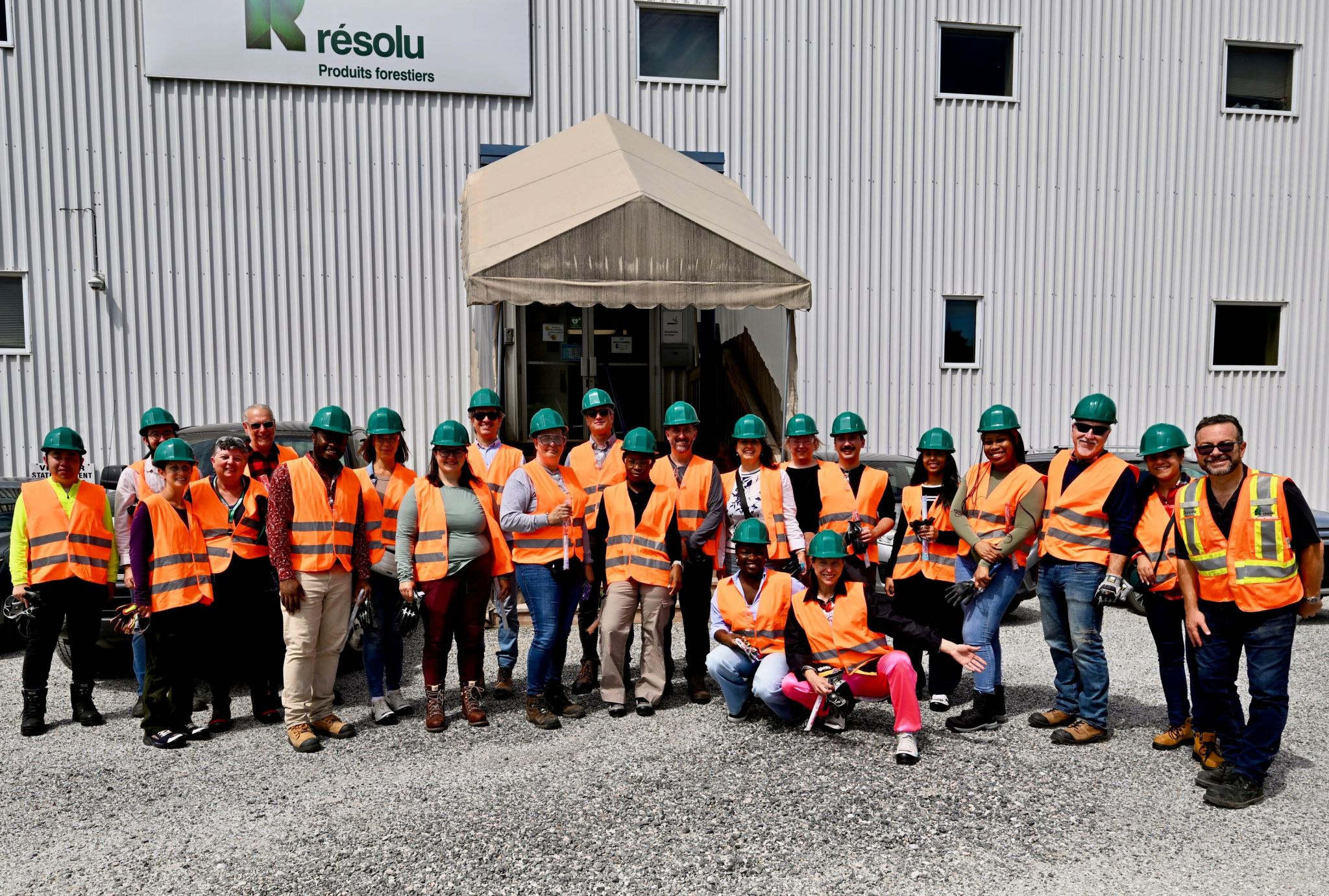
In July, FPAC and the Canadian Wood Council (CWC) teams visited the Domtar and LP mills in Maniwaki, Quebec. This hands-on experience provided staff with a unique opportunity to observe member operations directly, allowing deep understanding of the sector and the dedication of those working on the ground. We continue to reinforce our strong team culture through collaborative work environments, opportunities for growth and development, social activities, and community engagement.














.png)