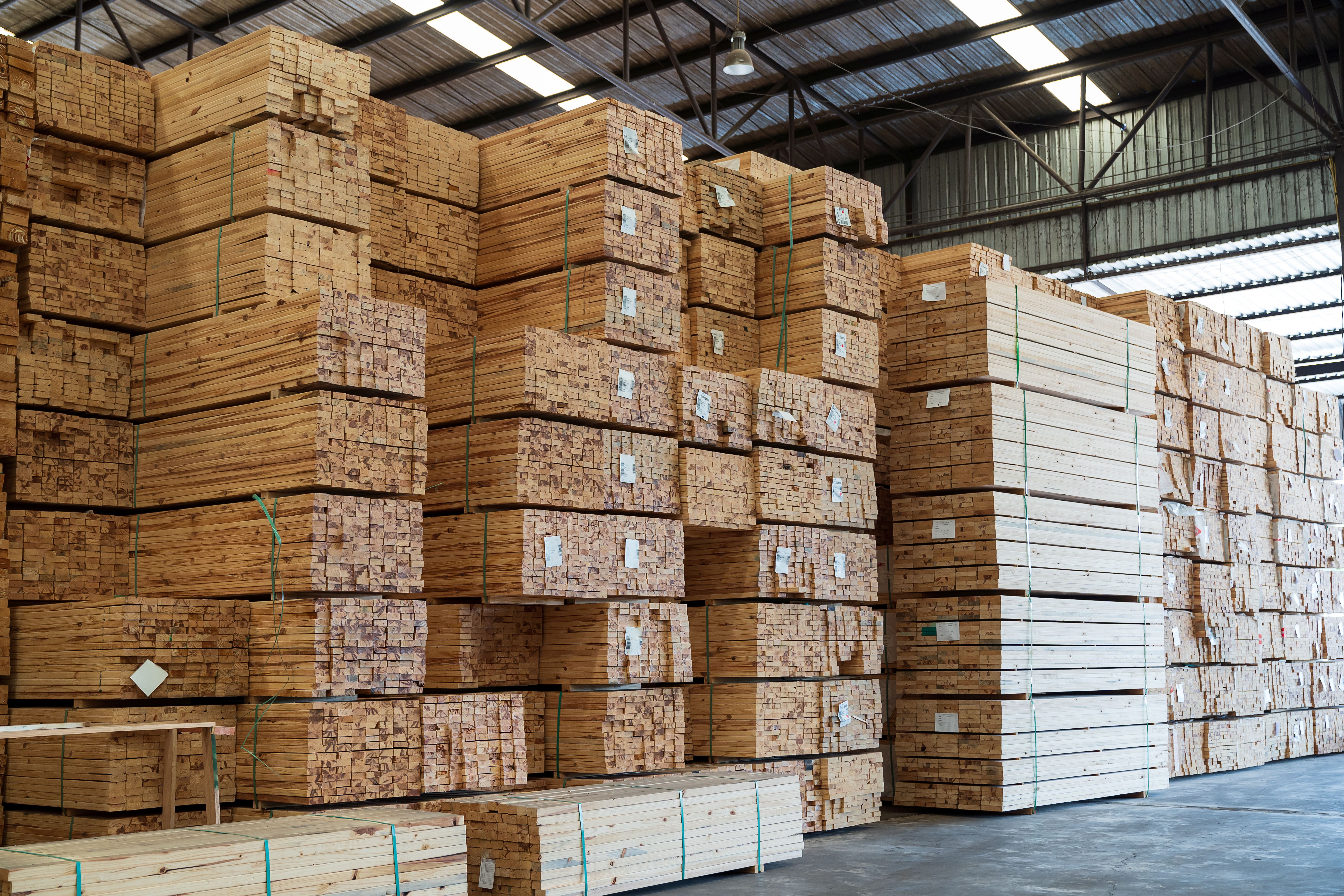
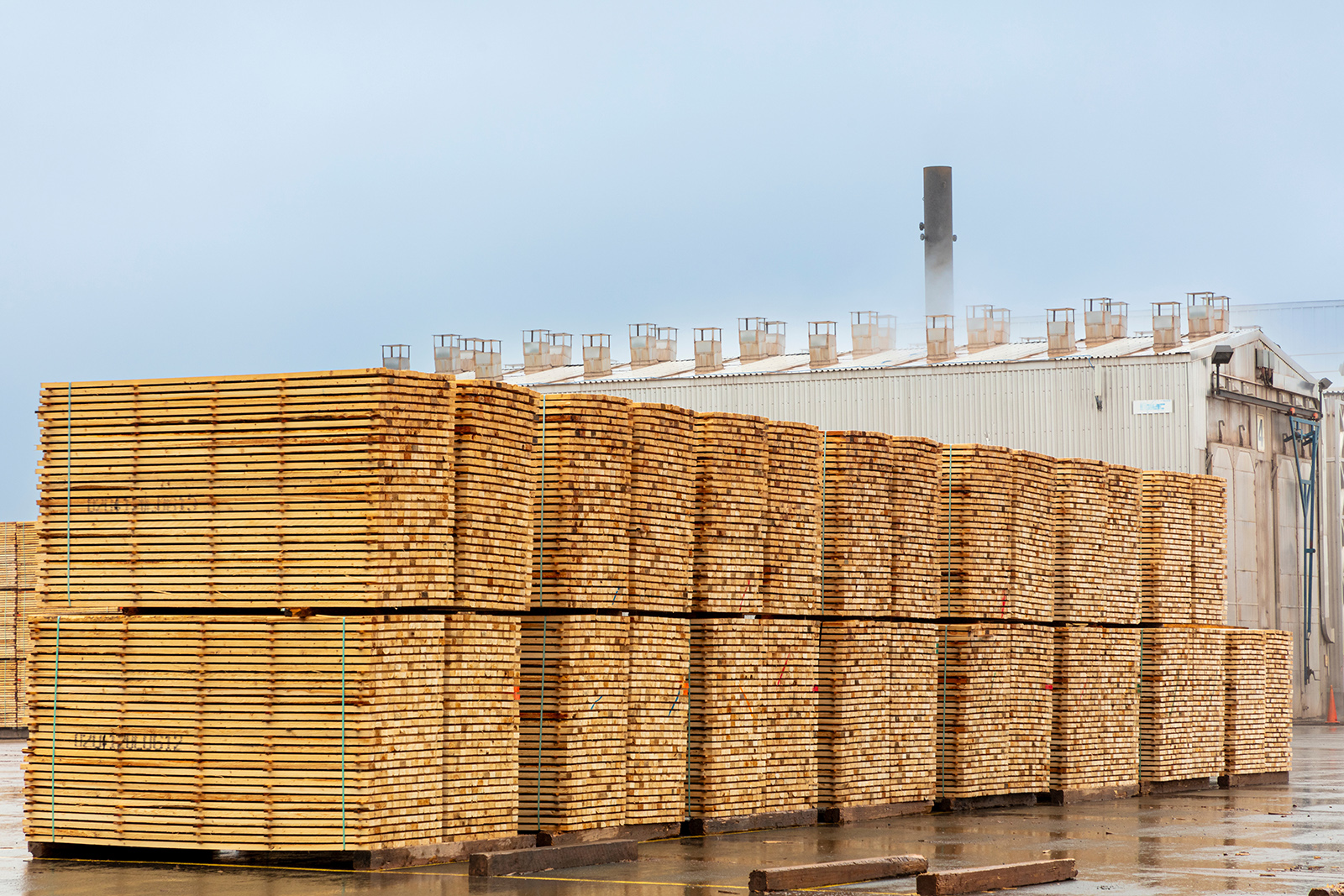
Finding uses for every part of a harvested tree can create renewable heat and electricity that will help power cleaner communities.
Seeing Investment Tax Credits (ITCs) for biomass projects come into effect is a welcome, long-overdue step for Canada’s forest sector. After years of uncertainty, the measure offers a starting point to restore investor confidence.
Biomass projects give new life to forest residuals — materials like bark, sawdust, and wood chips — by turning them into reliable, locally sourced heat and electricity. These biomass projects can modernize mill operations, sustain and grow jobs in rural and northern communities, and strengthen Canada’s position as a secure producer of renewable resources.
Canada’s forestry industry directly employs almost 200,000 Canadians and supports an additional 200,000 jobs in transportation, maintenance, and manufacturing across the country. Hundreds of rural and northern communities depend on a strong forest sector.
“Forest biomass energy production has the potential to provide Canadians with sustainable sources of heat and power while creating jobs for rural and urban communities. We are grateful that Government and Opposition parties recognized that passing the biomass ITCs is an easy win for Canada’s economic growth, energy sovereignty, and decarbonization,” said Derek Nighbor, President and CEO of Forest Products Association of Canada (FPAC).
Investment Tax Credits for biomass projects have the potential to unlock:
- An estimated $6 billion in biomass projects throughout the life of the ITC;
- Thousands of high-paying jobs in northern and rural communities;
- A significant contribution toward Canada’s clean electricity and emissions targets; and
- Critical mill modernization across the forest sector.
Seizing this opportunity is essential to restoring confidence in our national supply chains and reinforcing Canada’s role in the global economy.
Background information
We Grow to Build Canada: A Forest Sector Action Plan
About FPAC
FPAC provides a voice for Canada’s wood, pulp, and paper producers nationally and internationally in government, trade, and environmental affairs. As an industry, we contributed $21 B in real GDP in 2024.
Canada's forest products sector is one of the country’s largest employers—providing nearly 200,000 direct jobs and operating in hundreds of communities across the country. Our members are committed to collaborating with Indigenous leaders, government bodies, and other key stakeholders to develop a cross-Canada action plan aimed at advancing forest health, while supporting workers, communities and our environment for the long term.