This piece was originally published in Policy Magazine: Strengthening Canada's Forestry Sector with Canadian-Made Solutions - Policy Magazine
The current threat of an additional 25% U.S. tariff facing Canada’s forest sector is an urgent wake-up call to improve our nation’s competitiveness and infrastructure, and to diversify export markets.
Forestry has long been a cornerstone of the Canadian economy. Forestry’s economic, environmental and social benefits come from the more than 200,000 Canadians directly employed in the sector, living and working in hundreds of communities across the country, and generating $87 billion in revenue annually.
The additional U.S. tariffs on Canadian lumber looming for April 2nd are not an isolated incident but rather an escalation of existing trade tensions. The United States already charges an average of 14.4% in combined countervailing and anti-dumping duties on most Canadian softwood lumber manufacturers, and there are plans to increase these duties again in August. Canada, in contrast, has not traditionally imposed tariffs or duties on US softwood lumber imports.
Our nation’s natural resources are Canada’s global competitive advantage. In recognition, the federal government has created integrated sector strategies for critical minerals, cement, and electricity. Implemented in collaboration with provincial, territorial, Indigenous, and industry partners, these strategies respond to shifts in domestic and global markets, technologies, and geopolitical considerations. These natural resource sector strategies are critical to a more secure, more sustainable, and more competitive economy. Forestry is an important part of that economy but has not been part of the underlying strategy.
Forestry needs a National Forest Sector Strategy
Canada’s forestry communities are on the front line of Canada’s economic identity, providing innovative “made-in-Canada” essentials that address our most basic needs, including affordable housing, biofuel, household paper and packaging products, diapers and other hygiene products. It’s high time that we recognize forest sector employees and the contributions they make to the rest of Canada by ensuring we have a clear national plan for sector and employment growth.
FPAC has been proactive in providing the Canadian government with proposed strategic measures to mitigate the impact of proposed 25% tariffs on Canada’s forest sector. Of the 23,000 Canadians surveyed surveyed by Forestry for the Future between September 2023 to January 2025, 89% support the creation of a National Forest Sector Strategy. This proposed Strategy would include measures to:
- build more homes using Canadian wood products;
- convert “wood waste” into biofuels for power;
- open new international opportunities for Canada’s wood products; and,
- cut red tape and regulatory barriers.
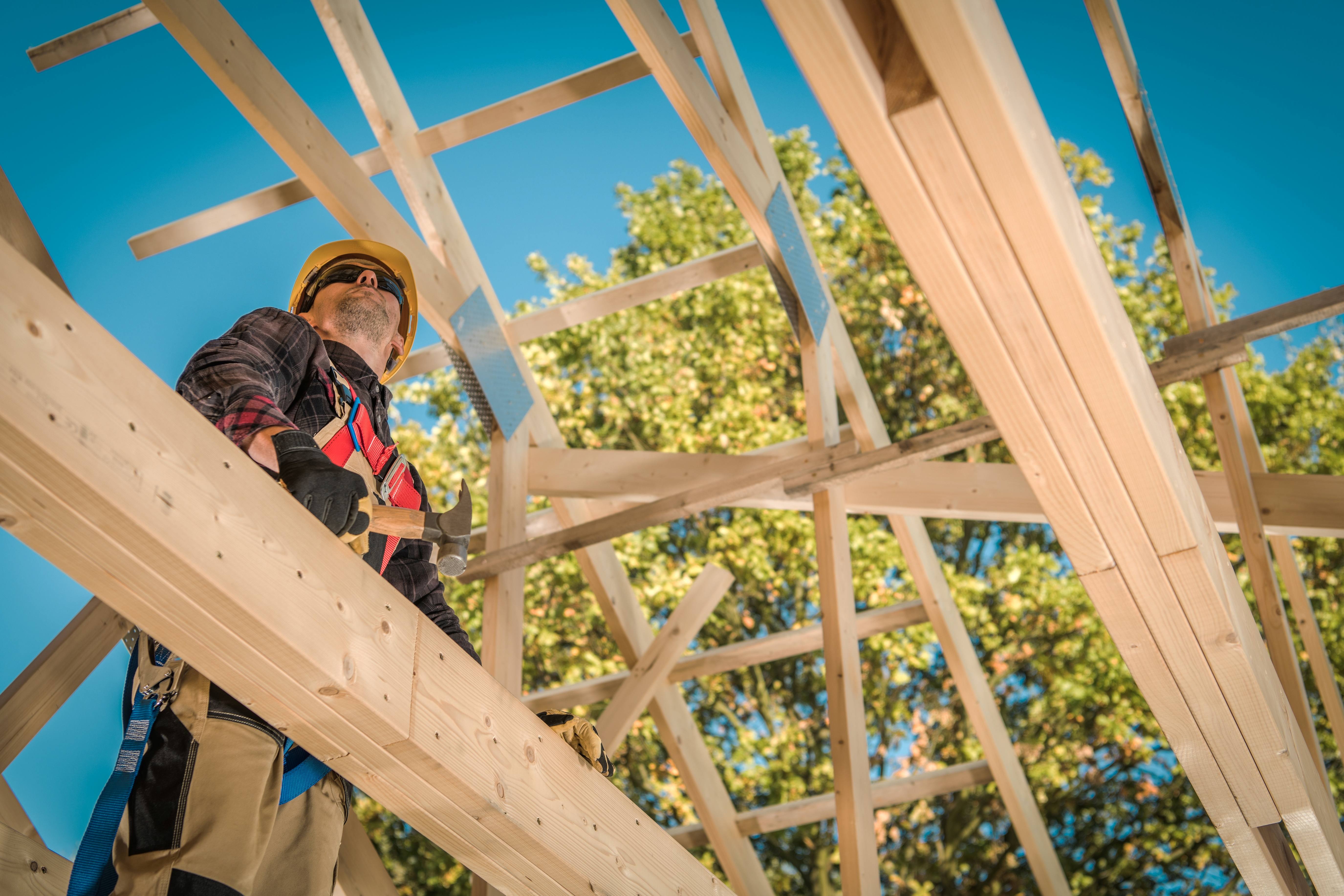
By prioritizing the use of Canadian wood in infrastructure and housing projects, the government can not only strengthen the domestic industry but also accelerate the construction of more affordable housing units across the country. This approach aligns with the broader goal of enhancing the sustainability and resilience of the Canadian economy.
As we convert wood waste into energy, we need to advance biomass and pulp market opportunities. The long-promised Clean Investment Tax Credits for Biomass Conversion can drive innovation, investment, and job creation in Canada’s forest bioeconomy. In leveraging these opportunities, Canada can position itself as a leader in sustainable forest management and bio-based industries, contributing to global efforts to lower carbon emissions.
Strengthening trade resilience is increasingly paramount. FPAC advocates for the reinstatement of full funding for market expansion programs such as Canada Wood, which can open new international opportunities for Canadian forest products. Diversifying export markets will reduce dependency on the US market and enhance the sector’s ability to withstand trade disruptions.
Finally, environmental and land-use policies must remain science-based and not impose unnecessary restrictions that hurt the creation of jobs, investment, and sustainable forestry operations. A balanced regulatory framework that cuts red tape and regulatory barriers is crucial for maintaining the competitiveness of the Canadian forest sector while safeguarding environmental standards.
The forest sector remains committed to collaboration with Indigenous leaders, governments, labour partners, and other key stakeholders for developing a cross-Canada action plan that supports forest health and creates opportunities for employees and forest-dependent communities for the long term.
The unjust tariffs threatened by the American administration (in addition to the existing duties on softwood lumber) are a real risk to Canada’s forest sector and the broader economic relationship between the two countries. FPAC supports the federal, provincial and territorial governments in their swift tariff response, including firm countermeasures.
However, for the forestry sector’s long-term health, the solution lies in domestic policy. With a robust response, Canada can mitigate the impact and emerge stronger. Expanding domestic wood use, advancing biomass and pulp market opportunities, strengthening trade resilience, and cutting regulatory barriers are critical steps in this journey. The Canadian government, industry leaders, and stakeholders must continue to work together to ensure a fair and sustainable future for the forest sector.