This piece was originally published in Policy Magazine: On Being Canadian: Seeing the Forest - Policy Magazine
What symbol of “being Canadian” is greater than the red maple leaf on our flag? Its deep-rooted significance is a direct link to the natural beauty of this country, to the forests around us, and to the values those forests have represented for generations of Canadians.
The maple leaf has been associated with Canada for centuries, originating with Indigenous Peoples who relied on the maple tree for food and saw it as a sign of the land’s richness and spiritual importance. Over time, the maple leaf became an emblem of Canadian unity, resilience, sovereignty, and freedom.
That red maple leaf has come to signify Canadian values such as pride, loyalty, courage, and peace. It is a symbol recognized globally as shorthand for both Canadian nature and the nature of Canadians, and one that so many of us proudly display when we travel internationally.
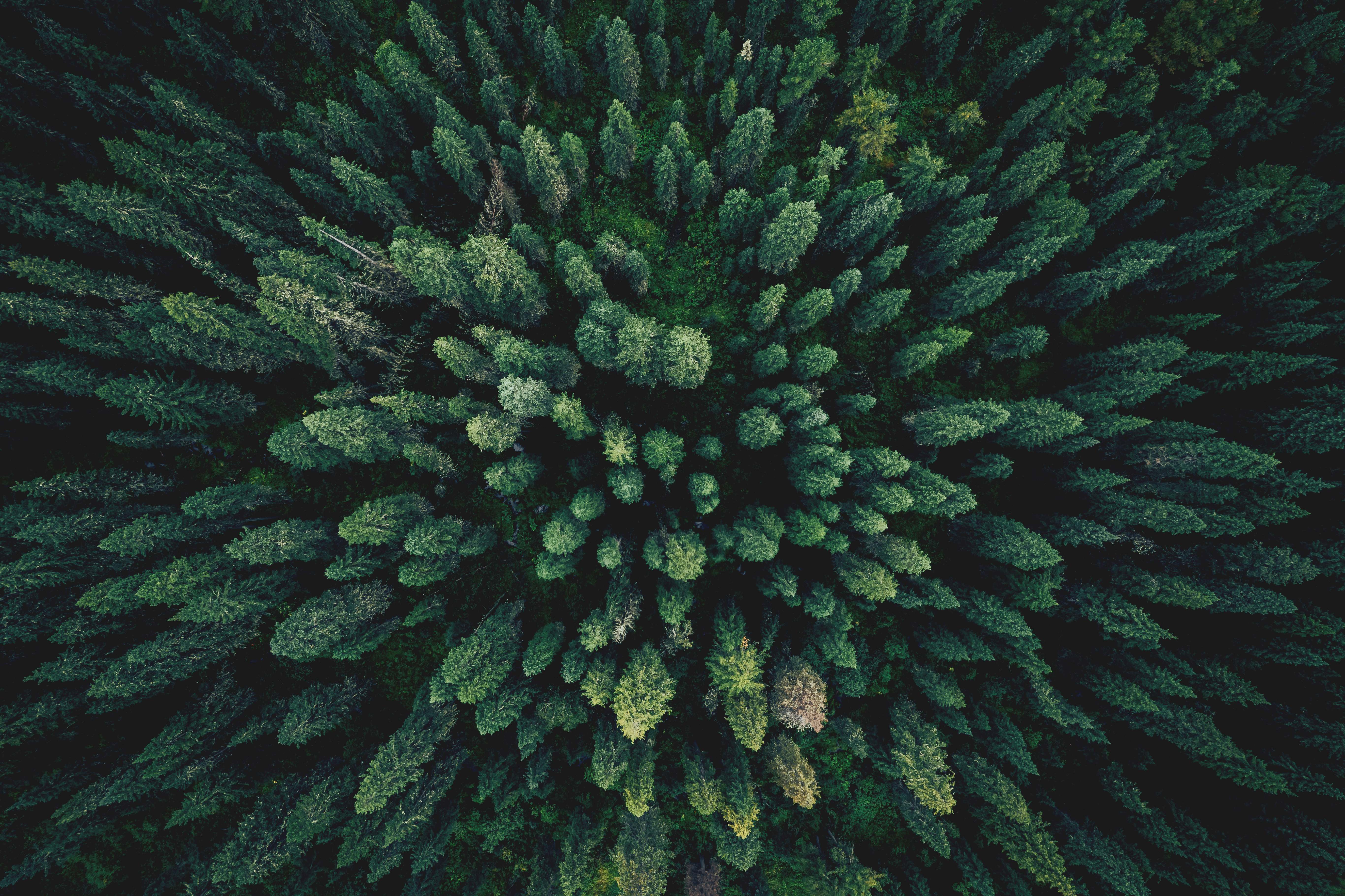
Canada is home to nearly 347 million hectares of forest, which account for about 9% of the world’s forests. As I travel this week across the northern boreal to visit mill and woodlands employees and local community leaders, I’m reminded of the vastness of our forests, the 200,000 direct jobs and families that rely upon them, and how the resilience of those workers is part of both an ever-evolving story and my sense of self as a Canadian.
Nearly 40% of Canada’s landmass is covered by trees, making forests not just a prominent feature of our geography, but also a defining element of what it means to be Canadian. Throughout generations, the forest sector has been the backbone of our economy, cultural identity, and our evolving relationship with the land.
Forests are reservoirs of our heritage and culture. Indigenous Peoples have recognized the many values of forests for millennia, regarding them as sources of sustenance, shelter, medicine, and spiritual renewal. For them, and for us today, forests are living archives, testimonies to resilience and adaptation.
Since the early days of our nation, Canadians have drawn inspiration from forests. From the peace of a quiet stand of trees to the pull of the Canadian wilderness – writers, poets, artists, storytellers, musicians, and adventurers have all used the forest as a setting for exploration, a metaphor for struggle and resiliency, and a place for pause and reflection
Canadian forests are embedded in our cultural mythology, from Menaud, maître draveur, to the wiigwaasabak Anishinaabe birch-bark scroll, or “Tree of Life”, to Up in the Tree, the children’s book by Margaret Atwood — who spent much of her childhood in the forests of Northern Quebec — to the classic National Film Board short, The Log Driver’s Walz.
Our connection to our forests has also informed our role in the world beyond commerce, and beyond symbols. Canada is widely viewed as a country that exerts influence on the world stage beyond what its population and military spending alone would suggest. So, it’s no surprise that Canadian forestry played an important role in the First and Second World Wars.
In World War I, approximately 24,000 men served as part of the Canadian Forestry Corps in various parts of Europe to work on processing timber for construction of barracks, roads, trenches, ammunition boxes, coffins and other supplies. When a request was made for 500 of those men to take up infantry duty, records show that almost 1,300 volunteered. By the time the offensive had been halted, most Corps members had served in some capacity on front lines.
In 1940, the Canadian Forestry Corps was re-established in response to the start of WWII to play the same role. Once again, thousands of volunteers came forward, many of them veterans of the First World War. Thirty companies were drawn from all regions of Canada – made up of men who willingly went from the back bushes of rural Canada to the front lines of war.
The legacy of our forests and the people who steward them represents endurance, growth, renewal, and the infinite potential of coexistence between humans and nature. Yet, the space forests fill in our collective psyche is not merely the product of nostalgia or romance. It is a living reality and a pressing concern for our future.
I grew up in Pembroke, Ontario where our junior hockey team is still called the Lumber Kings. Both my grandpa and dad were pulp and paper machine operators. That same corrugated-box plant floor is where my brother spent the first 10 years or so of his career. It’s where I worked during the summer to help pay for university – and where I honed my negotiating skills in finding people willing to trade shifts with me so I could work midnights (to secure the 60-cent-an-hour shift premium and to have a bit more freedom on Fridays).
It wasn’t all work and no play. Many local social functions centred around the plant and neighbouring manufacturing facilities as well. The annual community industrial curling bonspiel at the Pembroke Curling Club was always a favourite – where walking away with a few steaks meant you had a pretty good day on the ice.
The lessons of living in a community where the benefits of active forest management were clearly understood and knowing a forestry job was a well- paying, family-supporting job has stayed with me throughout my life.
Having visited many northern and rural communities over the course of my life and even more during my nearly 10 years leading the Forest Products Association of Canada, I’m reminded of how forestry continues to be the backbone of hundreds of towns and small cities across the country.
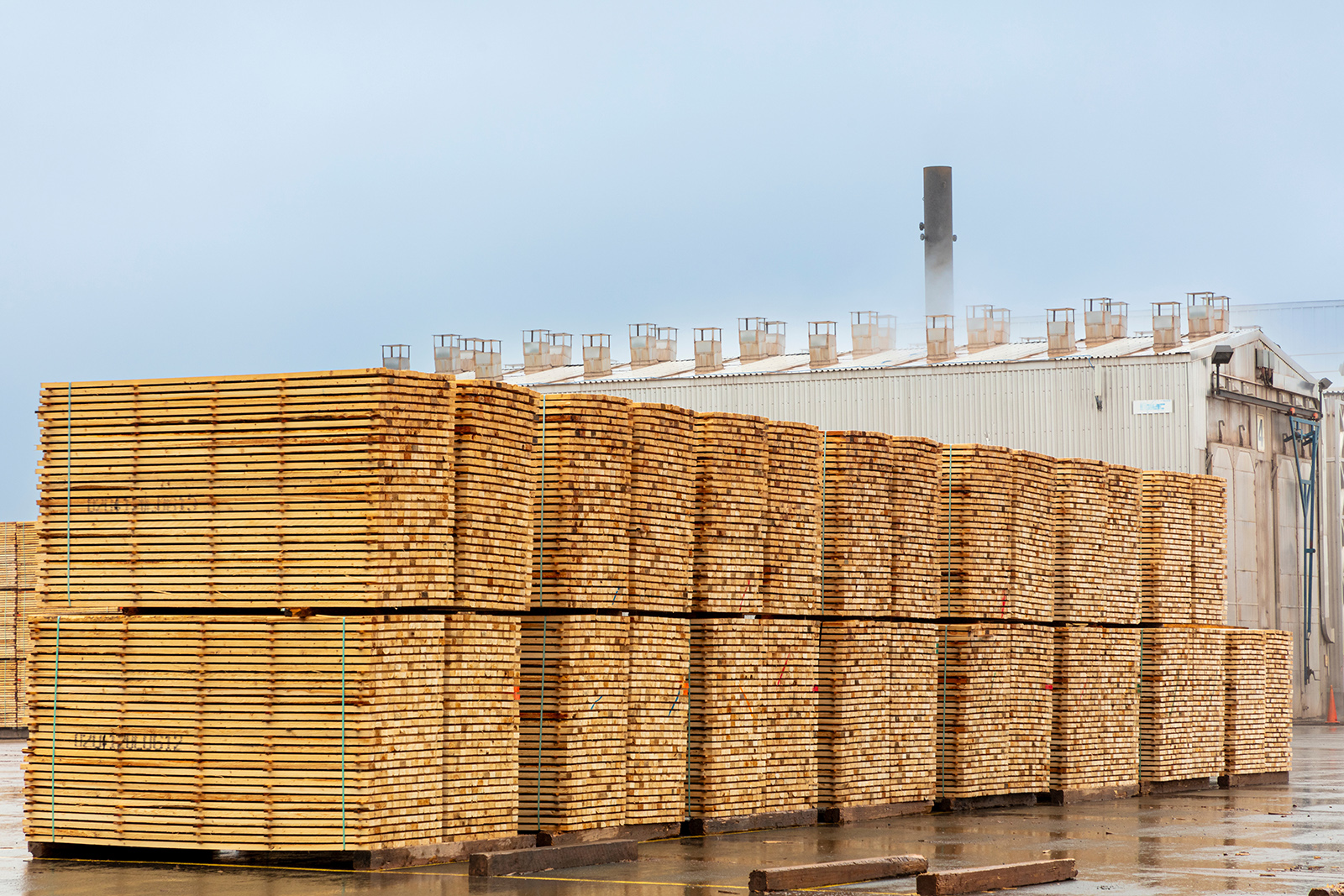
As I write this, I’m in Chetwynd, BC. A community of 2,500 in the eastern foothills of the Canadian Rockies — over 1,000 kilometres north of Vancouver. The town’s mill supports hundreds of jobs with over $17 million in annual paycheques and another over $30 million benefiting local contractors and services. Spending the afternoon with employees here reinforced how critical these jobs are to the prosperity and potential of the people and families who call this beautiful place home. The work the mill’s woodlands team is doing is renewing area forests, supporting forest ecosystems and wildlife, and keeping this part of northeastern BC safer from wildfire risks.
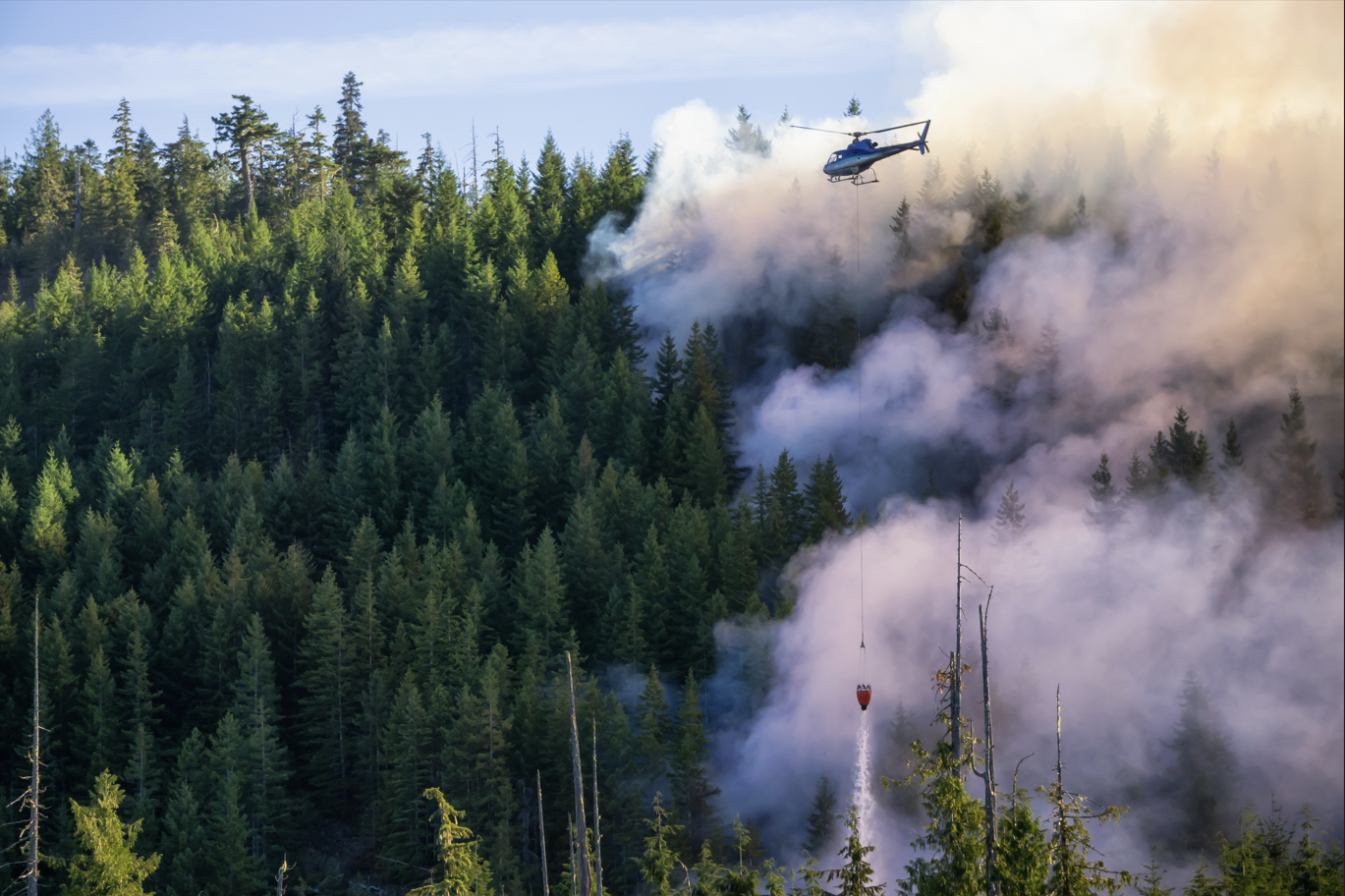
As we endure another devastating wildfire season across Canada, there is more discussion at the community level about turning to more active forest management as a solution — to reduce fuel loads by more active thinning, prescribed burns, and building fire breaks around communities to protect Canadians and critical infrastructure.
Today, as the resilience of Canada’s forests and our forestry communities are being challenged by not only wildfires, but also geopolitical tensions and trade headwinds, I am asking: How do we dig deeper for homegrown answers to remaining Canadian, economically and politically, as well as in our hearts?
We learned valuable lessons during the pandemic about the importance of self-reliance and the need to do more here at home with our Canadian-grown resources.
The federal government’s commitment to improving Canadian industry’s competitiveness globally, the call to use more Canadian wood in domestic housing and government procurement plays, and the importance of diversifying products and markets all present windows of urgent opportunity as we consider the role our forests and forest-dependent communities can play in the decades to come.
Like energizing our rediscovered nationalism and pride as a country, it’s time to unlock the potential of our forests to deliver even more for not only rural and northern Canada, but the entire country.
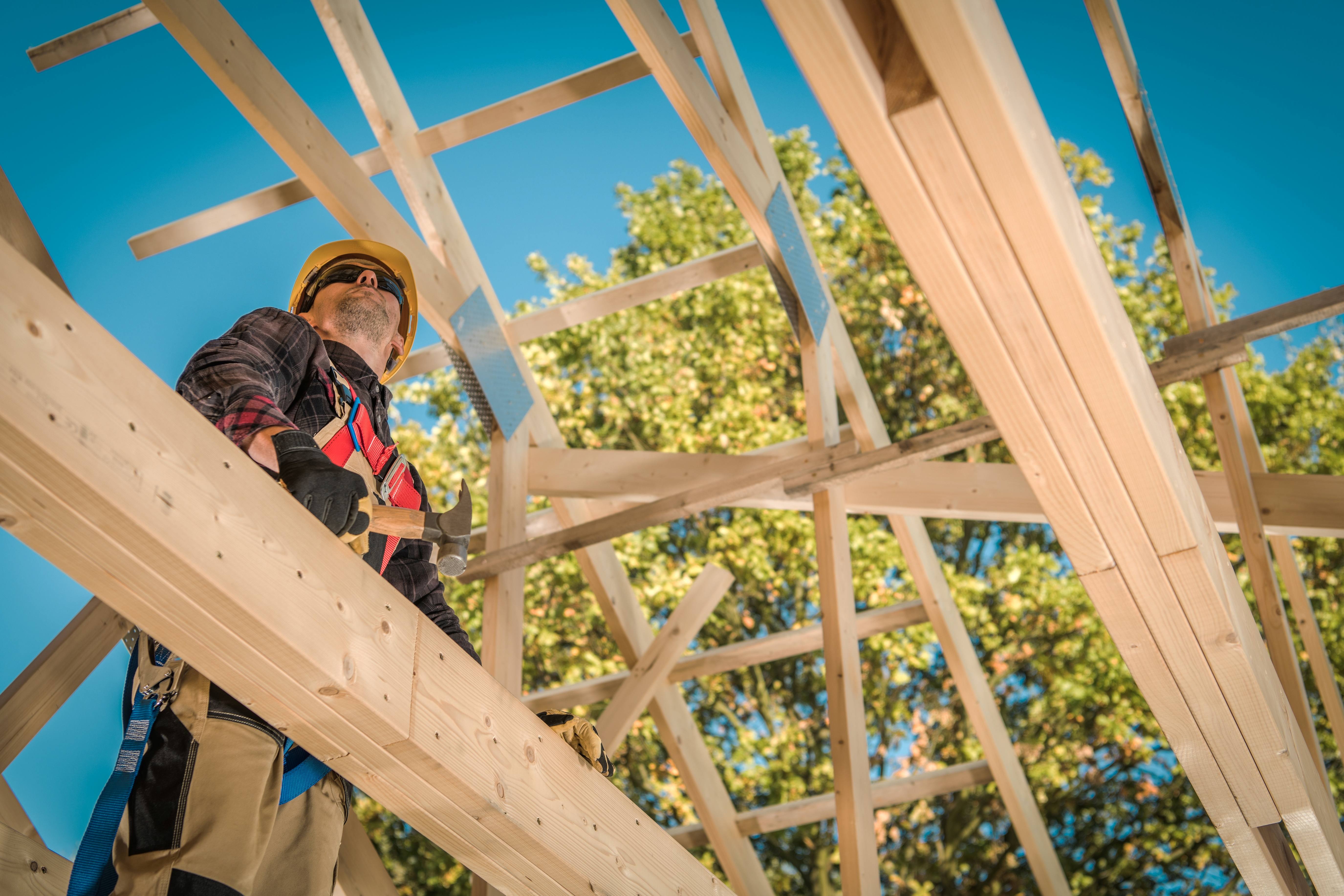
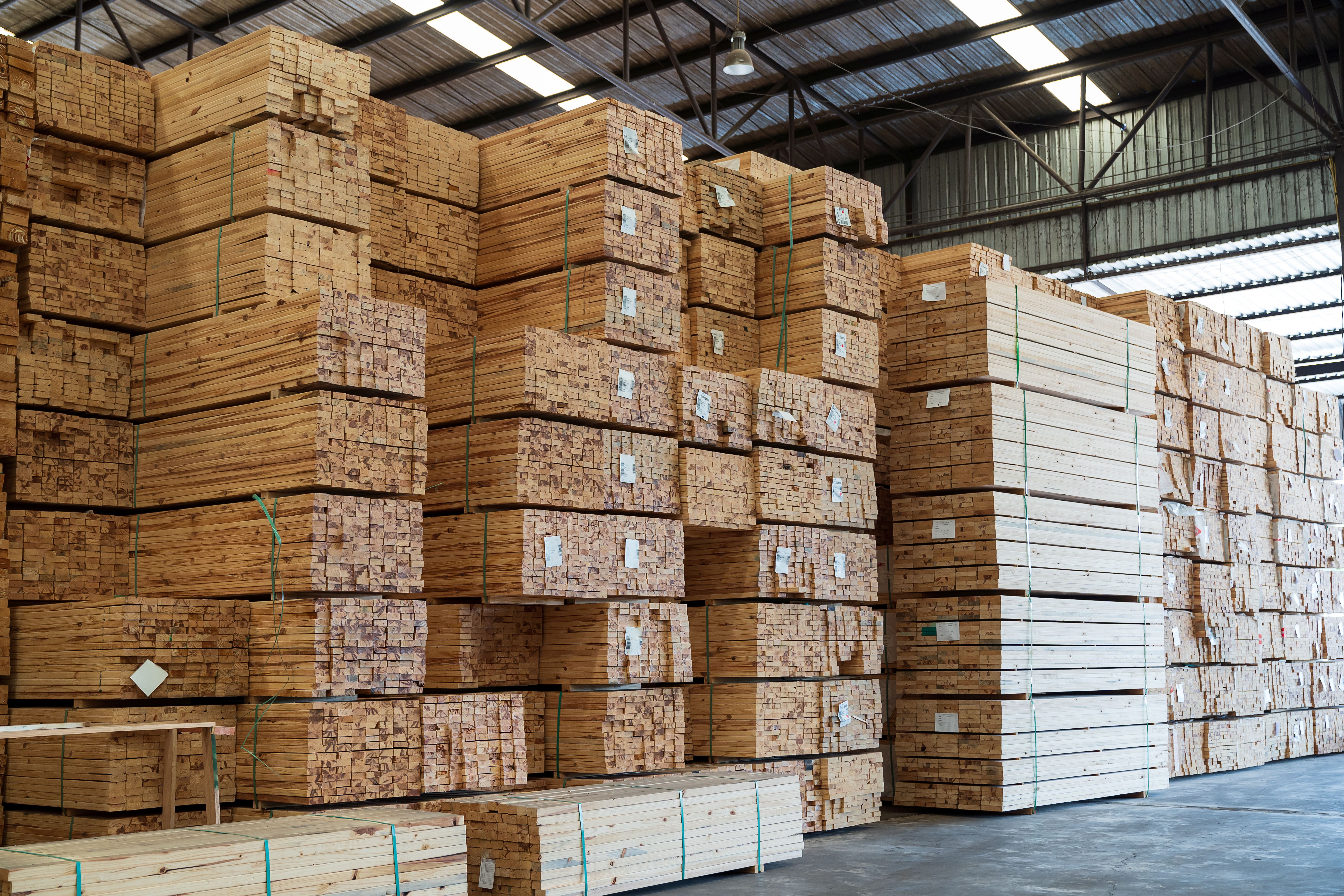
In a world in which Canada’s exportable natural assets are being besieged by avoidable uncertainty, Canada’s forests are our most sustainable, renewable resource. Canada’s forest bioeconomy — including lumber, engineered wood, mass timber, pulp, paper, bioenergy and other biomaterials, is rooted (pardon the pun) in getting value from every part of the harvested tree. Canada’s forests not only sustain our trees, wildlife and clean water, they are the bounty that can deliver badly needed affordable housing quickly from modular builds to suburban and infill developments, from new seniors’ complexes to new housing on military bases.
Canada’s forest bioeconomy is distinguished by its efficient use of resources, breakthrough applications in materials and energy, embrace of economic circularity, focus on Indigenous leadership, and measurable environmental benefits — all pointing to a greener, more diversified economy with global relevance for now and tomorrow.
To me, being Canadian means having a privileged relationship with nature, especially with our trees and forests. This powerful connection has supported the framing of my values, my sense of belonging, my pride in this sector of our economy, and my hope for the future.