Canada and the EU must resolve unreasonable EUDR approach
OTTAWA – As Prime Minister Carney prepares to address the European Parliament and advance a strengthened Canada–European Union security and trade partnership, Forest Products Association of Canada (FPAC) is urging Canada and the EU to use this moment to address existing trade barriers, including the European Deforestation-free Product Regulation (EUDR) scheduled to take effect later this year.
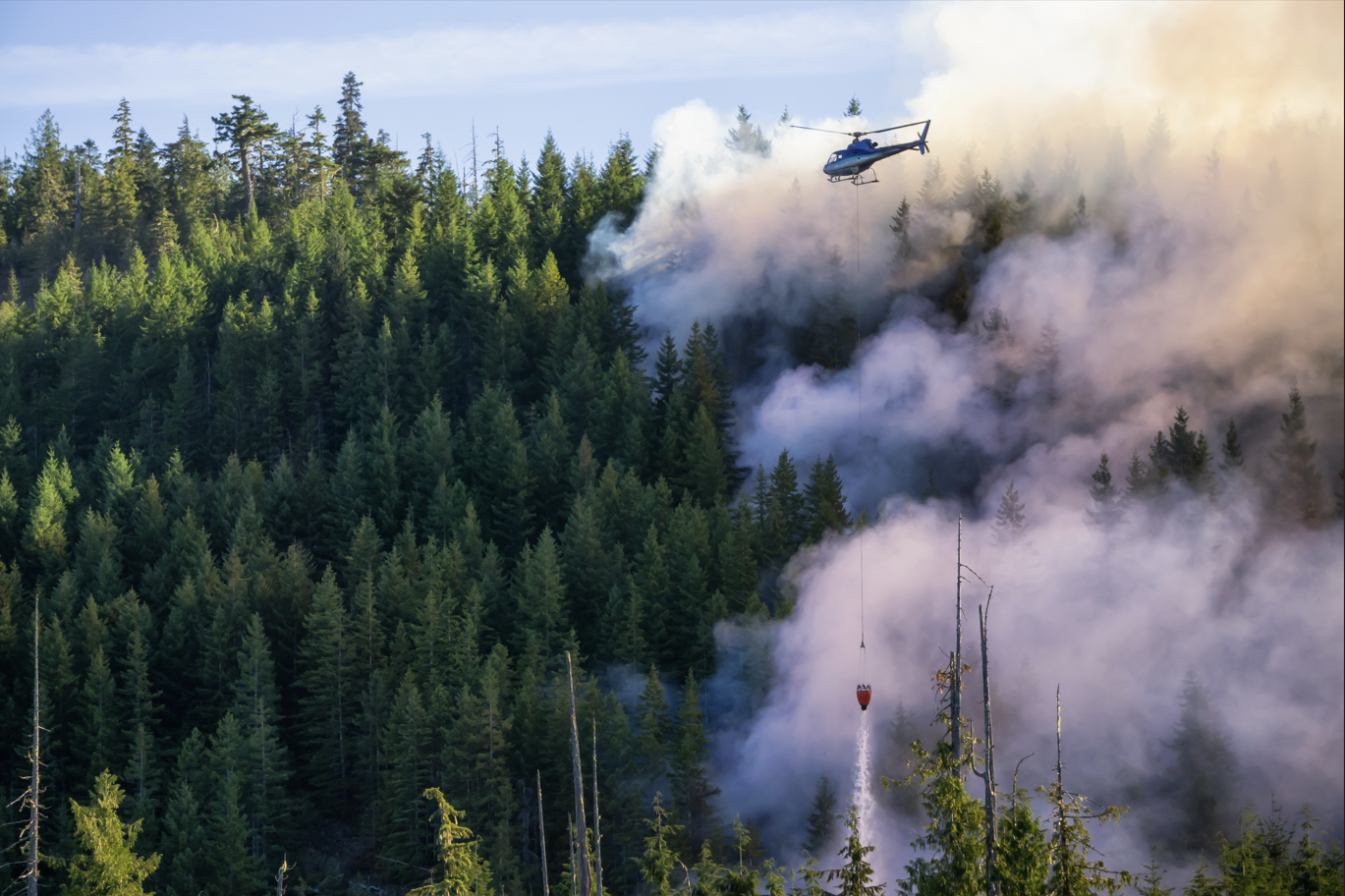
No one disputes the intent of EUDR and Canada and the EU share a commitment to sustainable trade, climate action, and responsible natural resource development. The current EUDR approach fails to recognize the robust frameworks governing forestry in Canada, including third-party forest certification, Indigenous leadership in Canadian forestry, and the importance of active forest management to address catastrophic wildfire risks.
In its current form, the regulation risks imposing tens of millions of dollars of unnecessary costs on Canadian producers, small woodlot owners, and integrated forest product supply chains without delivering any real benefit.
Requirements related to plot-level traceability, large data uploads, and treatment of forest residuals are creating practical challenges for low-risk exporters like Canada, Australia, and New Zealand, and creates more operational uncertainty for forestry businesses, employees, and contractors. Similar concerns exist for Canada’s soy and cattle industries.
“The Canada–EU relationship has long been built on trust, shared values, and a commitment to rules-based trade and we have an opportunity before us to make this connection even stronger,” said Derek Nighbor, President and CEO of FPAC. “As Canada and Europe deepen cooperation on trade, security, energy, housing, and climate action, it is essential that the EUDR be implemented in a way that recognizes Canada’s long-standing commitment to sustainable forest management, its world-leading position in third-party forest certification, and our growing wildfire risks. Canada’s forest sector supports the EU’s commitment to combatting global deforestation and sustainability and is seeking an evidence-based approach to achieve this goal,” Nighbor added.
FPAC is calling on EU decision-makers to adopt targeted simplification measures for low-risk trading partners, including recognition of negligible-risk countries, streamlined geolocation and traceability requirements, and practical treatment of forest residuals and by-products that are already part of circular, sustainable forest product value chains.
“Getting this right matters,” Nighbor said. “A workable EUDR can promote sustainable forest management, enable reliable trade, support climate action, and accelerate the affordable housing agenda. And it can be effective in addressing global deforestation. We look forward to seeing a more durable path forward for Canadian exporters, European customers, and the thousands of families connected to Canadian forestry,” he added.
Read more
· Deforestation in Canada: Key myths and facts (source: Natural Resources Canada)
· European Union (EU) Commission Proposal on EUDR misses the mark
About FPAC
FPAC provides a voice for Canada’s wood, pulp, and paper producers nationally and internationally in government, trade, and environmental affairs. As an industry, we contributed $19.9B in real GDP in 2025.
Canada's forest products sector is one of the country’s largest employers—providing nearly 200,000 direct jobs and operating in hundreds of communities across the country. Our members are committed to collaborating with Indigenous leaders, government bodies, and other key stakeholders to develop across-Canada action plan aimed at advancing forest health, while supporting workers, communities and our environment for the long term.