Lessons from my Silviculture Work Experience
Let’s face it - starting a new job can be scary, especially when joining a company as a summer student. You're potentially beginning employment at a place you hope to build your career. There is a real pressure you put on yourself associated with having university education heading into summer employment, you feel like the company will expect you to know intricate things about the industry, things school just can't cover.
I'd like to put being a student of forestry without real field experience like this: imagine someone explaining to you what a tree looks like, without ever having seen one before; you understand the tree as having protrusions in the form of branches and roots, and green things called leaves, but you may struggle to piece it all together into a cohesive picture. To me, this was understanding theory-based forestry content, without any idea of how the content and processes work together, and where my internal pressure to perform came from.
So what's the good news? My first few weeks of employment as a silviculture summer student were guided by supervisors who took the time to make sure my mental ‘tree’ looked right. Supervisors explained how the branches and the leaves and the roots I had learned about in my schooling worked together in a real-world context. The rest of this blog is a guide to what an individual starting as a summer student in silviculture forestry can expect as told through the beginning of my employment at West Fraser, to help build your picture of our tree.
The first day at any job is always the most intimidating and anticipated day of the season. Summer students, both in the silviculture group and operations, were brought together with supervisors and superintendents to welcome us and set expectations for our employment. The supportive environment created by our supervisors helped us summer students quickly build comfort and trust.
West Fraser training week was held in a central location, bringing in new summer employees from across the province to take part in courses. The courses we were enrolled in spanned a broad range of topics- but they covered the basic skills needed to be successful working in the bush. The natural world, as we know, has so many unknowns and training week gave me the confidence to begin completing field work.
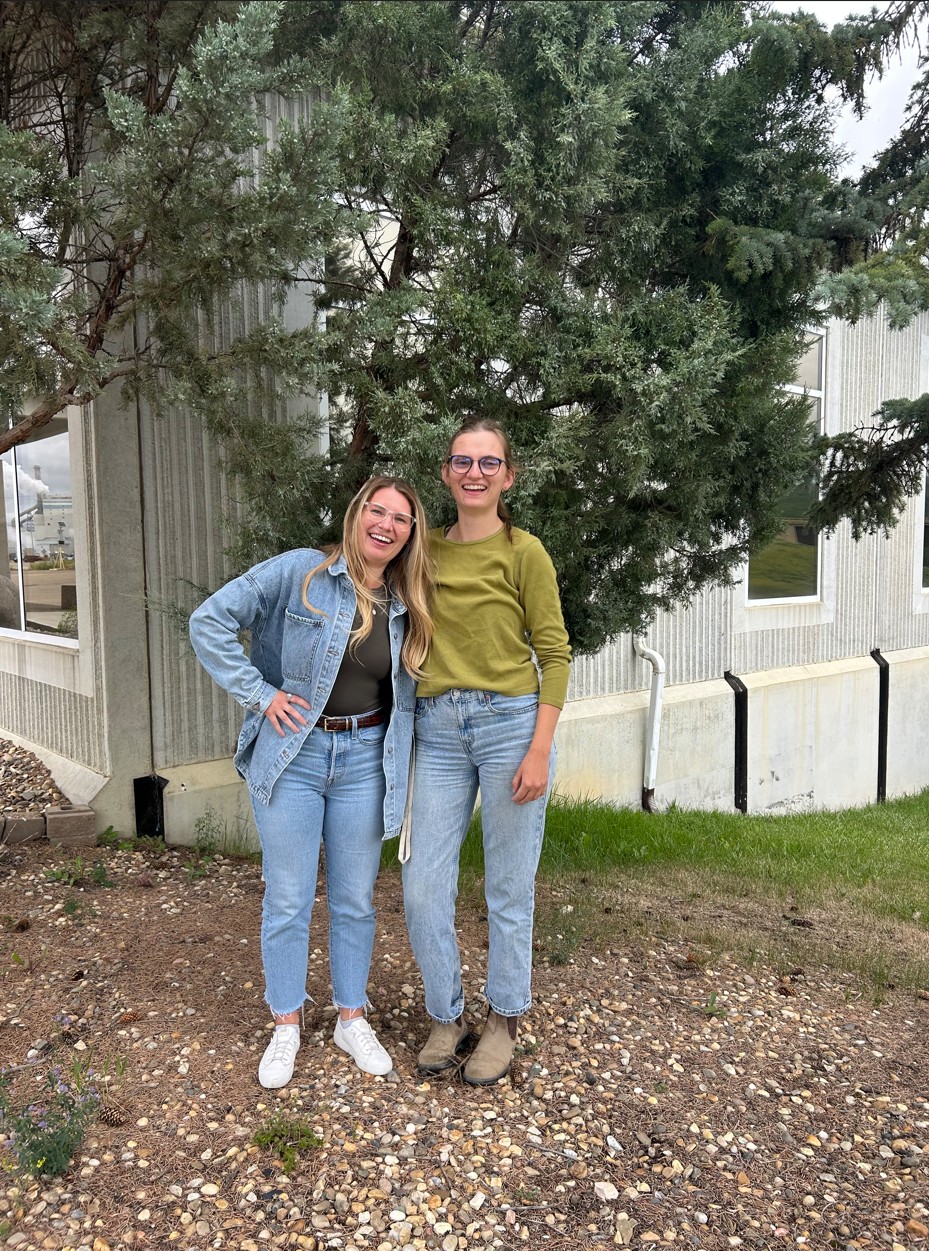
Instructors taught us courses spanning from bear safety to advanced driving courses. This developed a few key branches towards feeling safe and prepared for field work. An important aspect of the training week was the ability to meet the students, all future foresters, colleagues, and friends through training exercises and after work dinners. These people, I like to call my leaves- a group of individuals all working hard to photosynthesize- all of us contributing to the growth of the larger body.
Forestry student placements provide opportunities to connect with new like-minded individuals, most of whom enjoy the outdoors and all of the services it offers, as I do. Being able to create friendships, through interacting with each other over activities on the landscape is something I find extremely vital towards finding value in the everyday work in forestry. A large part of forestry has to do with reciprocal relationships with the land, and being able to respect the land as a steward and manager of the landscape. In order to respect the land- we must have a relationship with it. This concept is something I've explored through reading Robin Wall Kimmerer's works of Braiding Sweetgrass and The Serviceberry, books that have formed my central thoughts about interacting with the land.
In the first few weeks of my employment time spent with my fellow summer students climbing, camping, paddleboarding and enjoying the outdoors has undoubtedly altered my perception about my silviculture work. One could describe these experiences as the flowers on a tree, the flowers' beauty that is often overlooked in a world of the yield and growth of the tree's trunk.
Overall, the first weeks of silviculture work as a summer student has improved my skills and confidence in the woods, created friendships I hope that last a lifetime and has altered my view of how I fit into the environment and industry. Undoubtedly the things I have learned have added to the previous knowledge I had from university. My tree is now fruitful with more branches, leaves and flowers.