This piece was originally published in The Hub: https://thehub.ca/2025/09/19/derek-nighbor-from-decline-to-growth-getting-canadian-forestrys-swagger-back/
Canada’s forest-dependent communities are at a critical point. Rising global demand creates an opportunity to bring more Canadian wood products to the world, while simultaneously growing jobs, building more homes, and reducing fire risks here at home. But as the Canadian economy faces significant upheaval and needs to transform, the industry and its 200,000 employees can’t do it alone.
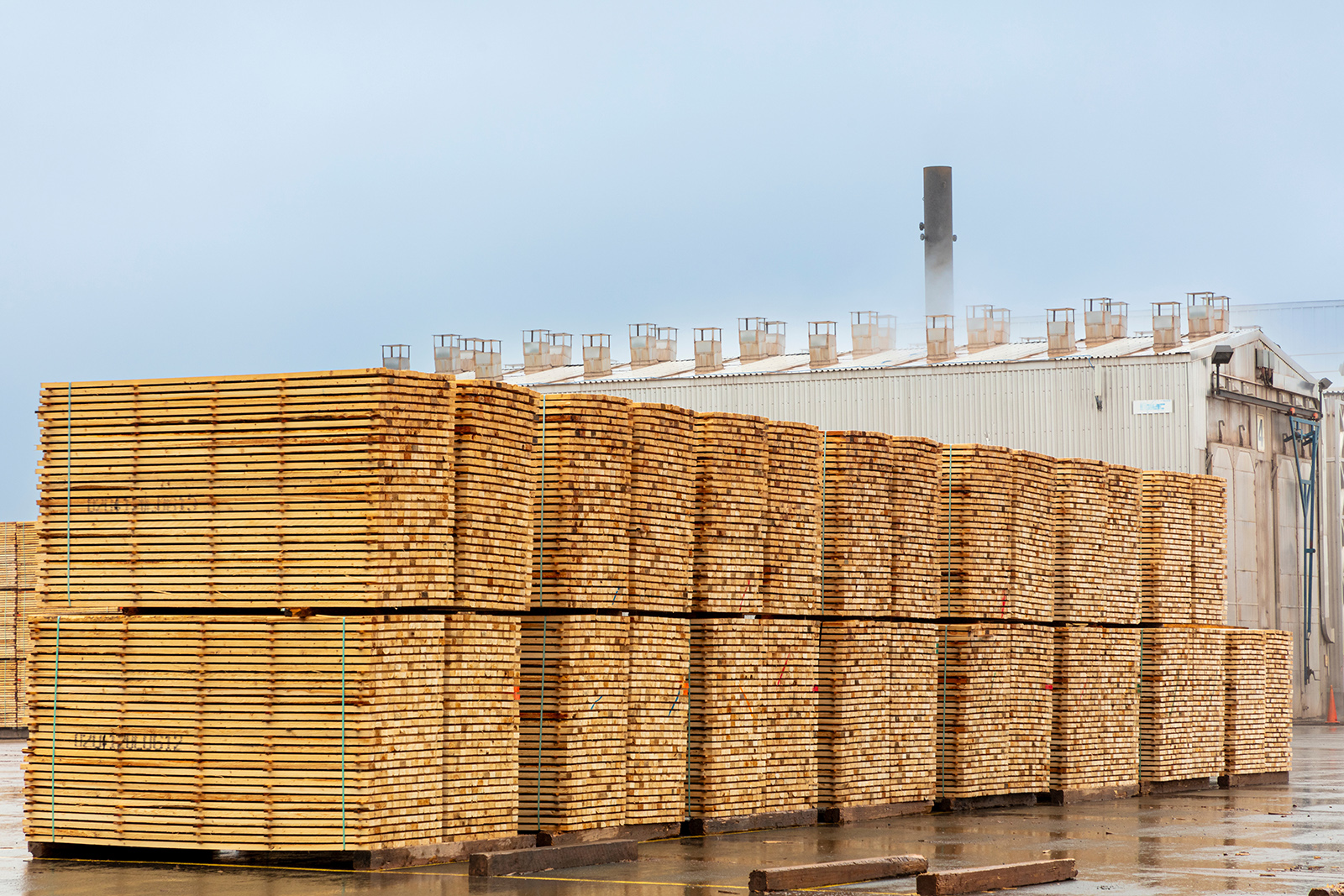
The current trade environment is volatile. Increased duties on softwood lumber exports to the U.S. and related trade uncertainty threaten Canadian forestry’s ability to deliver at scale. Thousands of jobs are at risk as trade negotiations continue.
The combined total of anti-dumping and countervailing duties on Canadian lumber now exceeds 35 percent. President Trump’s possible Section 232 “national security” probe into global wood exports could bring more uncertainty and higher tariffs, potentially affecting other segments of the forest products value chain.
Despite recent market and trade challenges, forestry is a lifeline for hundreds of Canadian communities, providing over 200,000 direct jobs, an additional nearly 200,000 indirect jobs, and generating $87 billion in annual economic activity.
Securing the best possible outcome at the Canada-U.S. negotiating table is job one. Exports remain the foundation of the sector and the livelihood of forest-dependent communities. Concurrent to that, we need the federal government to focus on the policy levers we can control.
The Canadian government can act now by implementing three priorities: building Canadian homes with Canadian forest products, facilitating trade through infrastructure development, and reclaiming competitiveness through smarter regulation.
Building Canadian homes with Canadian wood
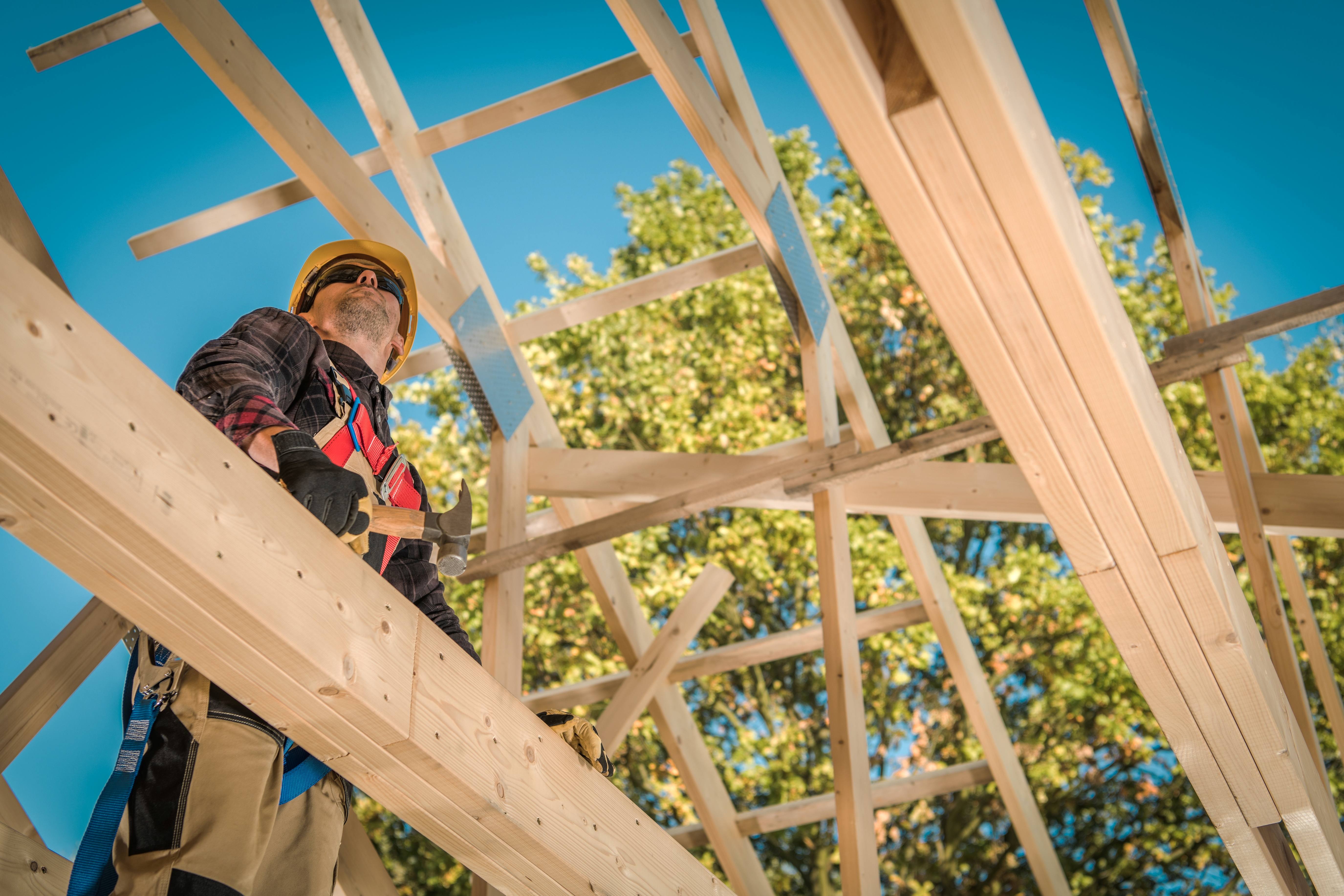
Canada faces a housing crisis that requires rapid, scalable, and sustainable solutions. Build Canada Homes is a unique opportunity to link housing demand with Canada’s wood supply and wood-based modern methods of construction, delivering faster, lower-carbon, and more affordable homes at scale.
Recognizing wood-based homebuilding products and approaches under Build Canada Homes drives predictable demand for Canadian forest products by leveraging federal procurement requirements and federal offtake agreements. Combining loan guarantees, concessional financing, and reformed progress payments would de-risk delivery and attract capital to the sector.
Furthermore, a streamlined national approvals system and a library of pre-approved designs would immediately reduce permitting and design timelines. With sustained, stabilized quarterly bulk purchasing, regional hubs could shorten production timelines for consumers, while also making scaling predictable for producers.
Policy-driven growth is possible: expanding building codes right across the country to use wood for up to 18 storeys and incentivizing mass timber use could double Canada’s structural wood demand over the next decade. Designating domestic wood as a strategic material in its Build Canada Homes recommendations prioritizes made-in-Canada forest products in federal housing projects to reduce emissions, accelerate build times, and support rural and northern job creation.
Growing trade through infrastructure
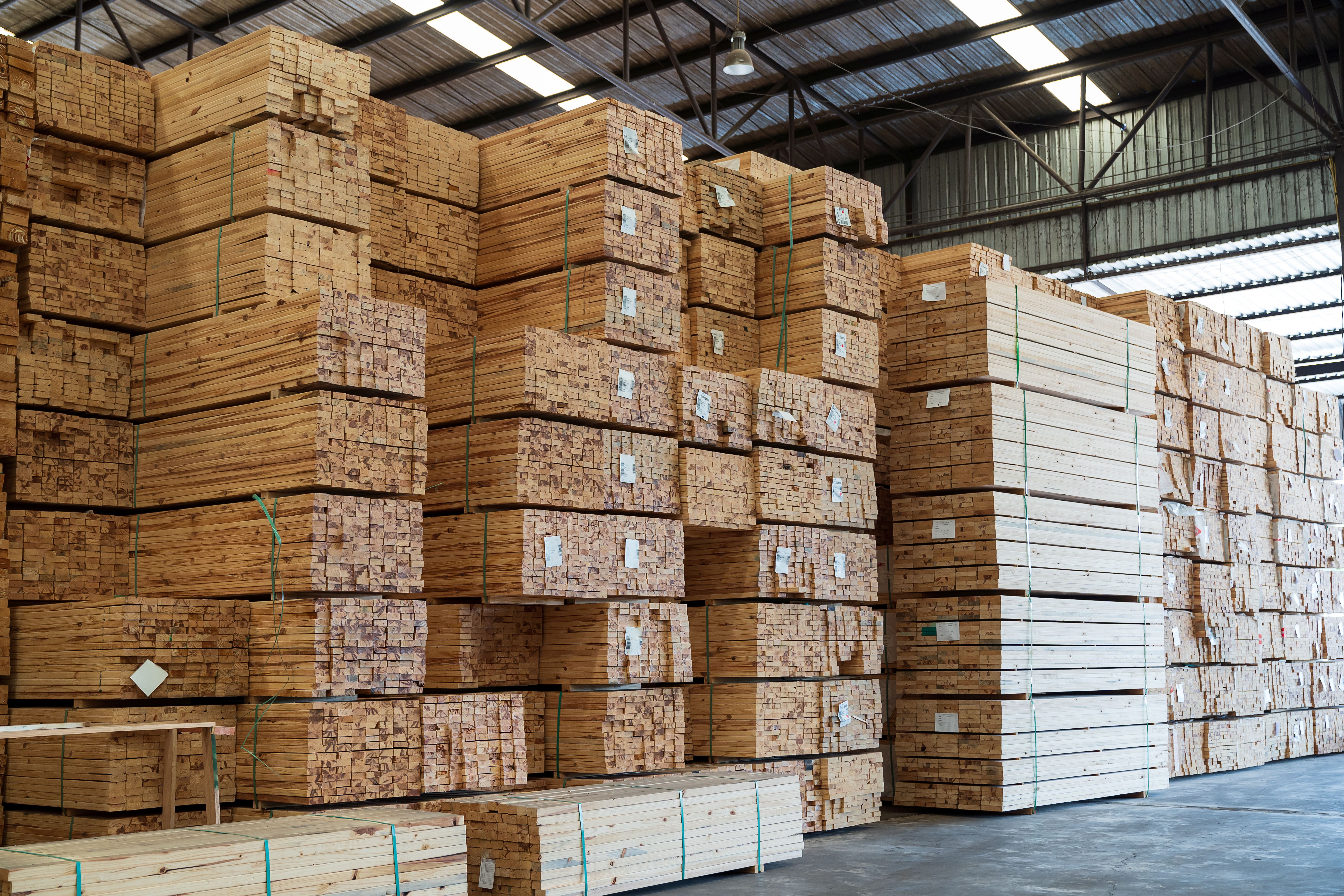
The competitiveness of Canada’s forest products sector depends on a robust transportation system; efficient, reliable, and cost-effective supply chains—from trucks and railways to ports—are vital to moving products to domestic and global markets.
The last five years have exposed the fragility of Canada’s freight transportation networks—bottlenecks, crew shortages, limited investment, climate shocks, and frequent labour disruptions—are increasingly damaging our country’s reputation as a reliable trading partner and investment destination. Strategic federal action is needed to reinforce this backbone of the industry.
Dozens of major work stoppages at railways and ports have disrupted Canada’s supply chains in 14 of the past 15 years. Shippers are increasingly powerless to challenge rail service reliability and increasing rates due to a lack of market competition and insufficient oversight.
Key ocean ports in B.C.’s Lower Mainland and Montreal are among the world’s worst-performing, according to the World Bank. The underperformance of our trade-enabling infrastructure erodes Canada’s competitiveness and hands other nations an advantage.
By strengthening competition and accountability among carriers and growing investment in trade corridors, Canada can markedly improve supply chain performance for all economic sectors.
Improving competitiveness through smarter regulation
In Canada, over 90 percent of forestry takes place on lands managed by the provinces. Forest management planning at the provincial level involves rigorous consideration of ecosystem values, Indigenous and non-Indigenous community-based consultations, and balancing local needs with economic, social, and environmental benefits.
In recent years, the federal government has overlapped multiple regulations and frequently intervened in provincially approved forest management plans. This has chilled strategic investments and has been a productivity and competitiveness killer, driving more investment south of the border.
The adverse impacts of increased costs, regulatory duplication, and delays on top of market challenges have been immense. From 2013 to 2023, 49 mills closed in Canada and nearly 10,000 jobs were lost—most in smaller northern communities. It didn’t need to be this way.
Canada must do everything it can to strengthen itself. To control the controllable. That starts with committing to an outcomes-based regulatory framework that upholds Canada’s trusted reputation with international customers.
Prime Minister Carney’s cabinet mandate calls for innovative governance to boost productivity, reduce trade barriers, and attract private investment. The federal government can achieve this by recognizing provincial standards that match or exceed federal ones; using a backstop model that rationalizes federal intervention; creating a unified regulatory framework for streamlined reporting; and developing a joint Indigenous consultation process for clearer coordination.
This isn’t about deregulation, but smarter regulation—a new approach that leverages provincial systems, reduces duplication, focuses on outcomes, and will make Canada a destination for more strategic investment in infrastructure and people.
Leveraging forestry as a strategic sector
Securing normalized trade with the United States remains critical to the sector’s success. Moreover, positioning Canadian forestry as a strategic sector is an important signal from the federal government to an industry and workforce that has been an afterthought in recent years. It’s the first step to a clear industrial strategy that will maximize domestic and international market opportunities.
While other forested nations like Brazil, Finland, Sweden, and the United States have been aggressively targeting forest sector investment and improving competitiveness in recent years, Canada has been falling behind.
Despite the challenging headwinds and uncertainty that abound, Canadian forestry sees a path forward to transformation and growth. That path must be anchored in a new partnership with the federal government—one that stabilizes the sector, creates greater certainty and predictability in regulation, and allows us to bring more innovative, sustainably-sourced, Made in Canada wood products to Canada and the world.