How It’s Made: I-Joists
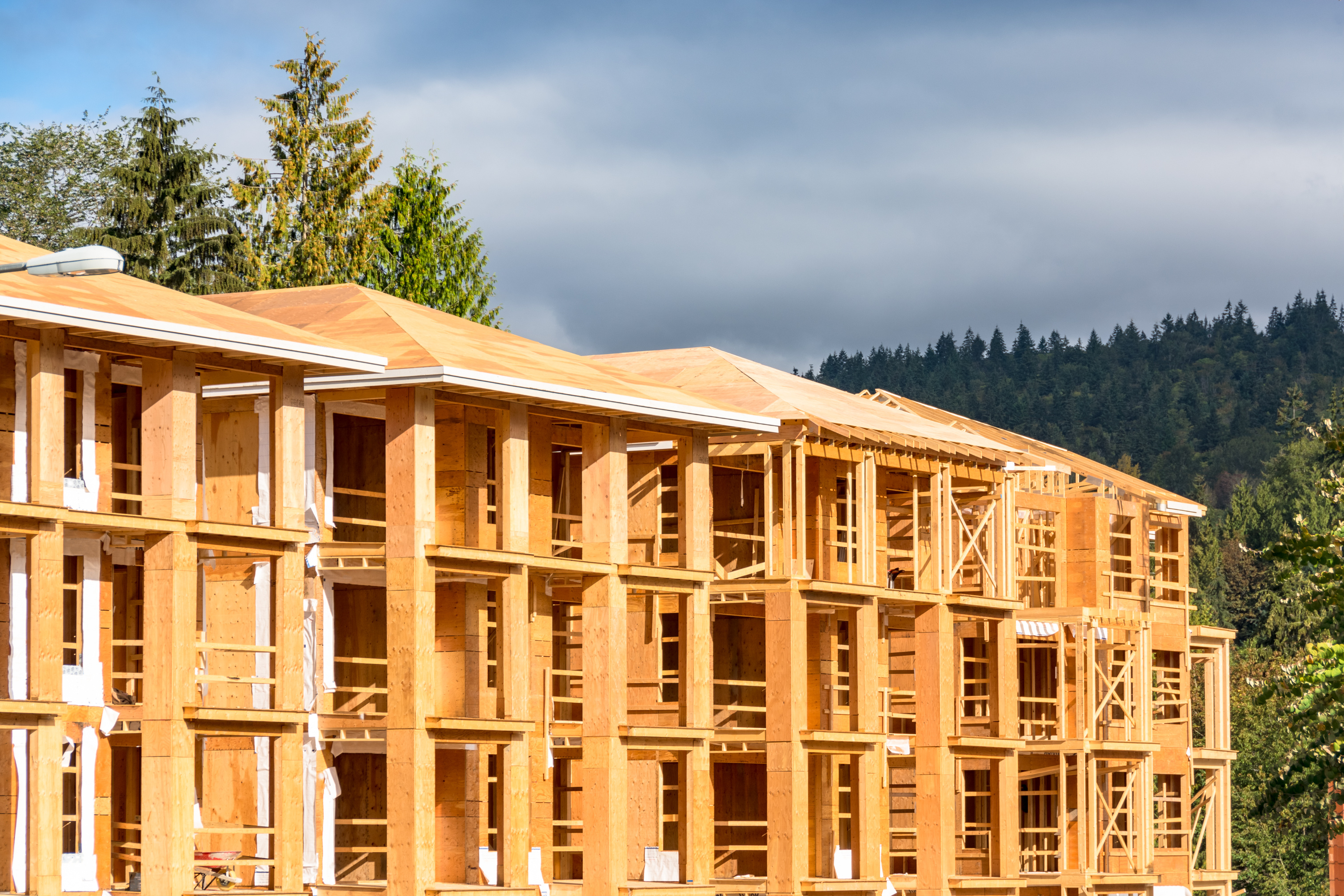
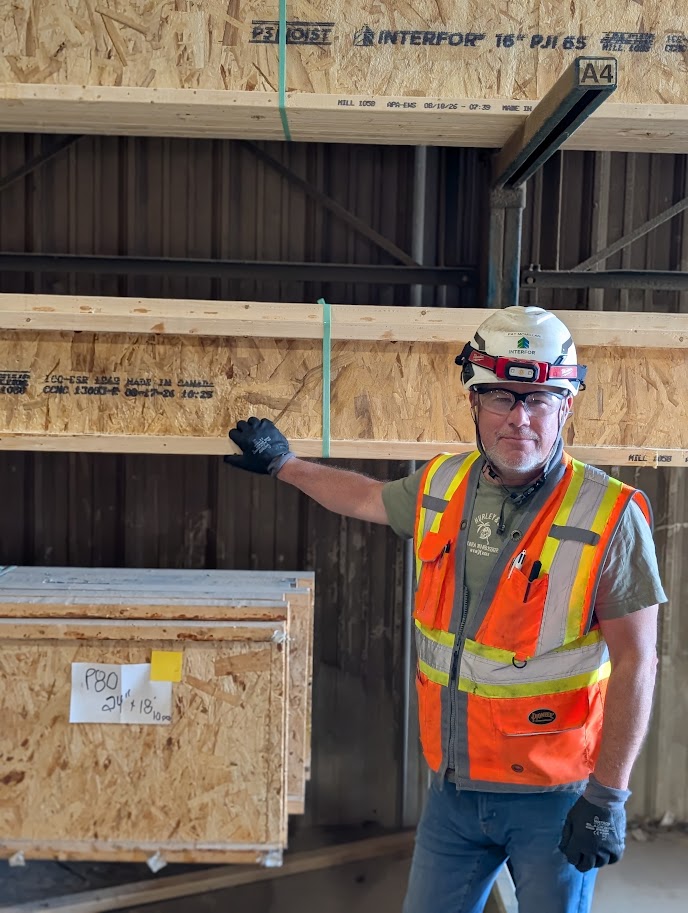
Most people walk through life without understanding or appreciating what supports the very floors they stand on. At Interfor Sault Ste. Marie Division I-joist facility, lumber materials are transformed into an engineered wood product that provides strength and reliability for residential and commercial construction. Witnessing this process firsthand has shown me how advanced manufacturing and quality control come together to create a product that is used in buildings across North America.
The process starts in the conditioning room where approximately a week’s worth of lumber, including a mix of 2x3 and 2x4 boards, are stored in a climate-controlled room, bringing them to the required temperature. Proper conditioning helps create consistency throughout the manufacturing process and contributes to the quality of the finished product.
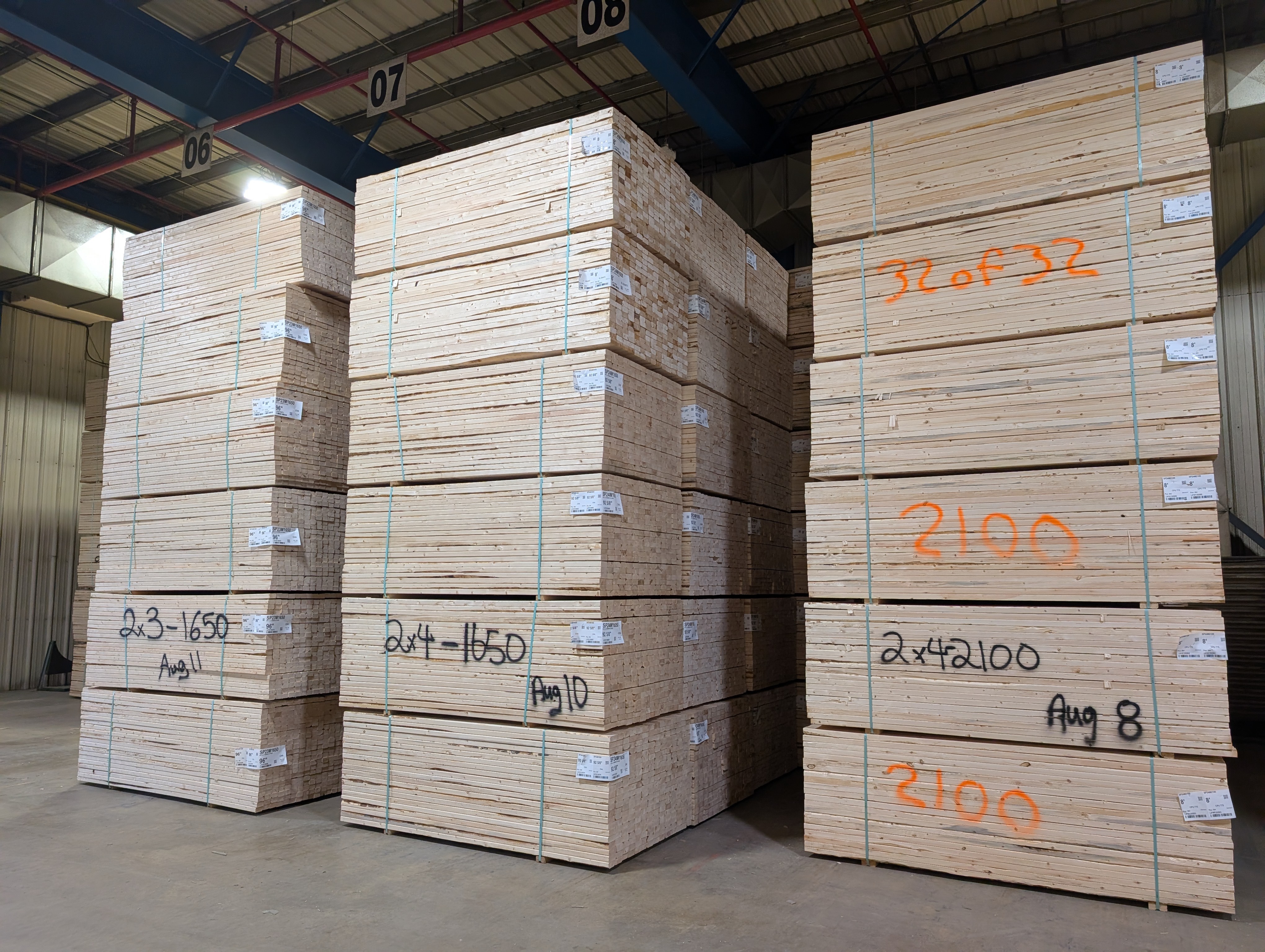
After the boards are loaded into the line by the unstacker, it is transported to the grader, where it is evaluated to ensure it meets specifications before continuing through the production line. This early quality check is important because it helps ensure only suitable material is used in the final product.
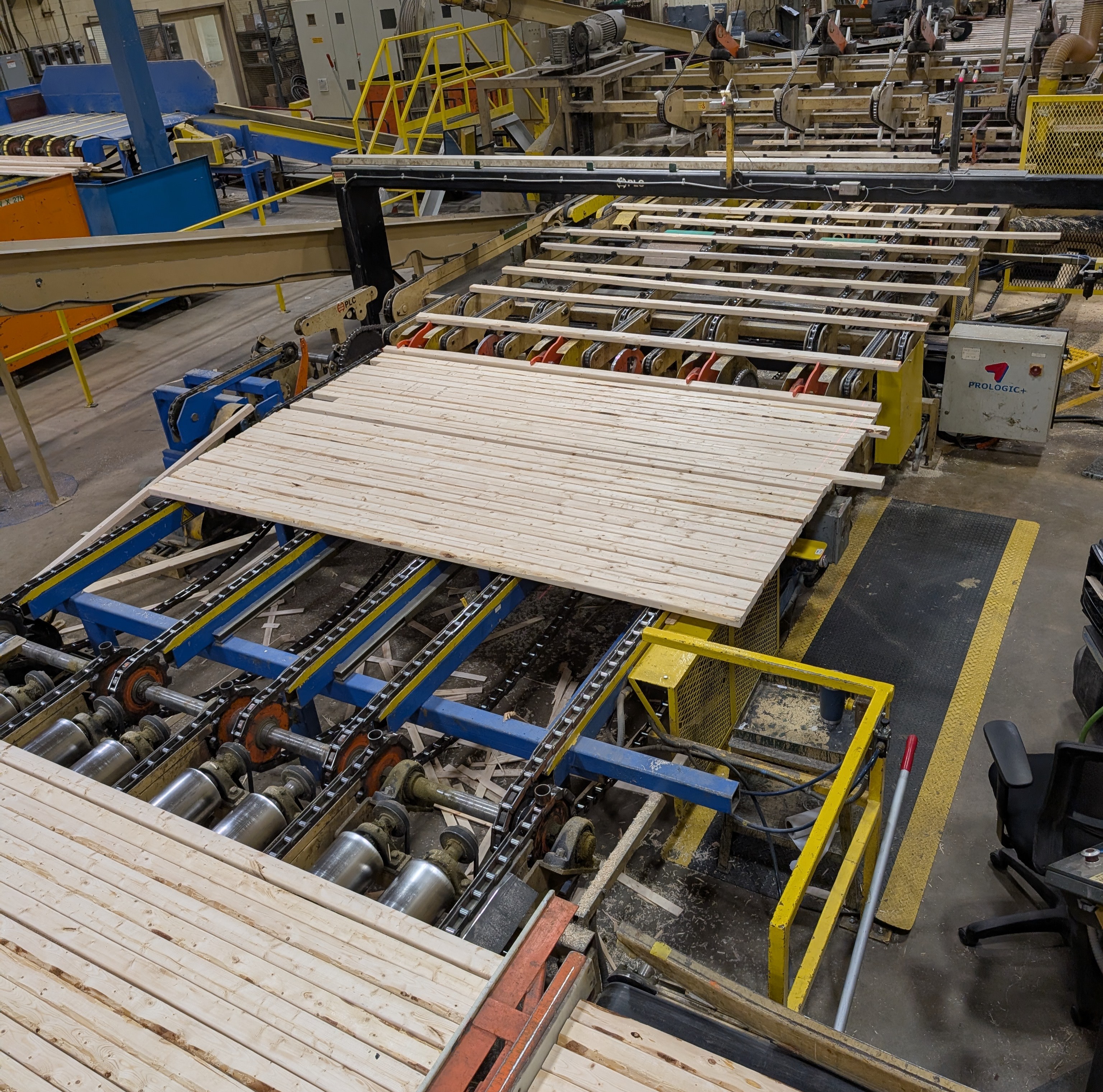
Once graded and trimmed, the lumber enters the profiler. Here, precise finger joints are cut into the lumber and an adhesive is applied. Accuracy at this stage is critical, as the flange boards need a proper fit to form strong bonds. The flange boards are pushed together in our crowder lines and cut into flanges up to 64 feet in length.
The flanges then enter the first curing chamber. Here, the flanges are held at an elevated temperature to speed up the adhesive curing time. Once they leave the curing chamber, the bonds are challenged by our tension testers, which apply a force up to 2,695 psi. These tests help verify that components meet strength and quality requirements before they are assembled into the final product.
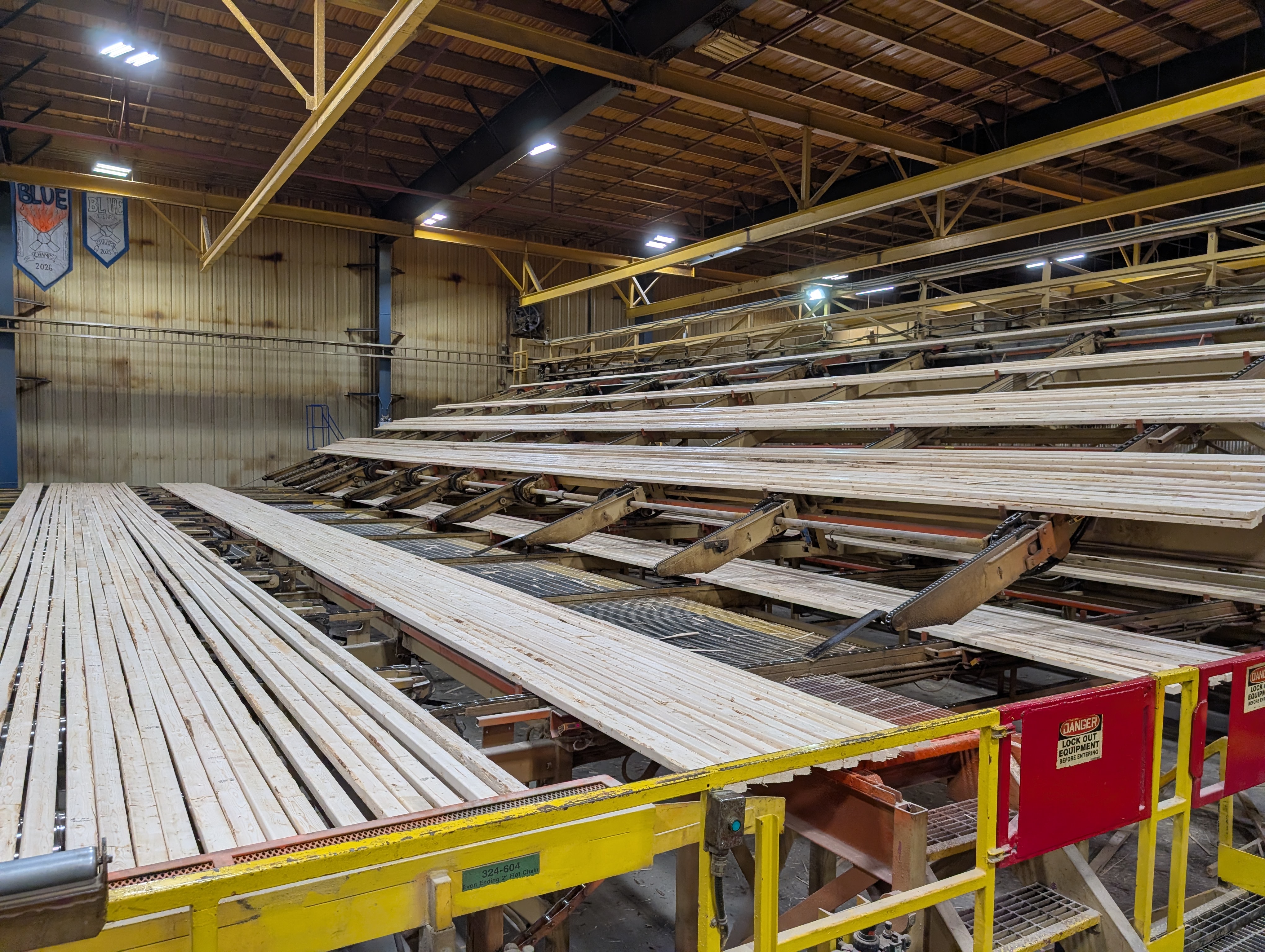
In a separate area of the facility, we have the OSB station. Full-sized sheets of OSB are loaded into the line with a forklift. The sheets are cut into strips of web stock, and a taper is added to the long edges. A tongue and groove joint is cut into the short edges of the strip before an adhesive is applied, and the strip is stacked.
Next comes the most important part of the entire process, the beam assembly machine. This is where the components come together to create the familiar I-joist shape. A routed groove is cut into the flanges and an adhesive is added. The flange beams are then pressed together with the web stock to form an I-joist. Observing the complex automation and understanding the high levels of precision needed to manufacture such a product will always be fascinating.

After assembly, the I-joists move into Curing Chamber #2, where the next stage of adhesive curing takes place. This step helps ensure the finished product achieves the strength and durability required for its intended application. Once curing is complete, the beams move to the nester, where they are cut to finished length, organized into bundles, and transferred to the final stage, the strapper. Here, finished bundles are strapped, wrapped, and tagged for shipment.
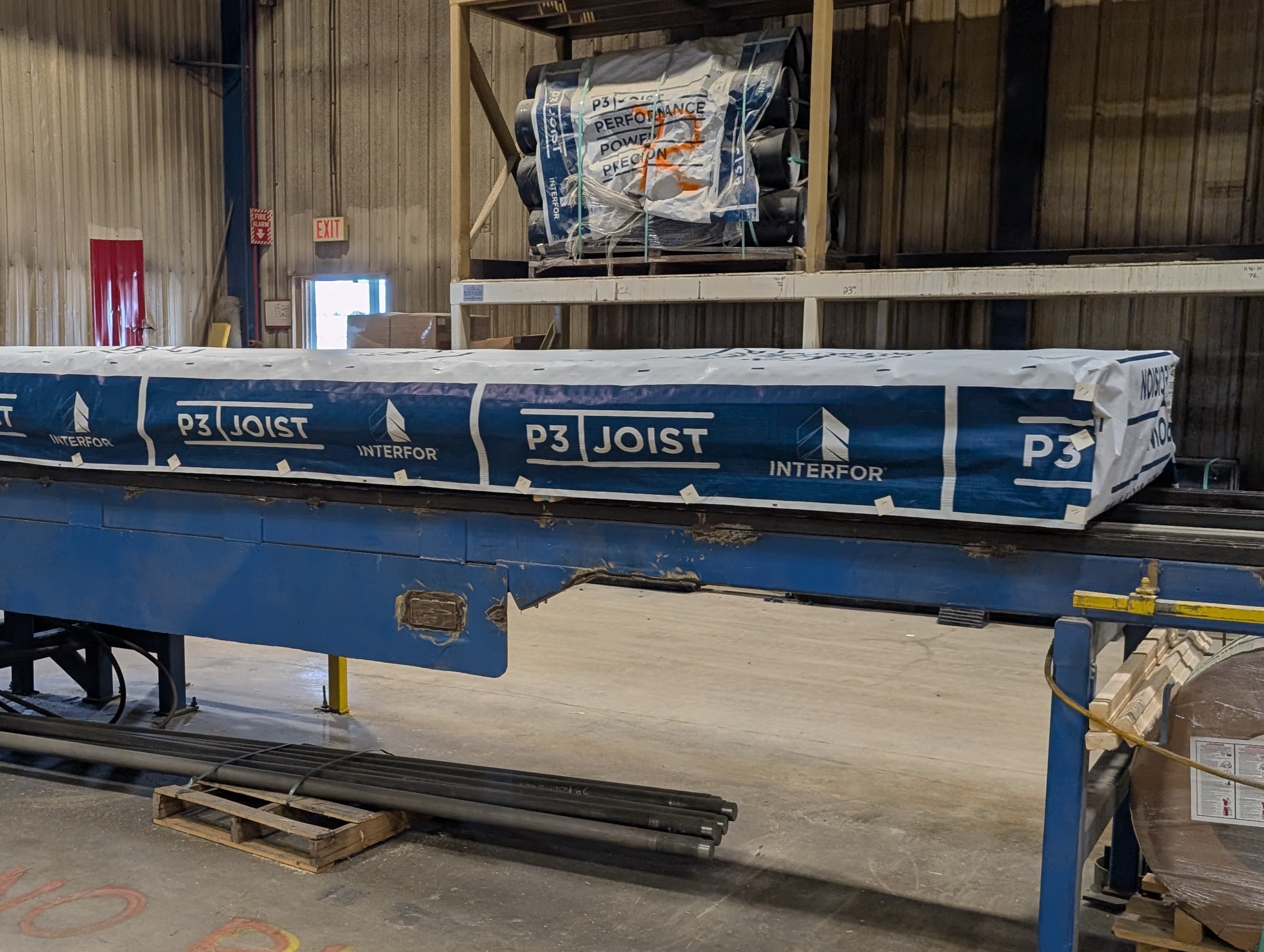
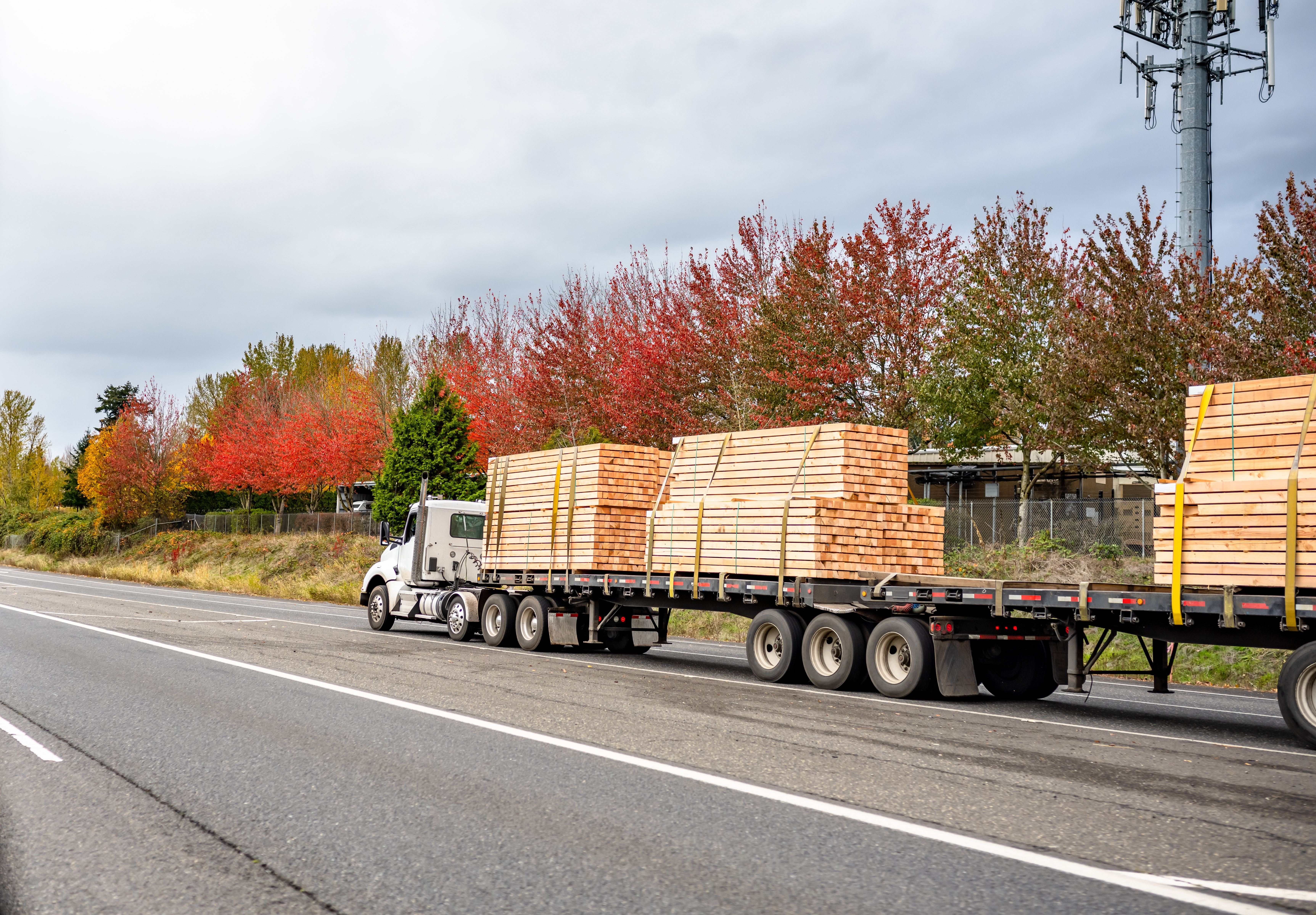
What stands out most about the process is the combination of technology, quality assurance, and skilled employees working together to create the final product. Every machine and process step plays an important role in ensuring that each beam meets the high standards set by our customers. From the conditioning room to the finished wrapped bundles, every step contributes to producing I-joists that help build the homes, schools, and workplaces that people rely on every day.